Aviation Drives Growth: DXB's Role in Dubai's $26.7B Economy
"A desert outpost that once relied on the whims of the tide transformed itself into the heartbeat of global transit through sheer strategic foresight."
Dubai did not become a global titan by accident; it was the result of a calculated pivot toward becoming a free port that invited the world to its shores.
By building world-class infrastructure that bridged East and West, the emirate transitioned from a local trading post to a diversified economic powerhouse.
Key Takeaways * The strategic declaration of Free Port status catalyzed rapid modernization and global trade integration. * Massive investment in aviation infrastructure, specifically Dubai International Airport (DXB), created an indispensable global logistics backbone.
* Successful economic diversification has moved the emirate beyond traditional trade into luxury tourism, finance, and high-end services.
How Did Dubai Establish Its Foundation as a Trade Gateway?
The sun beat down on the wooden dhows docked in the Creek, where the scent of cardamom and frankincense hung heavy in the humid air.
Merchants once bartered for pearls and textiles in the narrow alleys of the Deira Souk, knowing their livelihood depended entirely on the seasonal winds and maritime routes.
For decades, the economic life of the region centered on these traditional maritime trades. However, the true metamorphosis began when the leadership recognized that local trade alone could not sustain a growing population.
The decision to establish Free Port status was the catalyst that changed everything, inviting international businesses to operate with minimal friction. This move turned a regional port into a global nexus, attracting the capital and talent necessary to build a modern metropolis.
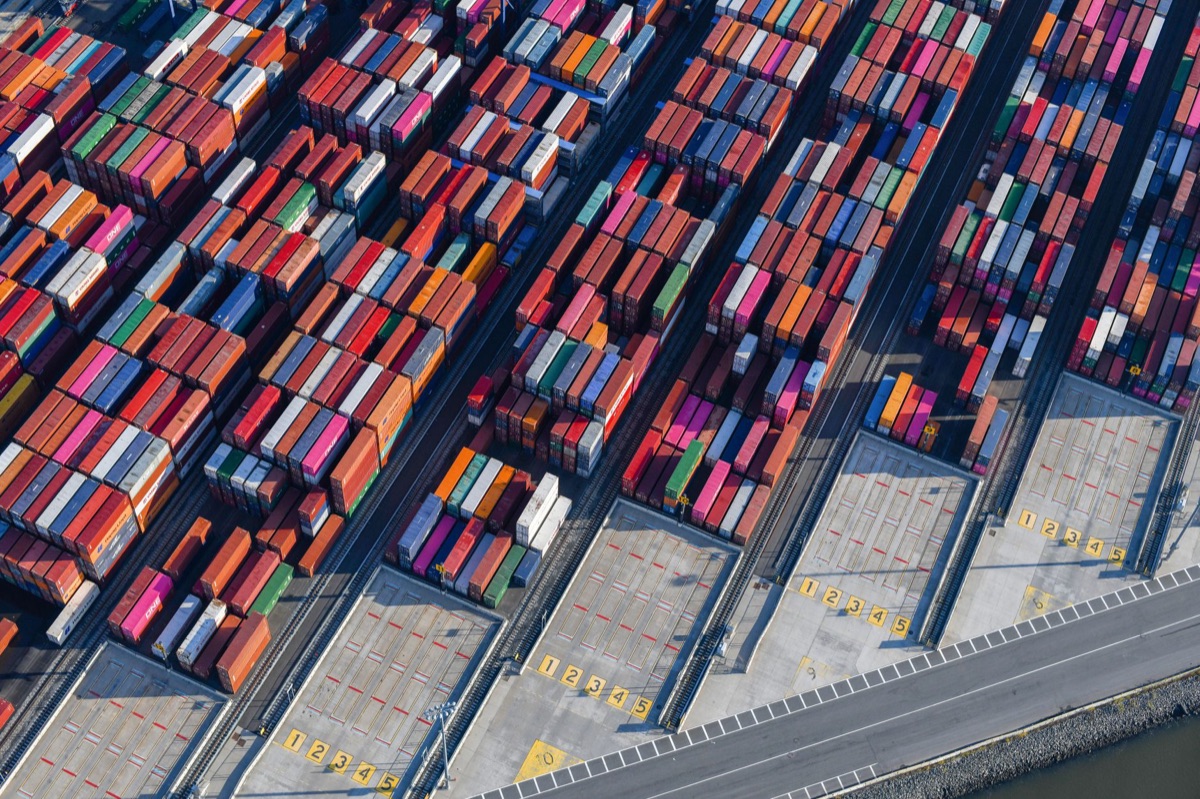
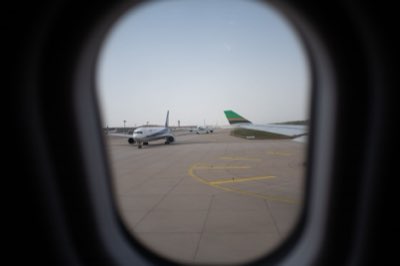
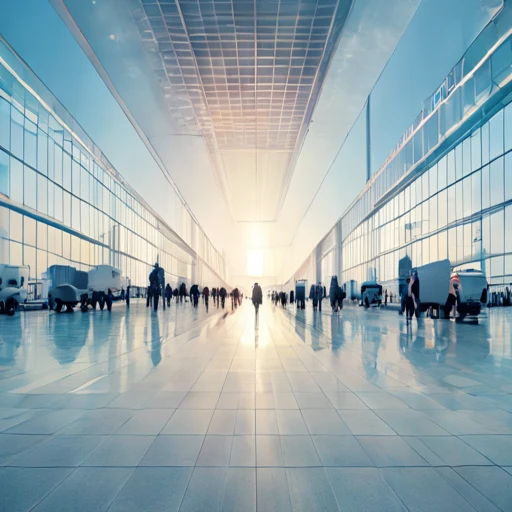
This vision of connectivity is most visible today at Dubai International Airport (DXB). The facility serves as the modern manifestation of the old maritime gates, handling the massive flow of people and goods that once moved via the Creek. The scale of this operation is staggering.
The Emirates hub is the largest airline hub in the Middle East; Emirates handles 51% of all passenger traffic and accounts for approximately 42% of all aircraft movements at the airport.
This massive throughput is supported by sophisticated infrastructure, including parallel runways designed to handle the world's largest wide-body aircraft, ensuring that the gateway remains open 24/7.
As the scale of these operations grew, so did the economic impact on the city itself.
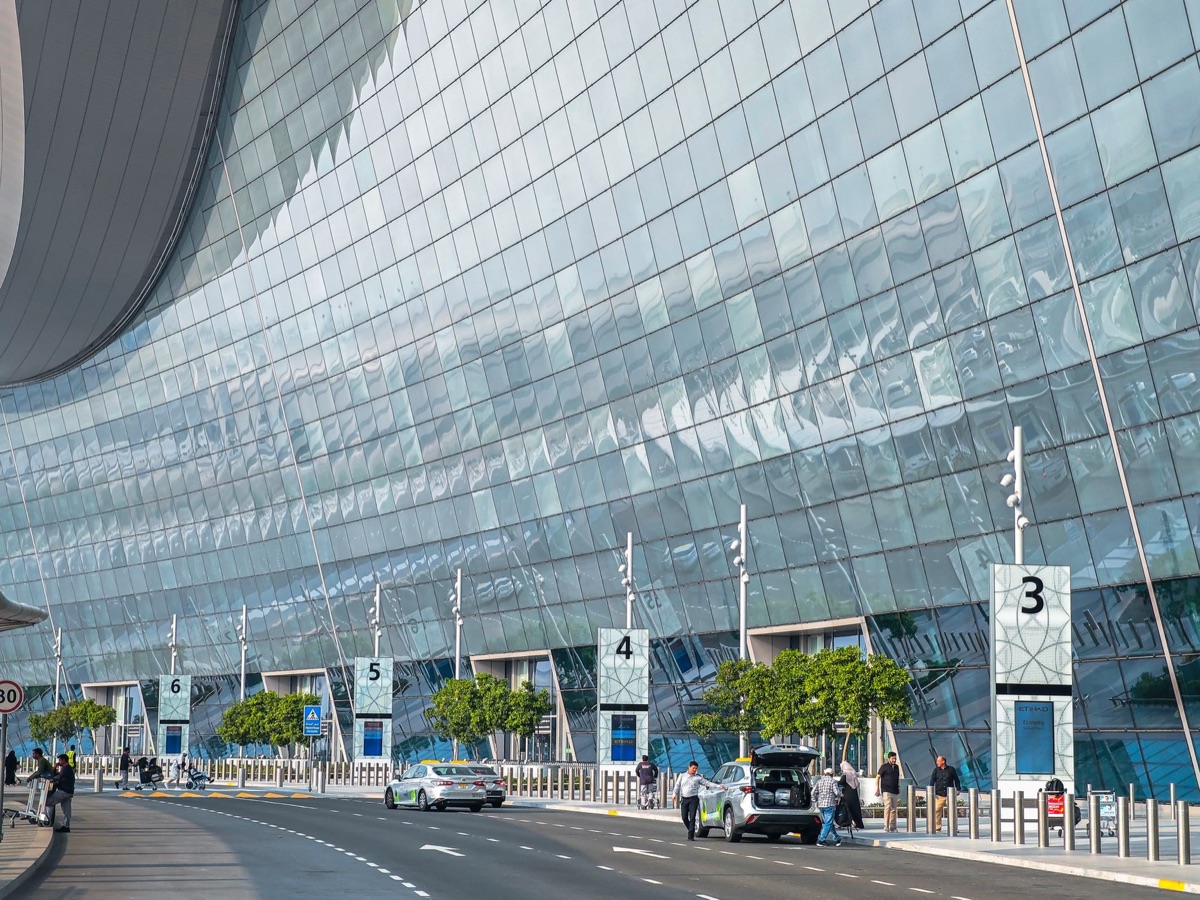
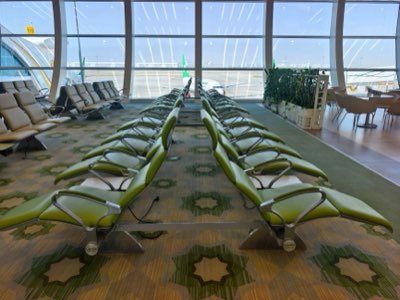
How big is Dubai's economy driving modern growth? A businessman sits in a quiet terminal lounge, checking his watch as a massive jet taxis toward the gate, the hum of engines vibrating through the floor. He is one of millions of travelers who pass through this transit point, fueling an economic engine that never sleeps.
The economic weight of the aviation sector is a cornerstone of Dubai's stability. The airport is not merely a transit point; it is a massive employment and revenue generator.
In 2014, the airport indirectly supported over 400,000 jobs and contributed over US$26.7 billion to Dubai's economy, representing around 27% of Dubai's GDP and 21% of employment in the city.
This level of integration means that the success of the aviation sector is inextricably linked to the prosperity of the entire emirate.
Beyond the flagship carrier, the diversity of the aviation ecosystem adds further resilience. The airport is also the base for low-cost carrier Flydubai, which handles 13% of passenger traffic and 25% of aircraft movements at DXB.
This dual-layered approach—catering to both luxury long-haul travelers and budget-conscious regional flyers—ensures that Dubai remains accessible to every segment of the global market.
This constant motion of people and capital provides the liquidity and momentum required for the city's massive modernization projects.
With the foundation of trade and transport firmly set, the city began to look toward the next frontier: the visitor economy.
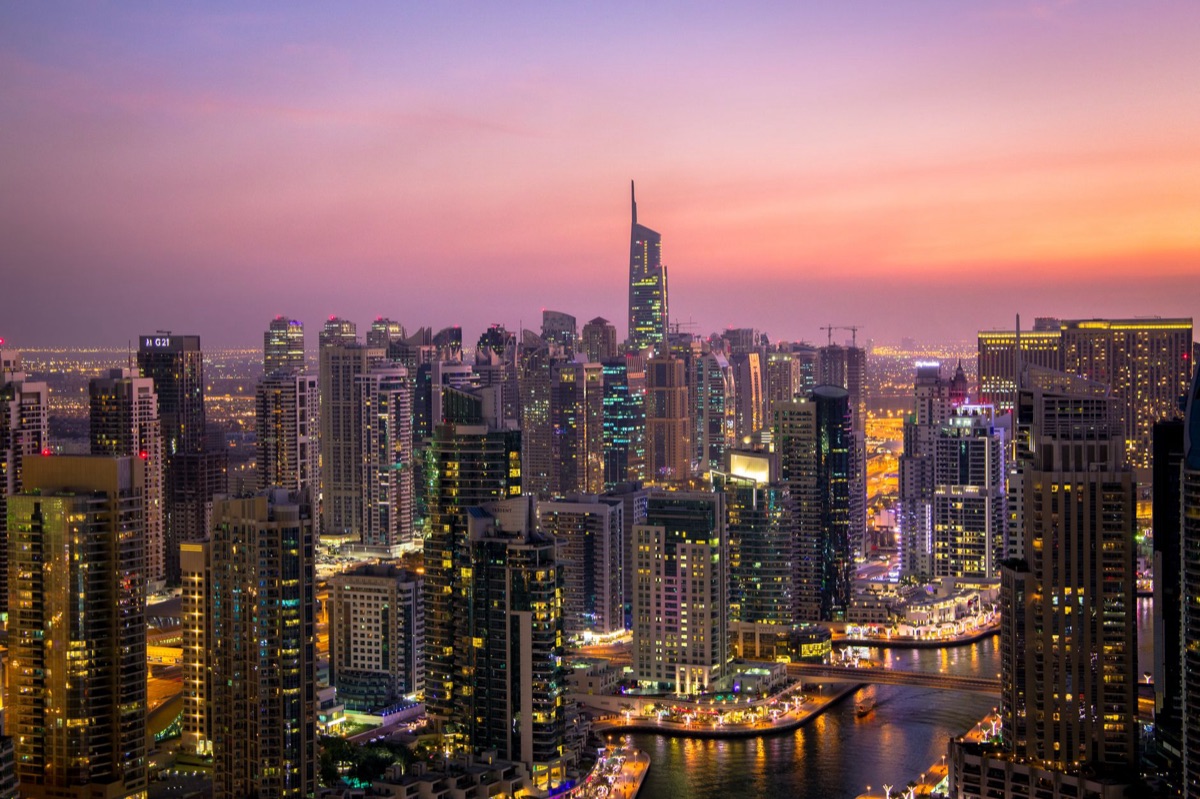
How is Dubai moving beyond trade to become a lifestyle hub? A traveler steps out of a climate-controlled terminal into the dazzling lights of the Downtown district, where the Burj Khalifa pierces the night sky.
The transition from the quiet desert nights of the past to this neon-lit skyline represents the successful shift from a trade-based economy to an experiential one.
While trade remains vital, Dubai has masterfully pivoted toward becoming a premier global lifestyle destination. This is seen in the massive success of the "stopover" model, where travelers turn a mere transit into a multi-day exploration. This strategy has yielded incredible results.
According to the Dubai Department of Economy and Tourism (DET), the emirate hosted 19.59 million international overnight visitors in 2025, a 5% increase compared with 2024—the highest annual total ever recorded.
This influx of visitors supports a vast spectrum of commerce. In the Deira district, one can still find the traditional gold and spice souks that honor the city's mercantile roots.
Just a short drive away, the luxury retail environments of the Dubai Mall offer a completely different, high-end commercial experience. This spectrum allows the city to capture value from both the traditional merchant and the luxury shopper.
Furthermore, the rise of the experiential economy—ranging from luxury desert safaris to world-class fine dining—ensures that the city is not just a place people pass through, but a destination they seek out.
As the city continues to grow, understanding how to navigate this complex landscape becomes essential for any visitor.
Navigating the Modern Dubai Ecosystem: A Visitor's Guide to Success
A traveler stands at a metro station entrance, looking at aq digital map that displays a web of interconnected lines stretching across the desert. They must decide whether to take a quick afternoon tour or book a hotel for a full weekend of exploration.
To maximize the value of a visit, one must understand the different ways to engage with the city. Depending on the length of your stay, your strategy will change.
| Stay Type | Best For | Typical Activities |
|---|---|---|
| Short Stopover (5-10 Hours) | Transit passengers | Quick desert safari, Dubai Mall visit, or Burj Khalifa observation. |
| Overnight Stay (1-2 Days) | Weekend explorers | Old Dubai tours, Museum of the Future, and luxury dining. |
| Extended Stay (3+ Days) | Leisure travelers | Abu Dhabi day trips, beach resorts, and deep cultural immersion. |
For those looking to live like a local or work while traveling, understanding the geographic specialization of the city is key.
- Downtown Dubai: The heart of luxury and sightseeing, home to the Burj Khalifa and Dubai Mall.
- Dubai Marina: Ideal for those seeking a modern, waterfront lifestyle with high-end residential towers.
- Deira & Bur Dubai: The historic soul of the city, perfect for budget-conscious travelers and those seeking authentic souk experiences.
- Palm Jumeirah: The ultimate destination for luxury resorts and beach-front living.
When planning your journey, remember that the city's diversity is its strength. Whether you are navigating the high-speed transit of the metro or the winding streets of an old souk, the infrastructure is designed to facilitate your movement.
Comments 0