A380s & B777s: Dubai Drives Global Aviation Efficiency
"The horizon is not a boundary, but a gateway where the world's largest wings meet the desert sands."
Dubai International Airport functions as the central nervous system of global aviation, moving massive volumes of people between continents with surgical precision. It is not merely an airport; it is a massive, high-speed engine designed to facilitate the movement of the planet.
* Massive Throughput: The facility is engineered to manage unprecedented volumes of international transit through specialized gate and terminal design. * Heavy-Lift Excellence: Operational success is defined by the seamless turnaround of ultra-large wide-body aircraft like the Airbus A380 and Boeing 777. * Economic Engine: The airport serves as the primary gateway for a tourism sector that has reached record-breaking heights in recent years.
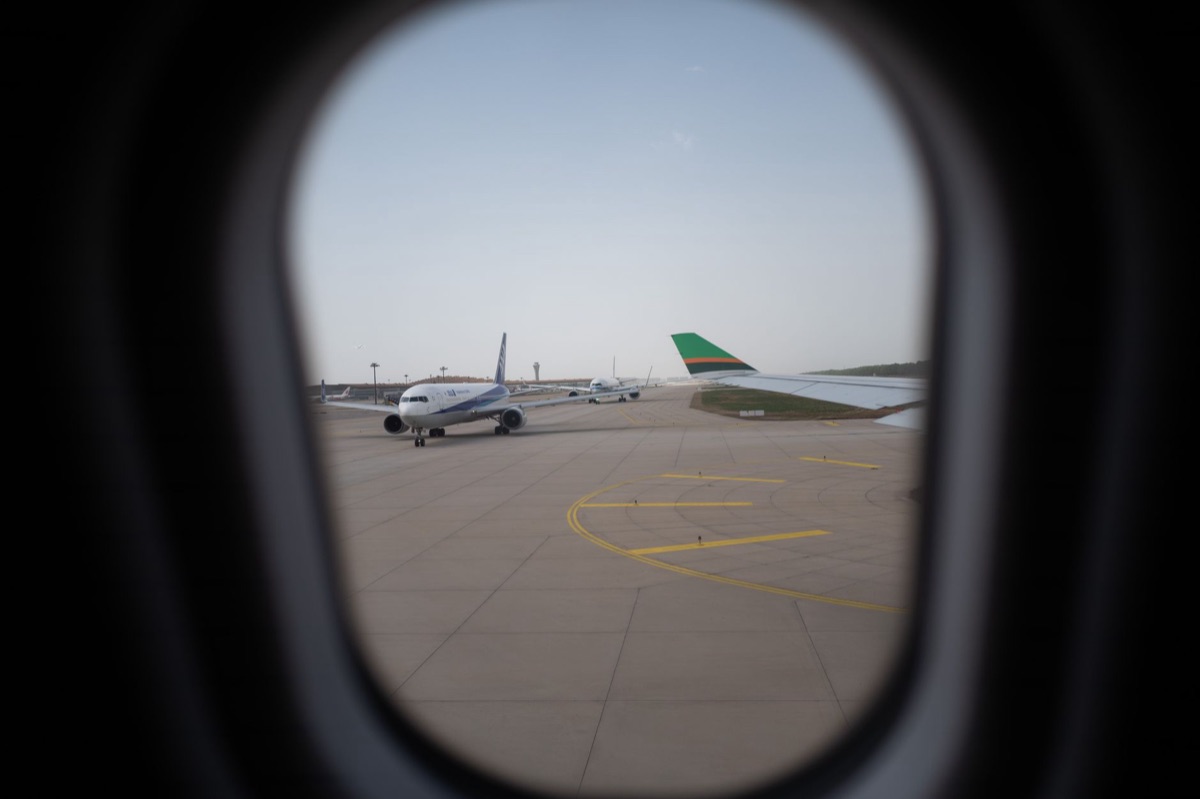
How Does Dubai Airport Manage High-Volume International Transit?
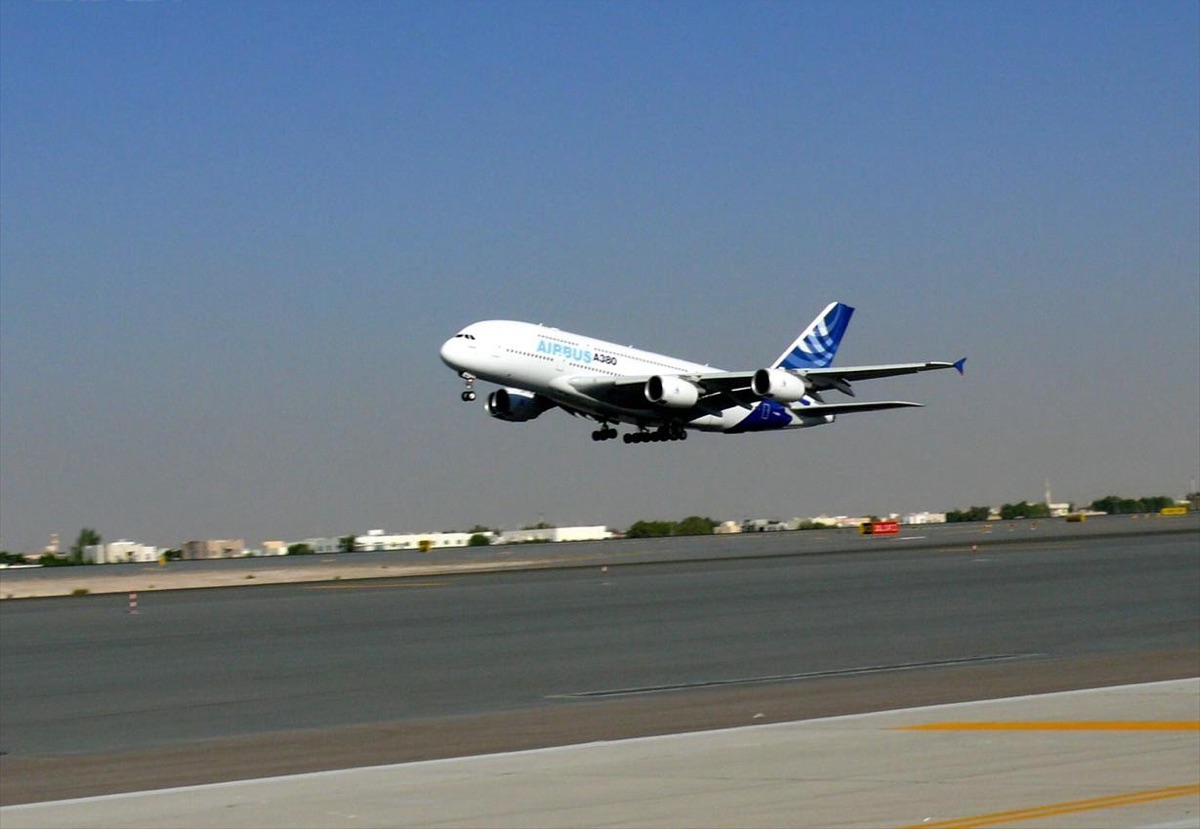
The terminal doors slide open at 2:00 AM, and a sea of travelers from every corner of the globe flows into the hall like a tide. Outside the glass, the massive shadow of an Airbus A380 glides toward a gate, its wingspan dominating the airfield.
Managing this level of movement requires more than just wide runways; it requires a masterclass in logistics.
As a primary global connection point, the airport must synchronize thousands of moving parts, from flight crews to baggage handlers, to ensure that a traveler from London can transition to a flight to Sydney without a second of wasted time.
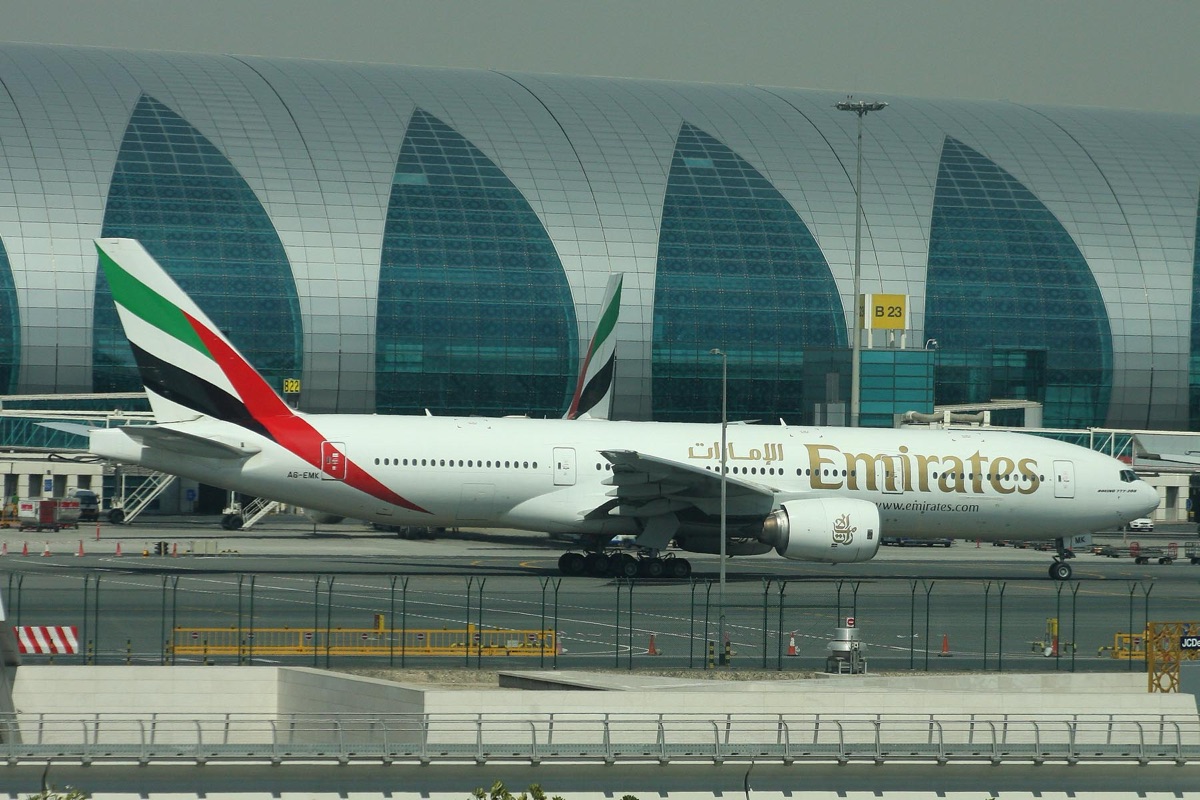
The operational demands are unique because the hub specializes in "heavy" traffic. Unlike regional airports that handle smaller, narrow-body jets, Dubai is built around the massive footprint of the A380 and the Boeing 777.
These aircraft require specialized gate configurations, reinforced taxiways, and massive fuel hydrant systems.
To prevent bottlenecks, the infrastructure relies on highly sophisticated gate management and rapid-response customs processing. The goal is to move passengers through the "pulse" of the airport—from arrival to connection—with minimal friction, despite the sheer scale of the crowds.
But how does this massive influx of people translate into the actual growth of the city itself?
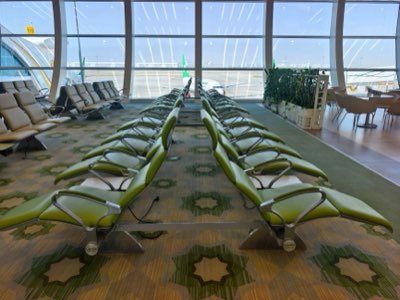
How big is Dubai's global tourism footprint? A traveler sits in a lounge, looking at a digital flight board where hundreds of destinations flicker in rapid succession. The sheer number of names on the screen reflects a world moving through this single point.
The scale of this movement is reflected in the hard data provided by regional authorities.
According to the Dubai Department of Economy and Tourism (DET), the emirate hosted 19.59 million international overnight visitors in 2025, which represented a 5% increase compared to 2024—marking the highest annual total ever recorded.
This growth is part of a long-term upward trajectory. In 2019, the city welcomed 16.73 million international visitors, a 5.09% increase over 2018, proving its status as one of the world's fastest-growing major tourism markets.
Even after global disruptions, the recovery was robust; in 2022, Dubai recorded 14.36 million international overnight visitors, returning to 86% of pre-pandemic levels.
The economic impact of this transit-driven tourism is massive. This spending power fuels the very infrastructure that makes the airport so efficient.
However, moving these millions of people isn't just about wide halls; it's about the machines themselves.
What is the scale of the operational throughput? The ground crew moves in a synchronized dance around a massive jet engine, while fuel trucks and catering loaders swarm the aircraft like busy bees. The scale of the machines makes the human element look almost microscopic.
The technical demands of servicing ultra-large aircraft are the true test of the airport's efficiency. An Airbus A380 carries hundreds of passengers across multiple decks, requiring specialized boarding bridges and massive amounts of ground support equipment.
Similarly, the Boeing 777 requires precise weight and balance management for long-haul efficiency.
The "turnaround" is the most critical metric in aviation. In a high-tempo hub, an aircraft cannot sit idle. Efficiency is measured by how quickly a massive jet can be cleaned, refueled, loaded with new passengers, and pushed back into the sky.
The success of the Dubai transit model relies on this tight scheduling. If the turnaround for a heavy wide-body jet is delayed by even an hour, it creates a ripple effect across the entire global network.
The airport's ability to manage these massive "turnarounds" is what allows it to maintain its status as a global leader. But the airport is much more than just a place where planes land.
Beyond Flights: The Ecosystem of the Dubai Hub
A traveler steps out of the terminal into the cool air of a luxury car, moving toward a skyscraper that seems to touch the clouds. The transition from the airport to the city is as seamless as the transition between gates.
According to World Bank data, the United Arab Emirates recorded a share of internet users of 100.0% in 2024.
The airport is not just a transit point; it is an ecosystem. To support long layovers, the hub has integrated luxury hotels directly into the transit experience. These facilities allow travelers to transition from the cabin to a bed in minutes, maintaining the momentum of their journey.
Beyond sleep, the ecosystem includes massive duty-free shopping zones and premium dining. These services turn a stressful connection into a lifestyle experience.
High-end lounges provide a sanctuary for business travelers, while dedicated transfer services ensure that moving from the airport to the downtown district or the Palm Jumeirah is effortless.
This secondary layer of service is what makes the "stopover" a viable travel strategy. By providing world-class amenities, the airport ensures that passengers aren't just moving through a building, but are engaging with a premium travel environment.
But how should a traveler actually navigate this massive system?
Navigating the Dubai Travel Experience (Visitor Perspective)
A traveler checks their passport and looks at the clock, calculating the time needed to clear security and reach the next gate. The balance between exploration and transit is a delicate equation.
For those using the airport as a gateway, understanding the connection options is vital. Travelers often face different scenarios: a quick 5-hour transit, a 10-hour layover, or an overnight stay.
- The Short Transit (5-10 Hours): Best for those staying within the airport or visiting nearby attractions like the Dubai Mall via taxi.
- The Overnight Stay: Ideal for those booking a hotel in Downtown or the Marina to experience the city's nightlife.
- The Extended Stopover: A 2-day itinerary allows for desert safaris or visits to Abu Dhabi.
When navigating the hub, travelers should be mindful of local context. While the airport is an international zone, moving into the city requires awareness of local customs and visa requirements.
Most travelers find the transit process straightforward, but planning for connection times is essential to account for the sheer size of the terminal.
| Feature | A380 Operations | B777 Operations |
|---|---|---|
| Primary Use | Ultra-High Capacity / Hub-to-Hub | Long-Range / Versatile Cargo & Pax |
| Gate Requirement | Specialized Double-Deck Bridges | Standard Wide-Body Gates |
| Turnaround Focus | Massive Passenger Deplaning | Efficient Cargo & Fuel Loading |
It is important to note that while the airport is designed for maximum efficiency, the sheer scale can be overwhelming. Travelers with tight connections or limited mobility may find the walking distances between terminals challenging.
It is always wise to account for extra time when moving between distant gates.



Comments 0