92% Expat Community Fuels Dubai's Rise as World Transit Hub
"Dubai is where the ancient arteries of the Creek meet the futuristic arteries of global transit."
Dubai sits at the intersection of history and the horizon, a coastal jewel on the Persian Gulf that transformed from a quiet pearl-diving village into the world's most ambitious transit hub. To understand this city, you must understand how it sits between the water and the desert.
Key Takeaways * Dubai is strategically located on the Persian Gulf, serving as a vital link between East and West. * The Dubai Creek acts as the city's historical soul, while modern developments represent its future-facing ambition.
* The urban structure is designed for massive global connectivity, making it a premier destination for transit travelers. * The city successfully balances deep-rooted Emirati heritage with a hyper-modern, international lifestyle.
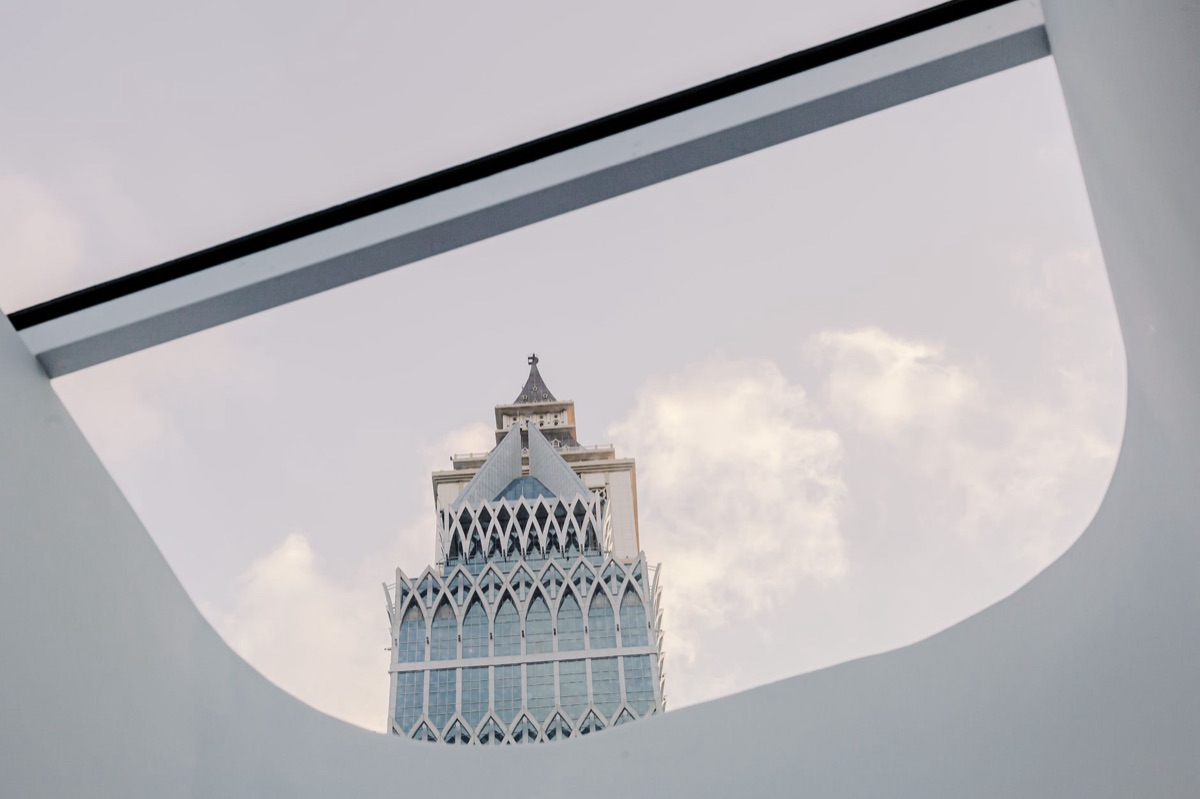
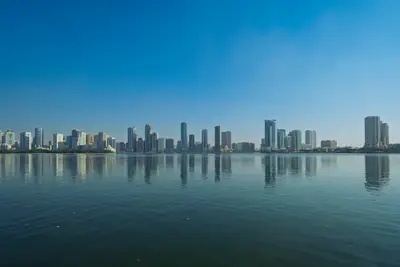
Where exactly is Dubai located? The heat of the afternoon sun hits the pavement in Deira, where the scent of cardamom and sea salt hangs heavy in the air. A traveler stands at the edge of the water, looking toward a horizon where massive cargo ships meet the shimmering skyline of the future.
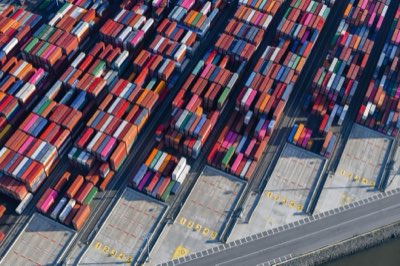
Dubai is located on the coast of the Persian Gulf, a position that has made it a centerpiece of maritime trade for centuries. This geographic placement is not just about sand and sea; it is about being the perfect midpoint between Europe, Asia, and Africa.
This strategic advantage has turned a desert coastline into a massive engine of global movement. The scale of this movement is staggering.
According to the Dubai Department of Economy and Tourism (DET), the emirate hosted 19.59 million international overnight visitors in 2025, which represented a 5% increase compared to 2024—the highest annual total ever recorded.
This massive influx of people is a direct result of its location as a global crossroads. The population itself reflects this transit-heavy identity. The demographic is heavily shaped by an expatriate community, which makes up approximately 92% of the population as of 2025.
This melting pot of cultures ensures that the city functions as a global village, where almost every language and tradition can be found in a single neighborhood. The transition from a local port to a global powerhouse happened with incredible speed.
While the desert provided the space, the sea provided the opportunity.
But how did this massive desert metropolis maintain its soul while growing so fast?
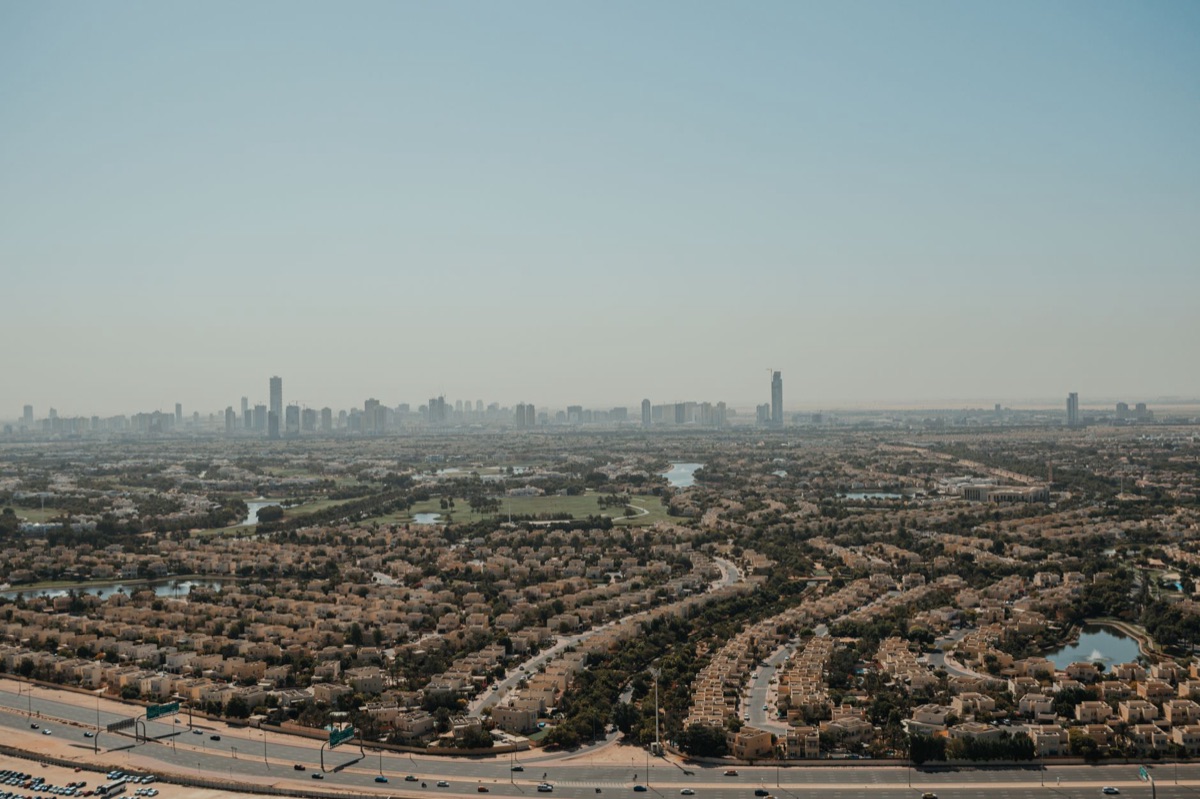
What is the history of the Dubai Creek ecosystem? As dusk falls over the Al Bastakiya district, the scent of saffron drifts through the narrow alleys as footsteps echo against the ancient stone walls.
Walking across the Al Bastakiya district, the sound of footsteps on narrow alleys muffles the distant roar of traffic. A gentle breeze carries the aroma of saffron from a nearby spice stall, reminding you that this was once a much smaller world.
The Dubai Creek is the natural inlet that divides the city into two main sections: Deira and Bur Dubai. Historically, this waterway was the lifeblood of the settlement. It was the original trading artery where dhows—traditional wooden sailing vessels—would dock to trade pearls, textiles, and spices.
Today, the Creek serves as a living museum. While the rest of the city reaches for the clouds, the Souks (Gold and Spice markets) located around the Creek preserve the city's mercantile roots.
These markets are not mere tourist attractions; they are active centers of trade that maintain the connection to the Bedouin heritage and the maritime history of the region.
The modern city has grown outward in massive leaps, but it has not abandoned this core. Instead, the urban expansion wraps around the Creek like a modern frame around an ancient painting. This allows the city to maintain its cultural identity while accommodating the massive scale of modern life.
The relationship between the water and the land has always dictated how the city breathes. However, the sheer scale of the modern skyline often threatens to overshadow these historic streets.
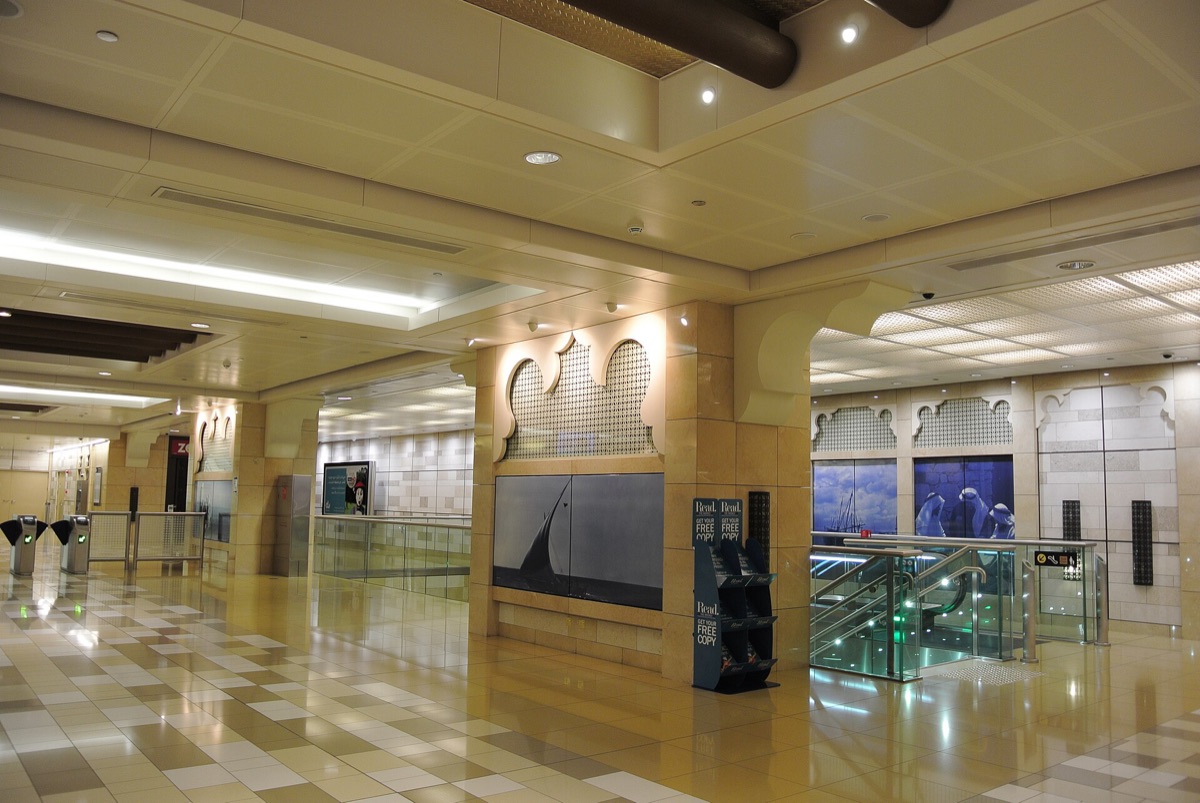
Dubai as a Global Gateway: The Modern Urban Structure
The sight of the Burj Khalifa piercing the clouds is almost overwhelming when viewed from the ground level. The sheer verticality of the skyline makes the city feel like it was built for giants, moving upward rather than just outward.
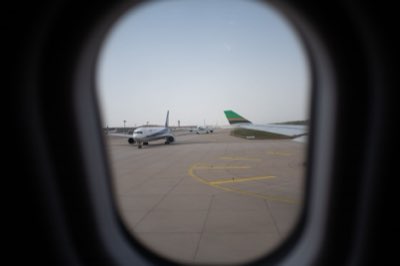
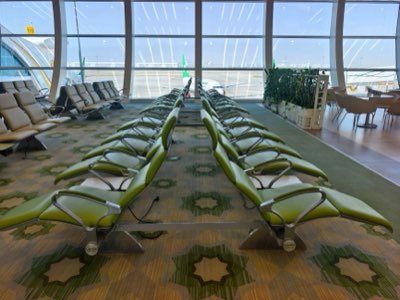
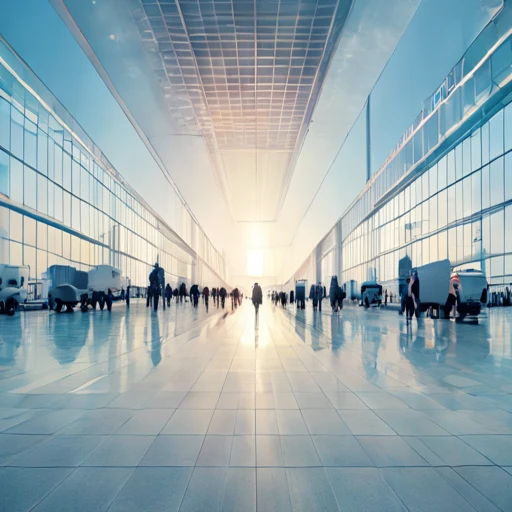
The modern urban structure is defined by connectivity. Dubai functions as a massive transit hub, designed to facilitate the movement of millions. This makes it an ideal location for stopovers and layovers, where travelers can transition from one side of the world to another with ease.
The city's ability to manage massive visitor flows is a testament to its infrastructure. For instance, in 2019, Dubai welcomed 16.73 million international visitors, marking a 5.09% increase over 2018 and solidifying its status as one of the fastest-growing tourism markets in the world.
This level of volume requires a highly organized urban layout that separates heavy transit zones from leisure and residential districts. The economic engine of the city is fueled by this constant motion. Even as it grows, it remains a high-spending destination.
The city's design is a constant tug-of-war between the massive scale of the future and the intimate scale of the past. But what happens when you leave the concrete behind?
Beyond the Coastline: Dubai’s Wider Context
Driving away from the coastal skyline, the landscape shifts into vast stretches of golden dunes. The transition from the humid sea air to the dry warmth of the desert is a constant reminder of the environment that shaped this civilization.
According to the World Bank, the United Arab Emirates recorded share of internet users of 100.0% in 2024.
Dubai does not exist in isolation. It is part of the United Arab Emirates (UAE), and its relationship with Abu Dhabi—the capital—is central to the region's identity. While Dubai focuses heavily on tourism, trade, and transit, Abu Dhabi serves as the political and cultural anchor of the nation.
For many travelers, Dubai serves as the perfect base for exploring the wider region. The ease of travel makes it possible to visit the Grand Mosque in Abu Dhabi or the Louvre Abu Dhabi as a day trip, moving between the two hubs via modern highways.
This regional connectivity is part of a broader vision for sustainable growth and economic diversification across the Emirates. The balance between rapid development and cultural continuity remains the city's greatest challenge and its most defining feature.
| Feature | The Creek (Old Dubai) | Downtown (Modern Dubai) |
|---|---|---|
| Primary Vibe | Traditional, bustling, historical | Futuristic, luxury, high-energy |
| Main Activity | Souks, Abra rides, local markets | Shopping, skyscrapers, fine dining |
| Transport | Traditional boats (Abra), local water taxis | Luxury taxis, Metro, Supercars |
| Cultural Role | Preservation of Bedouin roots | Showcase of global ambition |
It is worth noting that the rapid pace of development means that some historic areas are subject to constant change. While the Creek remains a sanctuary, the sheer speed of construction means the landscape is never truly static.
How to Navigate the Urban Structure
If you are visiting for the first time, follow these steps to experience the transition from old to new:
- Start at the Creek: Begin your journey in Deira or Bur Dubai. Take an Abra (traditional water taxi) across the Creek to feel the original pulse of the city.
- Explore the Souks: Walk through the Gold and Spice Souks to understand the maritime trade history.
- Transition to Downtown: Use the Dubai Metro to move from the historic districts to the modern center.
- Experience the Verticality: Visit the Burj Khalifa or the Dubai Mall to witness the scale of modern engineering.
- Escape to the Desert: Take a desert safari to see the natural landscape that existed long before the concrete.
#
Comments 0