Dubai rapid growth: Guide to vertical architecture's rise
Dubai's rapid growth transformed a quiet coastal settlement into a dense, vertical metropolis within a single generation. This shift was driven by massive infrastructure projects and a strategic move toward global trade and tourism.
* The city experienced an unprecedented building boom starting in the 1990s. * High-density living and vertical architecture define the modern skyline. * Rapid urban expansion shaped the current relationship between the desert and the city.
How did Dubai rapid growth change the skyline?
A crane moves steadily against the desert horizon, lifting steel beams to reach heights never before seen in the region. The skyline reflects a transition from low-rise coastal structures to a dense forest of skyscrapers.
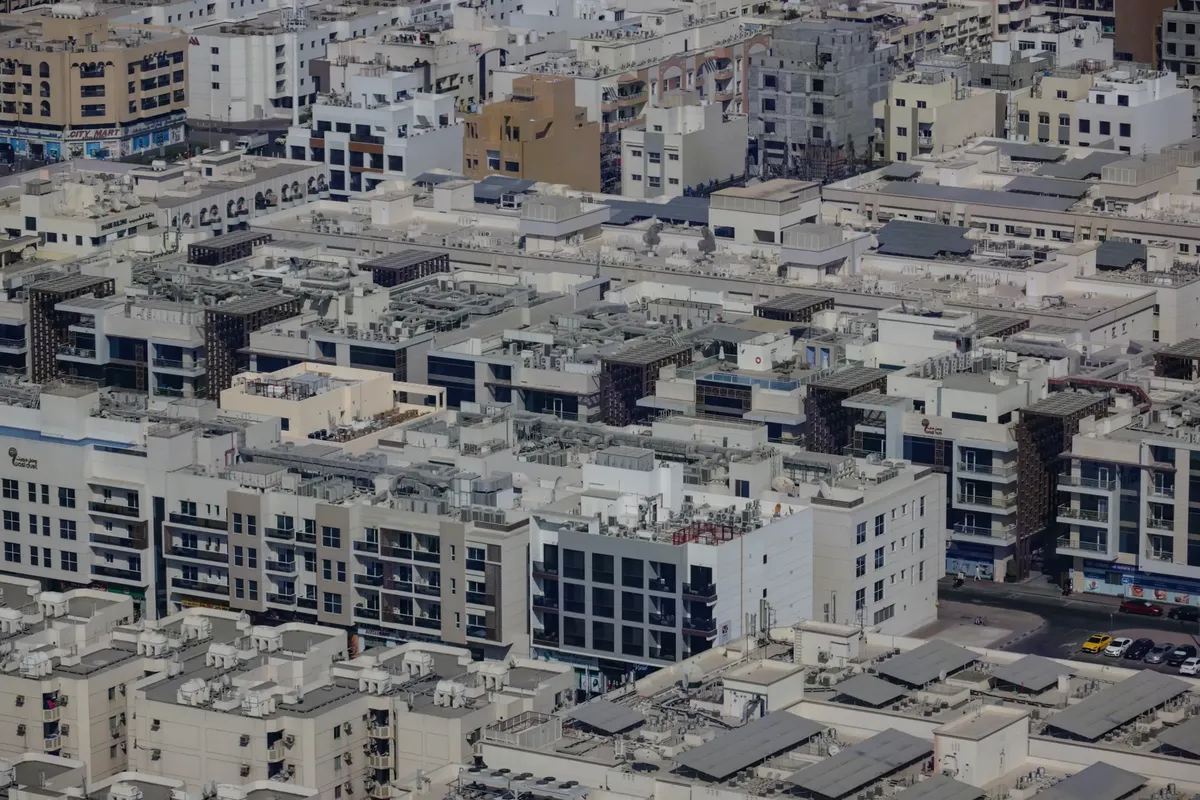
This shift represents a fundamental change in how space is utilized in the desert.
The city underwent a massive transformation starting in the late 20th century. Developers moved from small-scale residential projects to massive, multi-use towers. This era of construction redefined the relationship between the land and the sky.
The scale of the building boom changed the local environment forever. As more people arrived, the need for efficient, high-density housing grew. This led to the development of specialized districts designed to house a global workforce.
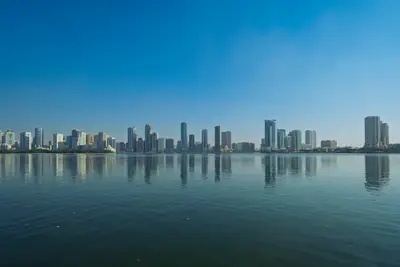
The density of the city is a direct result of this concentrated development. Urban expansion Dubai moved from outward sprawl toward vertical density to maximize limited habitable land. This strategic approach allowed for the creation of massive commercial hubs.
Building projects often focused on iconic landmarks to establish a global presence. These structures serve as anchors for the surrounding urban fabric. The result is a landscape where massive towers stand in close proximity to one another.
The transformation involved three distinct stages: 1. Initial construction of low-rise residential areas. 2. The rise of mid-rise commercial districts. 3. The emergence of iconic supertall skyscrapers.
What really defined the city's building boom? Dust settles on a blueprint laid out on a wooden table in a bright office. This represents the planning phase of a city that grew faster than most expected. The history of the region is written in concrete and glass.
The initial stages of development focused on basic infrastructure and maritime trade. As the economy diversified, the focus shifted toward tourism and international finance. This transition required a complete overhaul of the city's physical footprint.
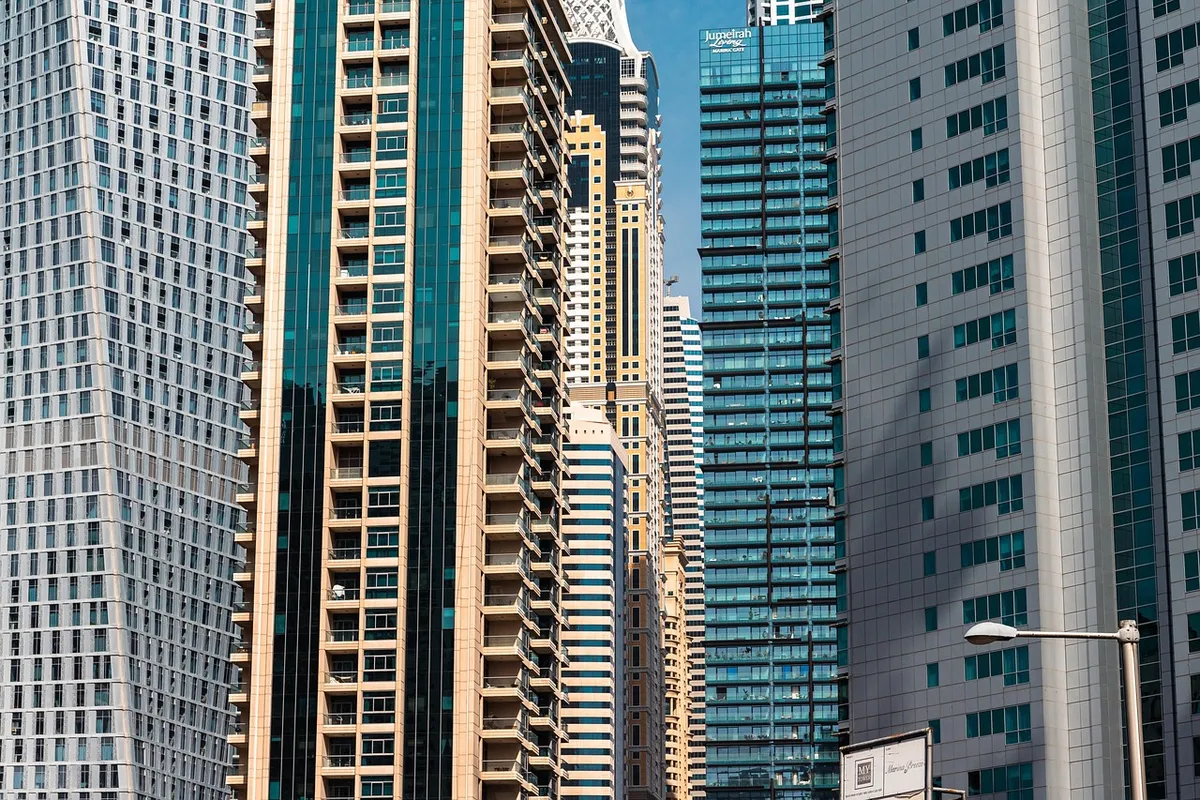
Strategic planning allowed for the rapid implementation of new districts. Large-scale projects like reclaimed islands and massive highway networks were built to support the growing population. These efforts turned the desert into a functional urban environment.
The development history shows a pattern of constant movement and renewal. As one project finished, another began, creating a continuous cycle of growth. This momentum shaped the identity of the city as a modern hub.
The city building boom was not just about height but also about connectivity. Integrated transport systems were developed alongside the buildings to manage the increasing density. This planning ensured that the growing metropolis remained functional.
In this sequence, the second stage is the longest.
According to World Bank, the 2024 record includes 100.0%.
How is Dubai's urban expansion looking right now? A worker stands on a high platform, looking down at the vast expanse of the city below. The view shows a patchwork of glass towers and planned roads stretching toward the horizon. The scale of the urban landscape is immense.
Urban expansion Dubai moved through phases of rapid land reclamation and inland development. The city expanded along the coast before pushing further into the desert. This outward movement was always met with a push for higher density.
The relationship between the built environment and the natural desert remains a key feature. While the city feels detached from its origins, the desert still defines the boundaries of growth. The tension between these two elements drives ongoing design.
Modern urban planning focuses on creating self-sustaining districts. These areas combine residential, commercial, and retail spaces to reduce the need for long commutes. This model helps manage the density inherent in a growing city.
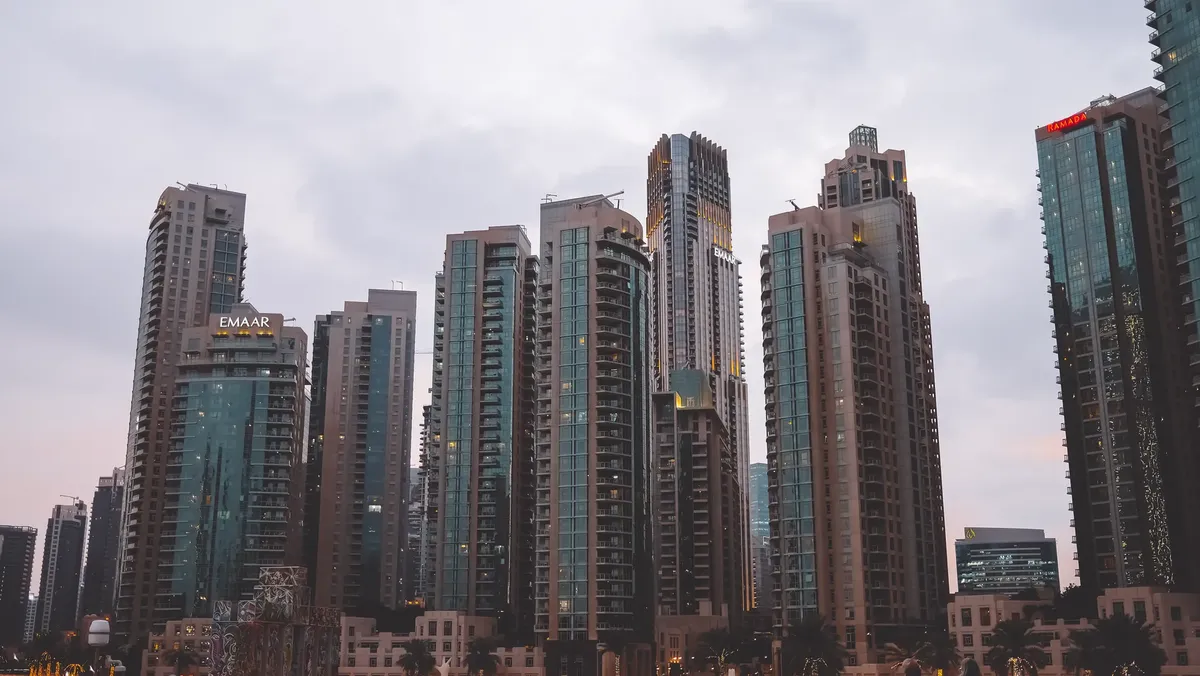
The expansion is characterized by a mix of ultra-modern hubs and established neighborhoods. This variety provides different living experiences within the same metropolitan area. The constant evolution keeps the urban fabric dynamic.
How does the population density trends affect daily life?
The sound of a metro train gliding smoothly on its tracks fills the air. Commuters move through sleek stations, reflecting the efficiency required in a high-density environment. The rhythm of the city is dictated by its density.
As the population grew, the demand for efficient transit became critical. The metro and road networks were designed to move large numbers of people between dense hubs. This connectivity is the backbone of the modern city.
The population density trends show a shift toward highly concentrated living. Many residents live in high-rise apartments that offer views of the sprawling metropolis. This vertical living is a hallmark of the modern urban experience.
Living in such a dense environment requires sophisticated management of resources. Water, electricity, and waste management systems are integrated into the urban design. These systems support the massive number of people living in the city.
I once walked through a newly developed district where the towers seemed to touch the clouds, feeling the sheer scale of the vertical life I was witnessing. This sense of scale is a constant reminder of the city's rapid transformation.
What are the limitations of this rapid development?
A heavy rainstorm hits the glass windows of a high-rise, momentarily obscuring the view of the streets below. The weather serves as a reminder of the environmental challenges faced by a desert city. Rapid growth brings unique pressures.
The primary limitation of this type of development is the reliance on intensive resource management. Maintaining a massive, high-density city in an arid climate requires constant energy and water input. This creates a dependency on advanced technology.
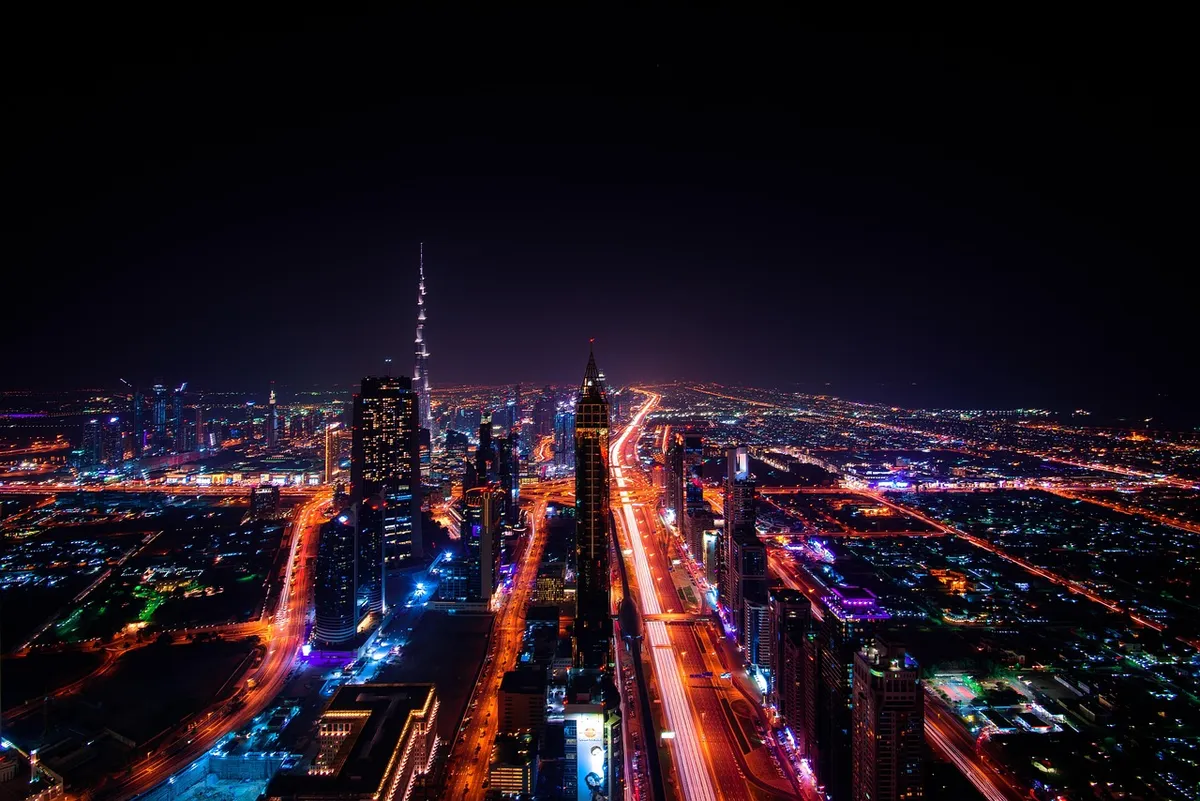
Infrastructure must constantly keep pace with the rate of construction. If the growth outpaces the expansion of services, congestion and resource strain can occur. Planning must be proactive to avoid these bottlenecks.
The heat of the desert remains a significant factor in urban design. Buildings must be engineered to handle extreme temperatures while maintaining indoor comfort. This necessity influences everything from glass coatings to cooling systems.
The rapid expansion of the urban footprint can create challenges for environmental sustainability. Managing the impact of a large-scale built environment on the local ecosystem is an ongoing task. This balance is central to future planning.
World Bank Based on the retained excerpt mentioning World Bank: According to World Bank data, the United Arab Emirates recorded share of internet users of 100.0% in 2024.
Related

Comments 0