19.59 Million Visitors: DXB's Vital Role in Modern Aviation
"The sky is no longer a limit, but a bridge connecting every corner of the globe to a single, shimmering desert oasis."
Dubai International Airport (DXB) is not merely a transit point; it is the beating heart of global aviation, a massive engine of connectivity that makes the world feel significantly smaller.
For travelers, it represents the gateway to a lifestyle where futuristic ambition meets deep-rooted tradition.
Key Takeaways * Unrivaled Scale: DXB serves as a primary global nexus, facilitating massive international visitor growth. * Economic Powerhouse: Dubai consistently leads global charts in international visitor spending.
* Seamless Ecosystem: The airport acts as a springboard for high-end tourism, from desert safaris to luxury shopping.
How Does DXB Rank Globally in Air Traffic Volume?
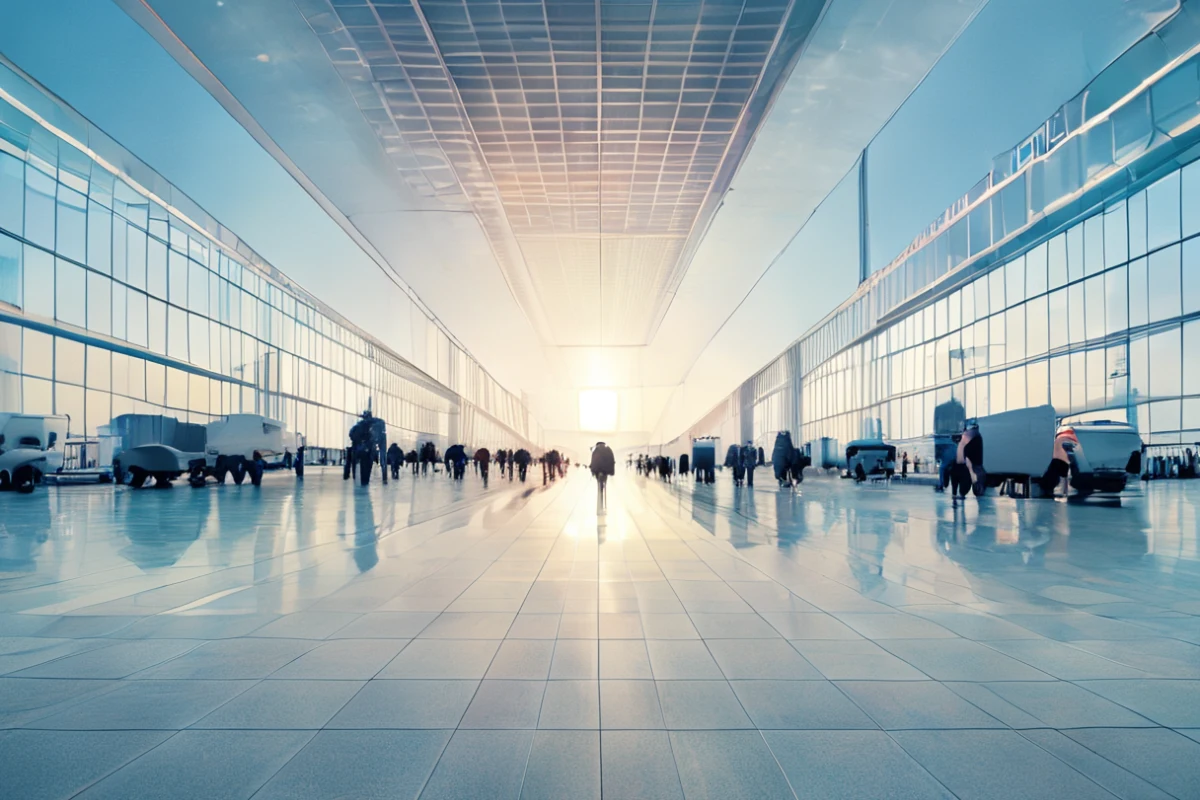
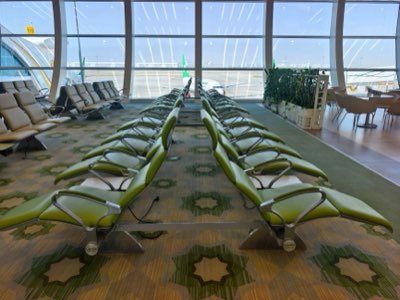
At midnight, a traveler stands in the terminal as a cool breeze from the air conditioning meets the restless hum of a thousand moving feet.
The terminal doors slide open, and a wave of travelers from every continent flows into the hall, a constant stream of motion that never truly sleeps. According to World Bank data, the United Arab Emirates recorded a share of internet users of 100.0% in 2024.
You stand in the center of the terminal, looking up at the digital flight boards, realizing that every flickering light represents a connection to a different part of the world.
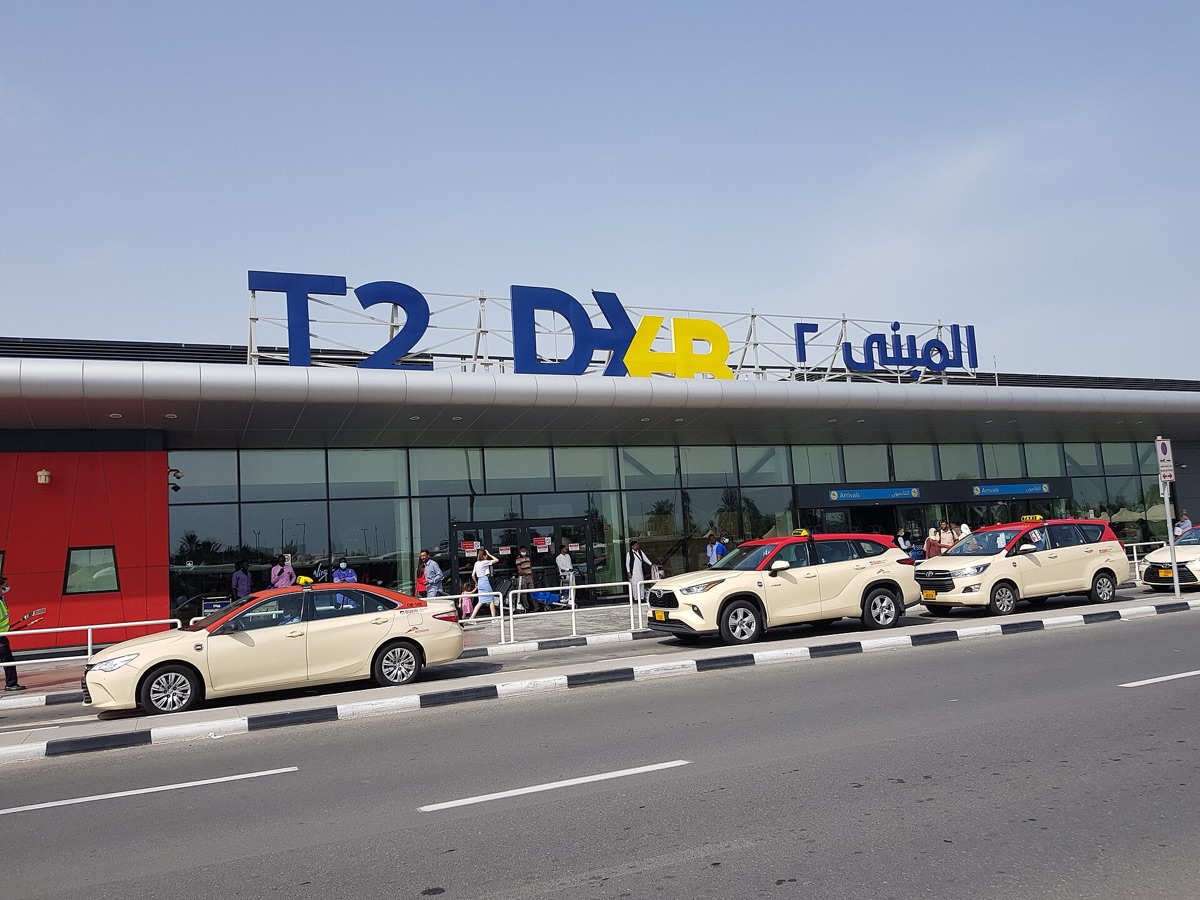
The sheer volume of movement through this hub is staggering. According to the Dubai Department of Economy and Tourism (DET), the emirate hosted 19.59 million international overnight visitors in 2025, which marked a 5% increase compared to 2024—the highest annual total ever recorded.
This growth demonstrates how the airport acts as a critical funnel for global tourism. This momentum is not a recent fluke but a sustained upward trajectory.
In 2019, Dubai welcomed 16.73 million international visitors, which was a 5.09% increase over 2018, proving its ability to maintain growth even as a major global player.
This constant influx of people makes DXB one of the most vital pieces of infrastructure in the modern aviation landscape. But the numbers on the flight board are only one part of the story.
Beyond Passengers: Why Does the Economic Impact Matter So Much?
As dusk falls over the city, a guest leans against a balcony railing and feels the heavy warmth of the desert air while watching the golden lights flicker to life below.
A traveler checks into a luxury hotel in Downtown Dubai, looking out over the Burj Khalifa, and begins to understand the true weight of the city's economy. It is not just about the number of people passing through gates, but the value they bring to the region.
The spending power attracted by Dubai’s ecosystem is immense. In 2018, Dubai ranked first worldwide in international visitor spending, generating US$30.82 billion, which was a 3.8% increase compared to 2017.
This high-value traffic ensures that the airport's operations are backed by a robust, high-spending visitor base. Even during periods of global disruption, the economic resilience was evident.
In 2022, Dubai recorded 14.36 million international overnight visitors, returning to 86% of pre-pandemic levels, while total visitor spending exceeded US$29 billion.
This recovery phase highlighted the city's ability to bounce back and maintain its status as a premier global destination. However, the wealth generated at the airport is just the beginning of the journey.
The Ecosystem: How Does Air Travel Meet Luxury Experiences?
The car pulls up to a desert resort, and the quiet stillness of the dunes provides a sharp, beautiful contrast to the hum of the airport. This transition from high-tech transit to high-touch luxury is the hallmark of the Dubai experience.
The airport is merely the starting line for a carefully choreographed journey.
A typical high-end itinerary often begins with an arrival at DXB, followed by a seamless transfer to a luxury hotel in the Marina or Downtown, and eventually leads to immersive activities like a private desert safari or a visit to the Museum of the Future.
This synergy is built on a foundation of cultural DNA. While the infrastructure is cutting-edge, the hospitality remains deeply influenced by Bedouin heritage, where welcoming guests is an ancient art form. This blend of tradition and futurism makes every arrival feel like an entry into a new world.
But how does the city keep this massive machine running smoothly?
Sustaining Excellence: How Does the City Manage Such Massive Growth?
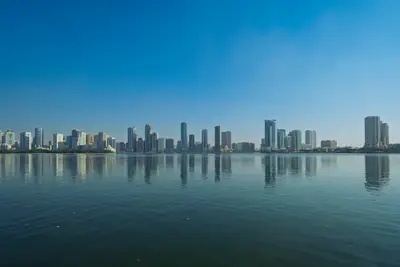
The sun rises over the skyline, hitting the glass towers of the city, signaling the start of another high-occupancy day for the hospitality sector. The city's ability to absorb millions of visitors is a testament to its operational strength.
The strength of the market is reflected in its ability to maintain high occupancy rates across luxury segments. The constant flow of travelers through DXB ensures that hotels, from the Palm Jumeirah to Deira, remain vibrant and economically stable.
With a rapidly growing population and a massive expatriate base, the demand for high-quality transit and lodging remains constant.
This stable demographic makes Dubai a reliable hub for both business travelers and leisure seekers, ensuring that the airport's capacity is always met with high-value demand. Still, the rapid pace of growth leaves some questions about the future.
A Journey Through Time: How Did This Desert Hub Evolve?
Walking through a traditional souk, the scent of oud and spices reminds you that this city was once a quiet trading post. It is hard to reconcile this quiet past with the towering giants of steel and glass that define the skyline today.
The modern success of DXB is built upon decades of strategic development. The city's transition from a regional trading hub to a global leader was driven by a vision to become a central node in global trade and travel.
This evolution from historical roots to a global hub has been rapid. By focusing on infrastructure and connectivity, Dubai has successfully positioned itself as a bridge between the East and the West, turning a desert landscape into one of the most significant economic engines on the planet.
Note on Scale and Sustainability It is important to recognize that such rapid growth places immense pressure on local resources and infrastructure.
The transition to a massive global hub requires constant reinvestment and can lead to significant shifts in local living costs and environmental footprints.

Comments 0