Tourism & Trade: Pillars Supporting Dubai's Modern Economy
"Success is not found in the resources under the sand, but in the vision built upon it."
Dubai transformed from a quiet trading outpost into a global titan by treating oil as a seed rather than a permanent harvest. By proactively engineering economic diversification, the emirate successfully transitioned from hydrocarbon reliance to a world-class hub of logistics and tourism.
Key Takeaways * Dubai’s strategic pivot involved aggressively cultivating non-oil sectors like tourism and logistics to ensure long-term stability. * The modern economy is built on global connectivity, positioning the city as a critical transit point between East and West.
* Early, massive investments in infrastructure and trade laid the groundwork for a high-value service economy that thrives independently of oil prices.
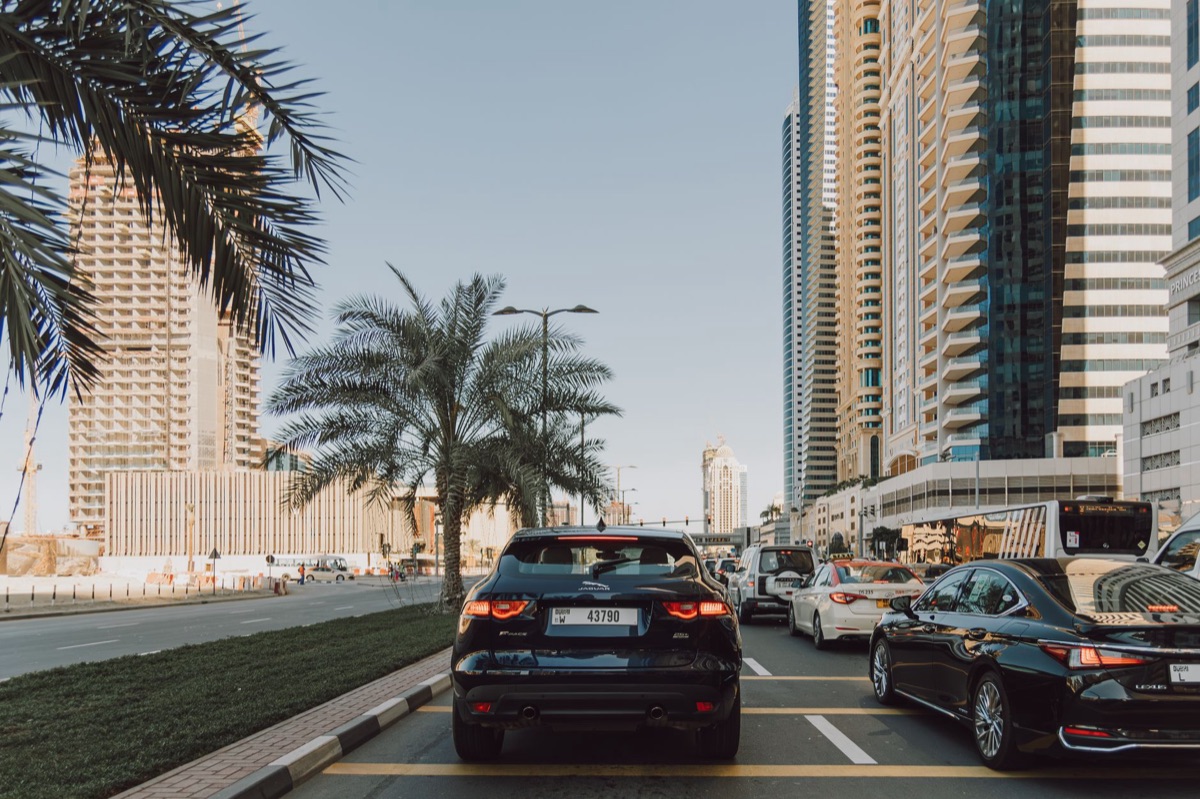
How Did Dubai’s Early Foundations Set the Stage for Modern Success?
A merchant in the 1950s would have looked at the shimmering heat over the Creek and seen a world of limited possibilities, far removed from the glass towers of today.
They would have seen a community tied to the rhythms of the sea and the seasonal winds, where survival meant navigating the delicate balance of local trade and desert life.
Long before the first massive oil rigs changed the landscape, Dubai was already a center of commerce. The early economy was driven by the Souks—traditional markets where gold, spices, and textiles were traded with a precision that predated modern digital banking.
This culture of trade established a mindset of openness and entrepreneurship that would later become the city's greatest asset.
Even in the mid-20th century, the seeds of modernization were being planted. The establishment of the first telephone company in 1959 was a small but significant step toward the hyper-connected metropolis we see today.
During this era, the economy was characterized by gold and pearl trading, with the emirate establishing an early dominance in gold imports to the Indian subcontinent. This early focus on being a middleman between markets provided the blueprint for the logistics giant it would eventually become.
The shift from a local trading post to a global player required a massive leap in vision and capital.
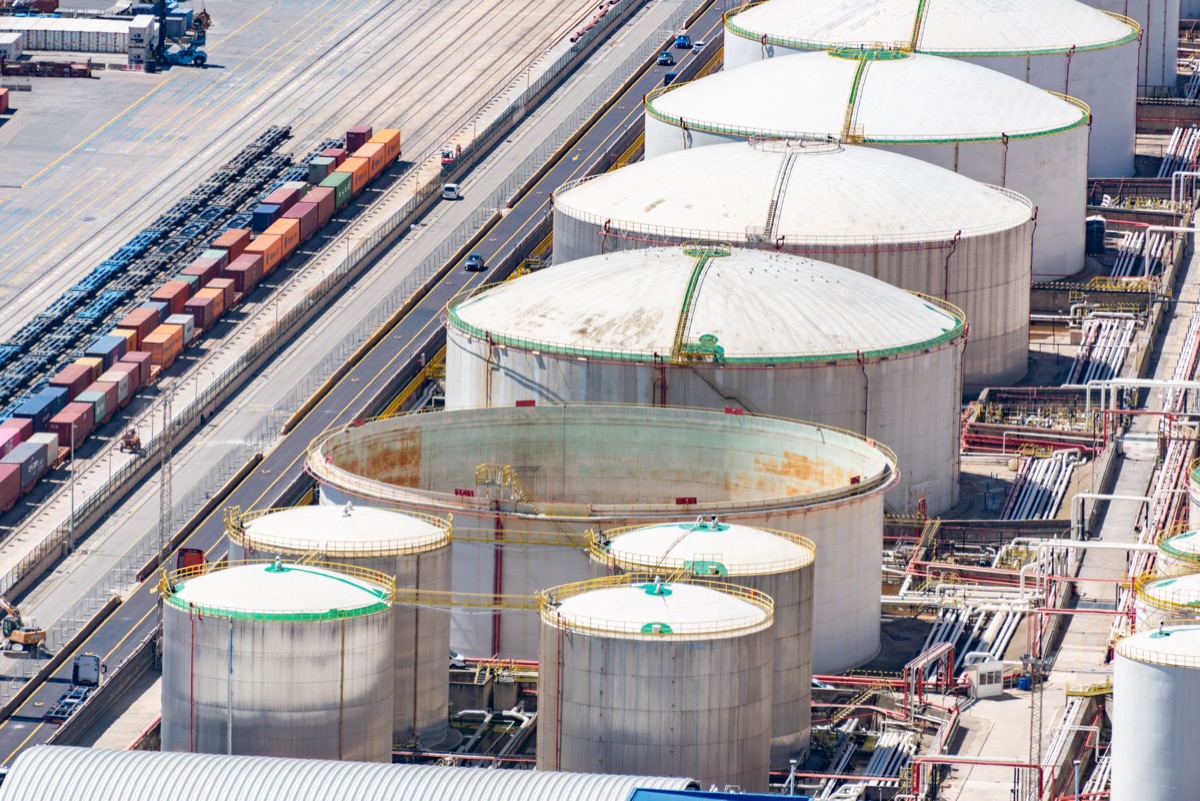
How much is oil's dominance actually declining? A businessman sitting in a desert tent in the late 1970s might have assumed the oil wealth would last forever, never imagining a world where the commodity's value would fluctuate so wildly against the backdrop of a growing metropolis.
The turning point came when the leadership realized that oil, while lucrative, was a finite resource and a volatile foundation for a modern state.
As oil production and revenue reached certain plateaus, the necessity of finding new revenue streams became an existential requirement rather than a choice.
The data reflects this massive structural shift. The IMF ascribed UAE's potentially strong economic growth in the World Economic Outlook Report to the increased contribution of non-petroleum sectors.
This was particularly evident during the mid-2010s, when non-petroleum sectors registered a growth average of more than 6% during 2014 and 2015. This growth proved that the economy could move independently of the oil price.
Today, the reliance on oil for GDP is a fraction of what it once was, as the economy has been rebuilt on the pillars of services and trade.
This transition was not an accident; it was a calculated move to insulate the nation from the boom-and-bust cycles of the energy market.
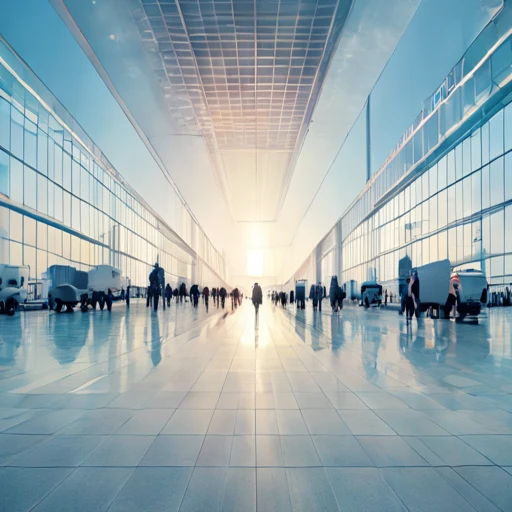
Can tourism and logistics become the new global engine? A traveler stepping off a plane at Dubai International Airport in the middle of the night finds themselves in a city that never truly sleeps, a seamless transition from one time zone to another.
Dubai has mastered the art of the "transit economy." By positioning itself as the ultimate crossroads between Europe, Asia, and Africa, the emirate turned its geographic location into a goldmine.
The logistics and aviation sectors, centered around world-class hubs, turned the city into a global engine of movement.
The scale of this visitor economy is staggering. According to the Dubai Department of Economy and Tourism (DET), the emirate hosted 19.59 million international overnight visitors in 2025, a 5% increase compared with 2024—the highest annual total ever recorded.
This influx of people represents a massive shift in the economic engine. Beyond just numbers, the value of these visitors is significant.
When I first flew into the city and walked through the sprawling terminal, the sheer volume of human movement was overwhelming. It felt less like a city and more like a living, breathing machine designed to facilitate global transit.
The ability to manage millions of people moving through a single point has become one of the city's most profitable and complex industries.
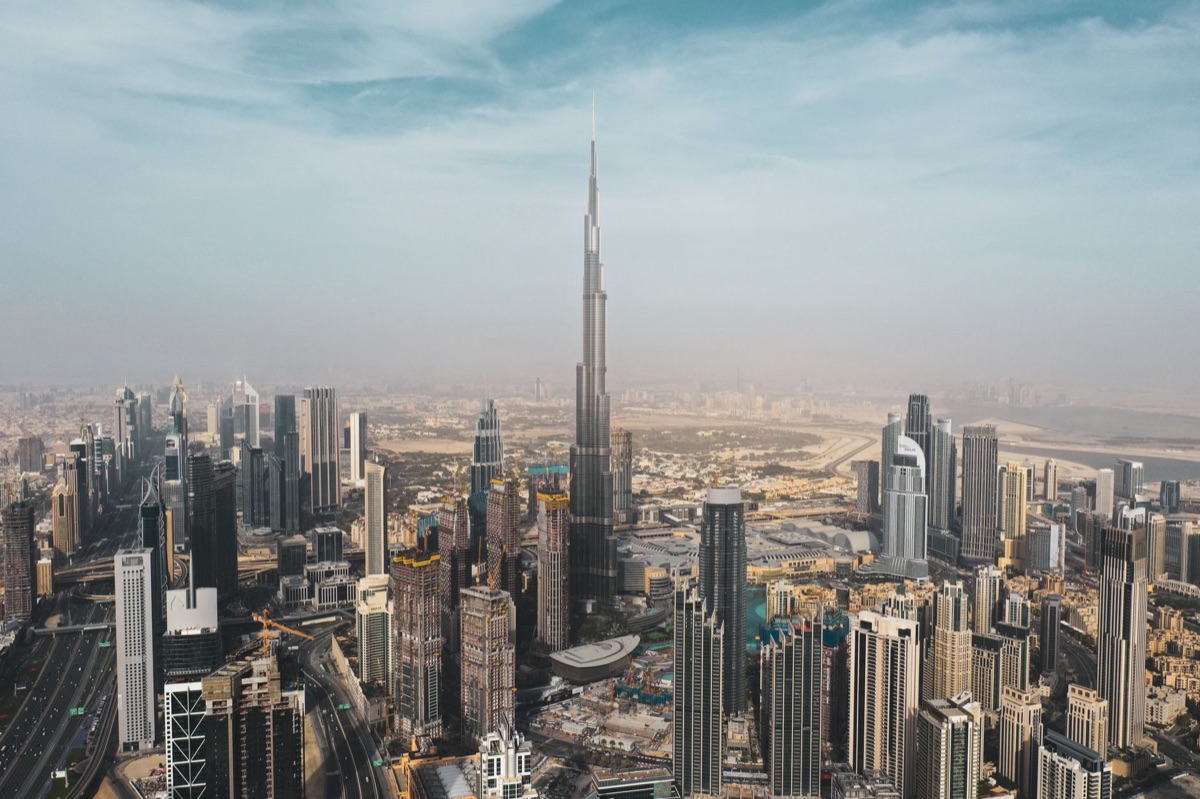
Beyond Oil: The Pillars of Modern Economic Diversification
A professional walking through the DIFC (Dubai International Financial Centre) in a tailored suit experiences a world of high-stakes finance and global corporate headquarters that feels worlds away from the desert dunes.
The modern economy is built on several robust pillars that ensure stability. Real estate, finance, and aviation are no longer just supporting industries; they are the primary drivers of economic activity.
This diversification has created a resilient ecosystem where the growth of one sector often stimulates the growth of another.
This stability is visible in macroeconomic indicators. For instance, the IMF expected UAE's economic growth to increase to 4.5% in 2015, compared to 4.3% in 2014, reflecting the momentum of these non-oil sectors.
Furthermore, the ability to maintain employment through such a massive structural shift is notable. According to World Bank data, the United Arab Emirates recorded an unemployment rate of 2.2% in 2025.
This low unemployment rate is a testament to the success of creating a diverse job market that attracts talent from every corner of the globe.
By building a multi-faceted economy, Dubai has ensured that its prosperity is not tied to a single commodity.
Navigating the Modern Visitor Experience (The Tourist’s Lens)
A tourist standing on the observation deck of the Burj Khalifa looks down at a sprawling metropolis and realizes they are standing in the center of a global economic phenomenon.
For the visitor, the economic success of Dubai translates into an unparalleled range of experiences. The economy is segmented to cater to every type of traveler, from the high-net-worth individual seeking a luxury villa on the Palm to the business traveler utilizing the world-class transit hubs.
The diversity of the economy allows for a diversity of experiences. Below is a comparison of how different visitor segments interact with the economy:
| Visitor Segment | Primary Economic Driver | Typical Activity |
|---|---|---|
| Business Traveler | Finance, Aviation, MICE | Attending conferences at Dubai World Trade Centre, staying in Downtown hotels. |
| Leisure Tourist | Tourism, Retail, Entertainment | Visiting the Burj Khalifa, shopping at Dubai Mall, desert safaris. |
| Transit Passenger | Logistics, Aviation | Short-term stays, quick shopping, and local dining during layovers. |
The economic engine is so vast that it supports a wide variety of price points and styles.
- The Luxury Tier: High-end stays at the Atlantis, The Palm and fine dining in DIFC.
- The Mid-Range Tier: Modern hotels in areas like Al Barsha and Dubai Marina.
- The Budget/Cultural Tier: Heritage stays and local markets in Deira and Bur Dubai.
This segmentation ensures that the economy captures value from every level of global traveler.
Comments 0