UAE's Urban Scale: Dubai, Sharjah, and Ajman's Synergy
"The desert doesn't just host cities; it hosts a massive, interconnected web of urban life that blurs the lines between emirates."
Understanding the relationship between Dubai, Sharjah, and Ajman is essential for anyone looking to understand the true scale of the United Arab Emirates.
While Dubai acts as a global magnet, its neighbors form a vital, high-density residential and industrial backbone that makes the entire region function.
Key Takeaways * Scale Comparison: Dubai functions as a global commercial hub, while the Sharjah-Ajman axis acts as a high-density residential and industrial satellite.
* Growth Drivers: Dubai’s density is driven by international transit and luxury tourism, whereas Sharjah and Ajman leverage regional integration and housing demand.
* Connectivity: The seamless transport corridors between these emirates create a single, massive metropolitan area where people live in one city and work in another.
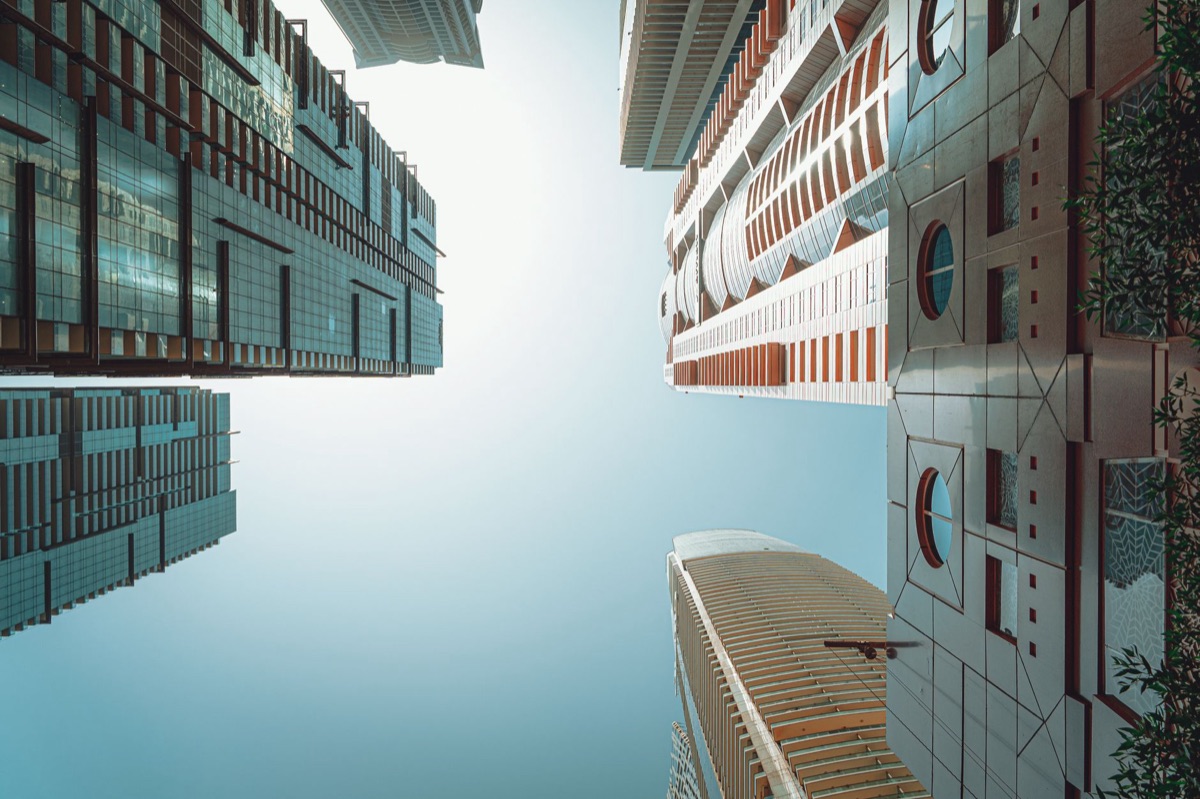
How Does the Modern Urban Footprint Compare: Dubai vs. Sharjah/Ajman?
At sunset, I leaned against a cool glass railing on a Dubai balcony, watching the golden light smudge the hazy transition where the skyline meets the distant sprawl.
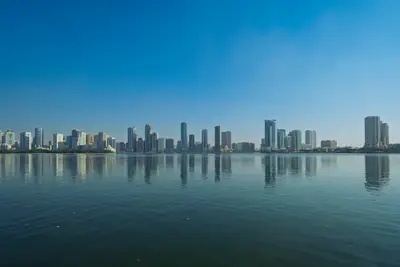
I remember standing on a high balcony in Downtown Dubai, looking north toward the hazy horizon where the city skyline begins to blend into the sprawl of Sharjah. It wasn't just a view of separate cities; it looked like one continuous, breathing organism of concrete and glass.
The "Greater Dubai" orbit is characterized by massive, centralized developments like the Palm Jumeirah and Dubai Marina, which act as gravity wells for global capital. In contrast, the Sharjah and Ajman orbit functions as a more integrated, regional cluster.
While Dubai focuses on high-rise tourism and global trade, Sharjah has developed a deep-rooted identity as a cultural and residential hub, often housing the workforce that keeps the regional economy moving.
The growth vectors are fundamentally different. Dubai is a globalized magnet, pulling in people from every corner of the earth for business and leisure.
Sharjah and Ajman, however, represent a more organic, regional integration, providing the essential residential and industrial density that supports the broader metropolitan life.
But how do we actually measure the sheer magnitude of this expansion?
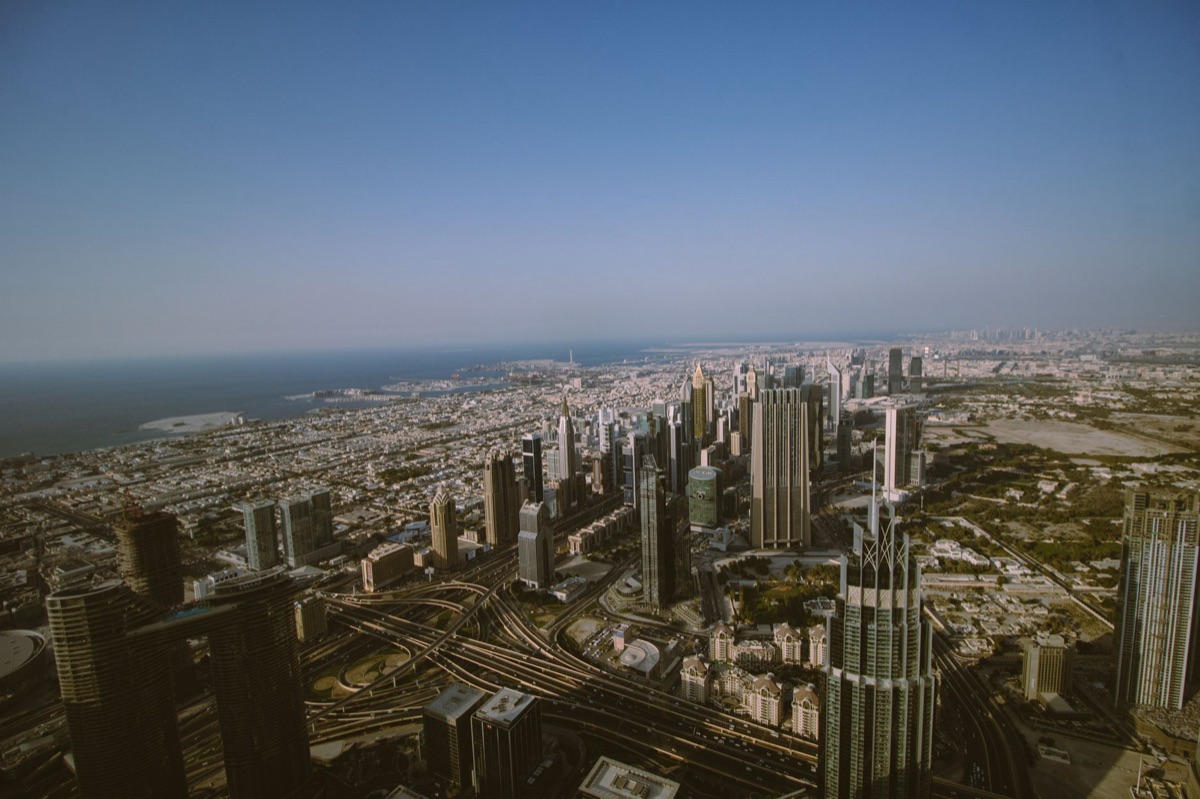
Quantifying Scale: Population & Economic Indicators
Walking through the Dubai International Financial Centre (DIFC) during a weekday, the sheer volume of professional activity makes the numbers feel tangible. You don't just see people; you see the weight of global commerce moving through a specific geographic space.
The scale of this growth is reflected in the data. Dubai's population has surged, reaching approximately 4 million residents by 2025, with a staggering 92% of that population being expatriates.
This makes the city a true global melting pot, where the demographic is shaped by international mobility rather than local birth rates.
The tourism numbers tell an even more dramatic story of growth. According to the Dubai Department of Economy and Tourism (DET), the emirate hosted 19.59 million international overnight visitors in 2025, which represents a 5% increase compared to 2024—the highest annual total ever recorded.
This massive influx of people creates a level of density that is almost unparalleled in the region.
Looking back at the trajectory of this growth, the economic impact is clear. While 2022 saw a return to 86% of pre-pandemic levels with 14.36 million international overnight visitors, the momentum has only accelerated.
For context, in 2017, the city saw massive spending power that fueled the constant expansion of the city's footprint. This level of spending power fuels the constant expansion of the city's footprint.
However, the physical movement of people between these hubs is where the real complexity lies.
The Role of Connectivity: How Do These Cities Function as One Metro Area?
I once took a taxi from a quiet residential street in Sharjah to a meeting in Dubai Marina. According to World Bank data, the United Arab Emirates recorded share of internet users of 100.0% in 2024.
The transition from the winding, more traditional streets of Sharjah to the multi-lane superhighways of Dubai felt like moving between two different eras, yet the ease of travel made them feel like two neighborhoods of the same city.
This connectivity is what defines the modern metropolitan area. There is a clear functional dependency between the emirates. Dubai acts as the global gateway, handling the massive volume of transit and high-end commerce, while Sharjah and Ajman serve as vital residential and support hubs.
The infrastructure—the highways, the metro expansions, and the supply chain corridors—binds these emirates into a single economic unit. Many residents live in the more affordable, high-density areas of Sharjah or Ajman and commute into Dubai daily.
This creates a "hub-and-spoke" model where the city-state of Dubai is the center, but the surrounding emirates provide the essential human capital and space to sustain that center.
When you look at the people moving through these corridors, you see distinct patterns of behavior and economic roles.
Visitor Profile: Who is Driving the Demand?
Sitting in a café in the Gold Souk, watching travelers from every continent haggle over jewelry, you realize that the "visitor" is not a monolith. The people flowing into this metropolitan area come with vastly different intents, yet they all contribute to the same density.
The visitor base is incredibly diverse, ranging from high-net-worth individuals looking for luxury to business travelers and transit passengers. This diversity is a strength, as it spreads economic impact across different sectors.
| Segment | Primary Driver | Typical Behavior |
|---|---|---|
| Business Travelers | Global Trade/Finance | Stay in Downtown/DIFC, high weekday occupancy |
| Leisure Tourists | Sightseeing/Shopping | Stay in Marina/Palm, high weekend/seasonal volume |
| Transit/Stopover | Connectivity | Short-term stays, high volume via DXB airport |
The market is segmented into clear roles. Business travelers drive the weekday economy, while leisure travelers fuel the weekend and holiday surges.
Additionally, the massive volume of transit travelers—people using Dubai as a bridge between East and West—adds a layer of constant, high-velocity density that most cities never experience.
But how do you navigate and live within such a rapidly evolving landscape?
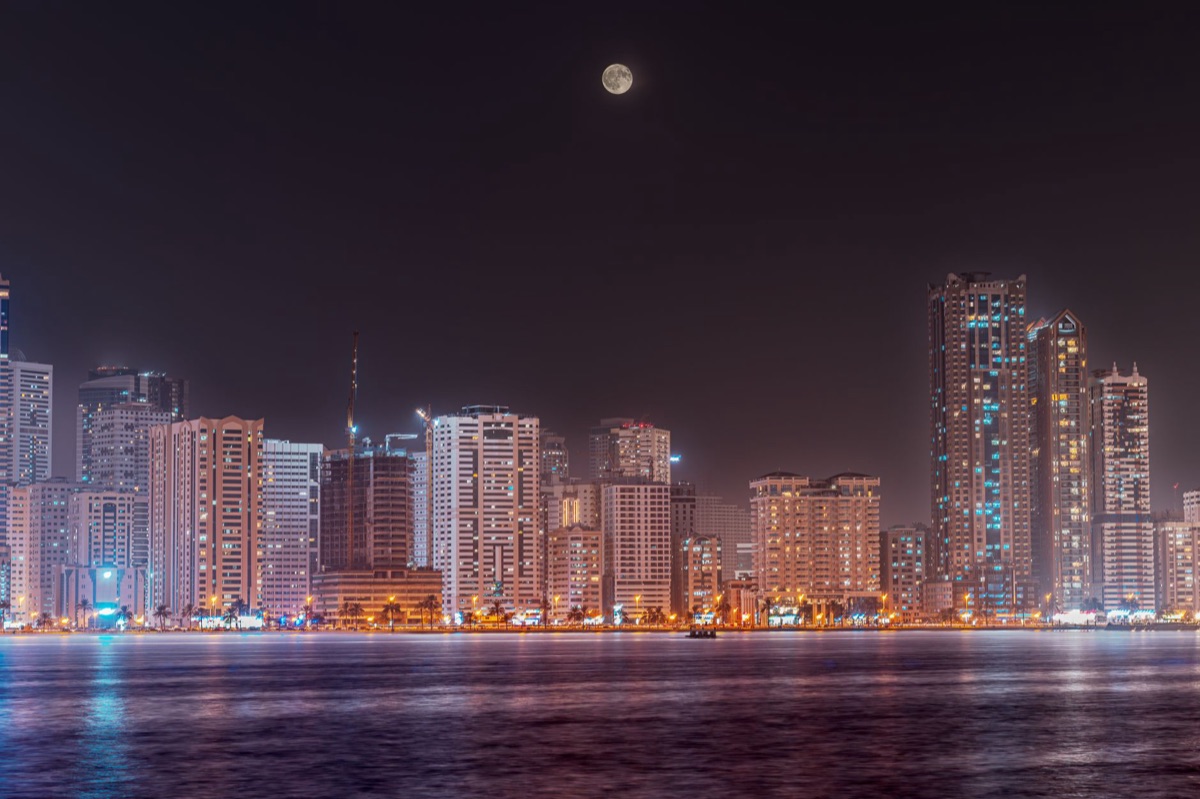
How to Navigate the Regional Growth: A Practical Checklist
When you are living or working across these borders, you need a strategy to manage the logistics of a multi-emirate lifestyle.
- Identify your residential hub: Determine if you need the residential stability of Sharjah or the central accessibility of Dubai.
- Plan your transit windows: Account for peak-hour congestion on the E11 and E311 highways, especially during weekday morning and evening commutes.
- Monitor visa and regulation nuances: While the region is highly integrated, always check specific local requirements when moving between emirates.
- Balance your budget: Utilize the lower cost of living in Sharjah and Ajman to offset the higher living expenses in Dubai.
The ability to move between these zones is what makes the region work, but it requires constant adjustment.
Future Trajectories: Sustaining Growth in the GCC Context
As I watched a new skyscraper rise against the desert sunset, I couldn't help but wonder how much more this landscape can change. The rapid transformation of the desert into a metropolitan powerhouse is a feat of engineering, but its long-term success depends on more than just concrete.
The sustainability of this growth model relies on moving beyond a pure dependence on global transit. While tourism and transit are massive drivers, the government is actively working on economic diversification to ensure that the density remains stable even if global travel patterns shift.
Government vision plays a central role in managing this density. Through strategic urban planning, the UAE aims to balance the explosive growth of Dubai with the sustainable development of its neighbors.
The goal is to maintain a high quality of life while managing the logistical challenges of a massive, interconnected population.

Comments 0