Massive Scale: How T3 Drives Global Connectivity in Aviation
"It is not just an airport; it is a city built for flight."
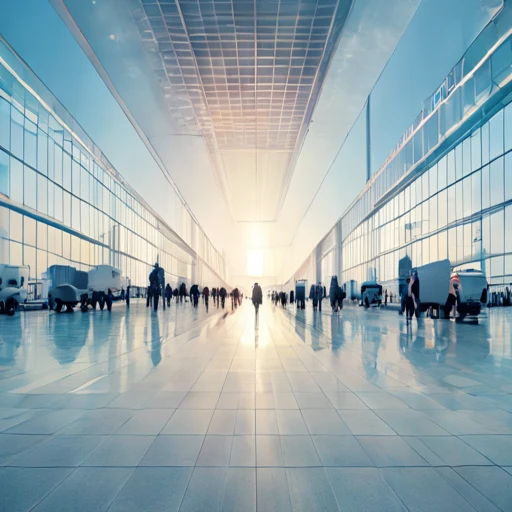
Walking through the massive glass corridors of Dubai International Airport, you don't feel like you are in a transit hub, but rather inside a high-tech cathedral of movement. Terminal 3 stands as a testament to human ambition, serving as the primary heartbeat for global aviation.
Key Takeaways * Unrivaled Scale: Terminal 3 is one of the largest single terminal buildings in the world, designed to handle massive passenger volumes.
* Global Connectivity: It acts as the primary hub for Emirates, linking East and West through a single, streamlined architectural marvel. * Architectural Engineering: The design prioritizes high-ceilinged, light-filled spaces that manage massive throughput without feeling claustrophobic.
* Economic Driver: The terminal is the gateway for millions of visitors who contribute billions to the local economy.
How Does T3’s Scale Compare to Global Giants?
I remember standing at a gate in Terminal 3 at 11:30 PM, looking down a concourse that seemed to stretch toward the horizon, wondering if I would ever reach the other end. The cool, recycled air brushed against my face as the distant hum of a jet engine vibrated through the floor.
The sheer length of the corridors makes you realize that this isn't just a building; it is a massive piece of infrastructure designed to conquer distance.
The scale of Terminal 3 is often difficult to grasp until you see it in person. While many global hubs are spread across multiple disconnected buildings, T3 is a concentrated powerhouse of aviation.
It was built to accommodate the massive wide-body aircraft that define modern long-haul travel, requiring gate depths and wing spans that would be impossible in older, more cramped airports.
The operational capacity is staggering. It is designed to handle tens of millions of passengers annually, functioning as a high-speed circulatory system for the planet.
Unlike older airports that struggle with expansion, T3 was built with a vision of modular growth, allowing it to remain a leader in global rankings for decades.
The architectural vision was never just about size, but about managing that size. The layout is designed to prevent the "maze effect" common in mega-terminals, using clear sightlines and massive structural supports to guide travelers through its vast footprint.
But size alone doesn't make a hub; it's the movement within that counts.
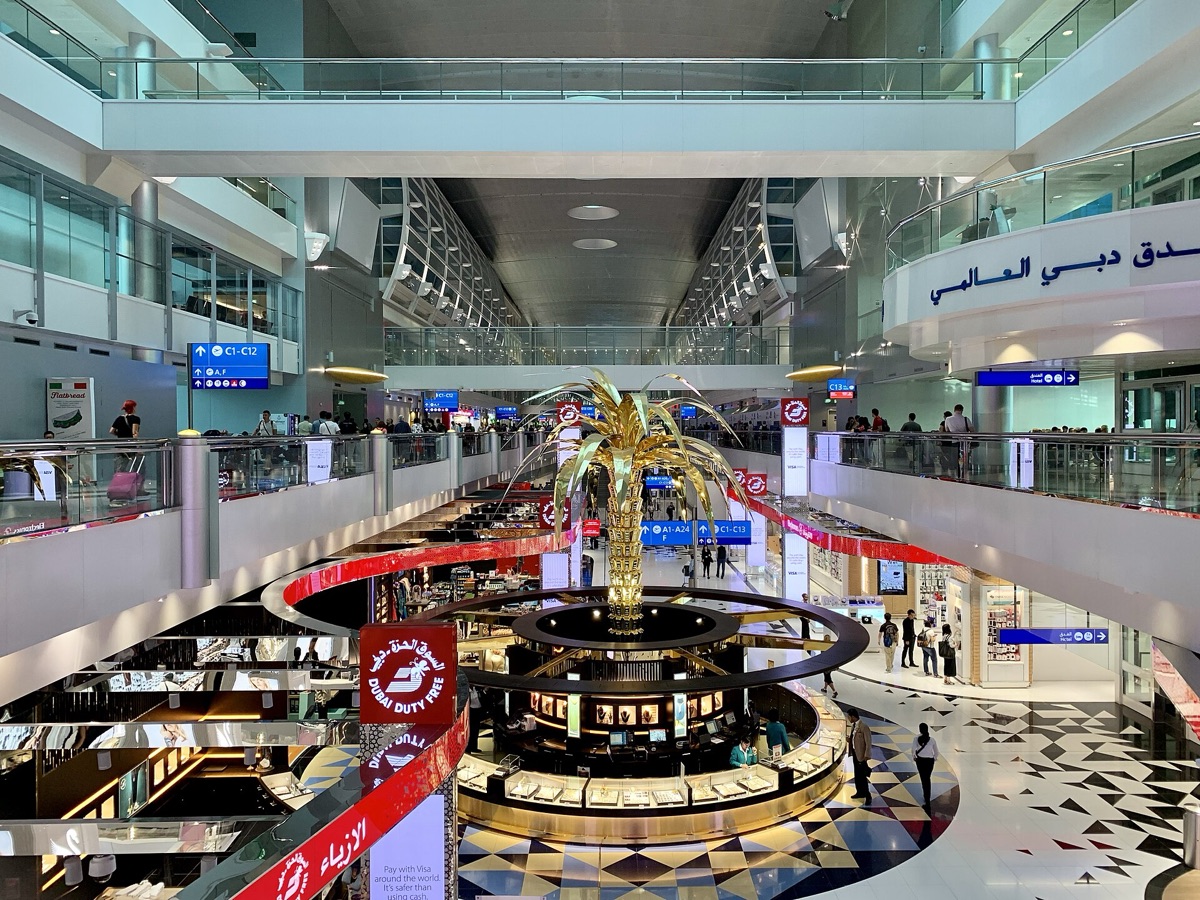
How does T3 drive Dubai's global connectivity? The quiet hum of a thousand moving travelers creates a constant white noise that makes you feel like you are in the center of the world. I watched a family from Tokyo meet a business traveler from London in the middle of a terminal hall, two worlds colliding in a space built for transition.
Terminal 3 serves as the primary gateway for international transit, functioning as the cornerstone of Dubai's identity as a global crossroads.
It is specifically optimized for long-haul, high-capacity flights, making it the perfect engine for a city that positions itself as the meeting point of the East and West.
Efficient passenger flow management is the secret to its success. Despite its massive size, the terminal uses advanced logistics to ensure that travelers can transition between flights with minimal friction.
This efficiency is what allows Dubai to maintain its status as a top-tier global hub, where a 10-hour layover can feel like a productive or relaxing part of a journey rather than a chore.
However, the experience isn't just about moving through a space; it's about what you find while you wait.
Is T3 more than just a transit hub? I sat in a quiet lounge at 3:00 AM, looking out through a floor-to-ceiling window at a massive A380 docking at its gate, and realized I had spent four hours here without feeling any urge to leave.
The soft glow of the lounge lighting and the smell of fresh espresso made the vastness of the terminal feel strangely intimate.
The concept of the "airport as destination" is fully realized here. Instead of just gates and baggage carousels, T3 integrates high-end retail, fine dining, and luxury lounges that rival five-star hotels.
It is designed to capture the "dwell time" of travelers, turning a transit period into a high-end shopping or dining experience.
The high-end services available, from premium lounges to specialized concierge desks, ensure that the traveler's experience is tailored to their needs.
Whether it is a business traveler needing a quiet workspace or a family looking for entertainment, the terminal provides a sophisticated environment that makes the massive scale feel personal.
But how do you actually navigate such a sprawling environment without getting lost?
How to Navigate the Giant: A Traveler's Checklist
At 8:00 AM on my first day, standing in the center of the terminal with a heavy suitcase and a confusing flight board, I realized that navigating T3 requires a strategy. The sheer volume of people and the vastness of the gates can be overwhelming if you don't have a plan.
To make the most of your time and avoid the stress of the massive footprint, follow these steps:
- Confirm Your Gate Early: Check the digital flight boards immediately upon arrival and again 30 minutes before boarding, as gates in T3 can be a significant walk from the central hub.
- Utilize the Transit Loop: If you have a long layover, locate the nearest lounge or transit hotel to establish a "home base" before exploring the retail areas.
- piece
- Plan Your Walking Breaks: Because the distances can be long, identify the nearest seating areas or cafes halfway through a transit corridor to avoid fatigue.
- Monitor Connection Times: Always account for an extra 45 minutes of walking time when moving between different sections of the terminal to ensure you don't miss a flight.
While these steps help, the physical structure itself plays a massive role in the experience.
Architectural Marvel: Engineering Meets Vision
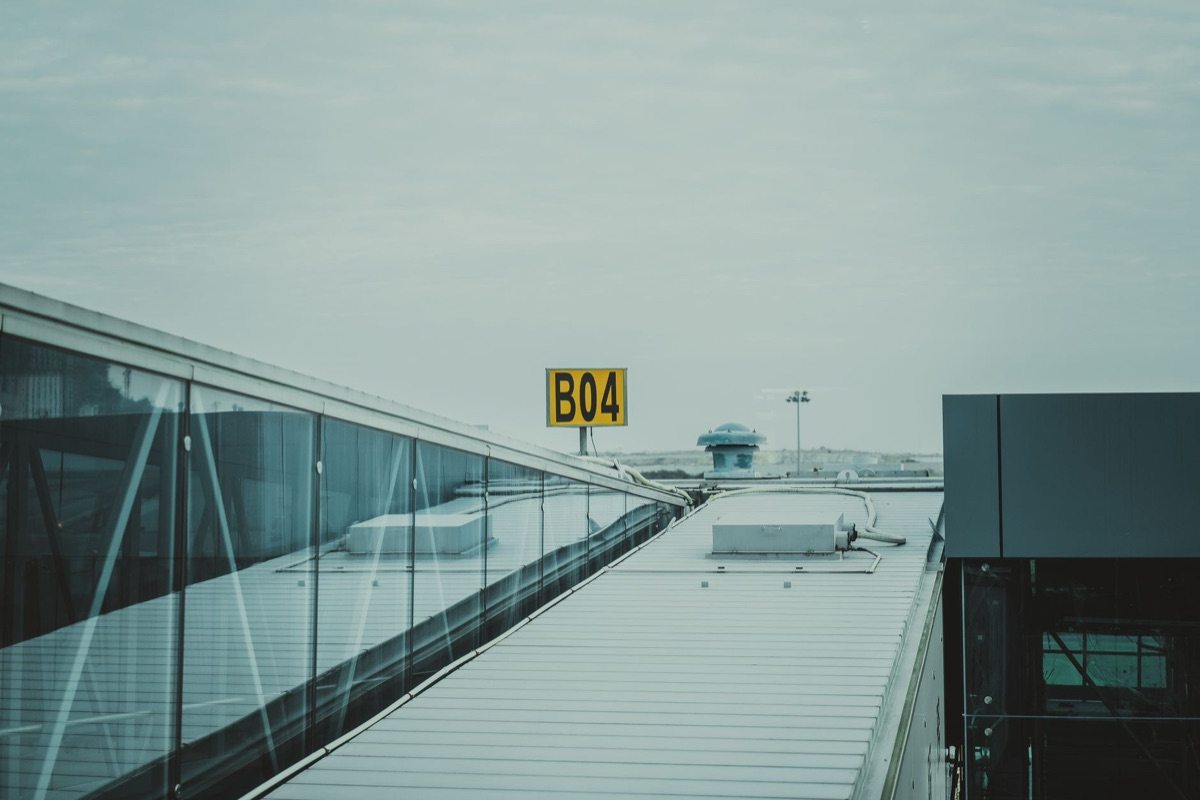
The light in the terminal is almost blindingly bright, reflecting off polished floors and massive glass panes that make the ceiling feel miles high. It is a space where the weight of the engineering is hidden behind a veil of light and glass.
The architecture is a masterclass in modern engineering. The use of expansive glass and high ceilings is not just an aesthetic choice; it is a way to manage the psychological impact of such a massive space.
By allowing natural light to penetrate deep into the terminal, the architects prevented the feeling of being trapped in a windowless hall.
Technology is integrated into every structural element. From the automated baggage handling systems that move thousands of pieces of luggage per hour to the sophisticated security checkpoints, the engineering is designed to be invisible yet invincible.
This allows the human experience to remain the priority while the machines handle the heavy lifting.
The design reflects the UAE’s vision for a future-ready city. It is a bold, forward-looking structure that refuses to be traditional.
The scale of the ceilings and the length of the gates are built to accommodate the aircraft of tomorrow, ensuring that the terminal remains relevant as aviation technology evolves.
The Human Scale: Throughput and Global Footprint
Looking at the digital flight boards, I saw names of cities from every continent, a reminder that every person in this hall is a link in a global chain. It is a humbling realization of how many lives intersect in this single building every single day.
According to World Bank, the United Arab Emirates recorded share of internet users of 100.0% in 2024.
The sheer volume of people moving through this terminal is a testament to its success. While the terminal handles massive numbers, its impact is felt in the global economy. The ability to process millions of travelers reliably is what makes Dubai a leader in international tourism.
The economic impact of these travelers is significant. According to the Dubai Department of Economy and Tourism (DET), the emirate hosted 19.59 million international overnight visitors in 2025, a 5% increase compared with 2024, which was the highest annual total ever recorded.
This massive influx of people is facilitated by the capacity of hubs like Terminal 3.
The success of this transit-led model is reflected in historical spending data. For instance, the scale of economic activity seen in recent years is a direct result of the infrastructure that allows such high volumes of travelers to enter and exit the city reliably.
| Feature | Purpose | Impact on Traveler |
|---|---|---|
| Massive Gate Capacity | Accommodate wide-body aircraft | Reduced flight delays and easier boarding |
| High-Ceiling Design | Structural integrity and light | Reduced feeling of congestion |
| Integrated Retail/Dining | Revenue and passenger engagement | Turns transit into a luxury experience |
| Advanced Logistics | Efficient baggage and security | Minimizes stress during connections |
Note on Travel Logistics: While the terminal is designed for efficiency, the sheer size means that passengers with limited mobility should utilize the internal shuttle services and elevators located at specific intervals.
The time required to traverse the terminal can vary significantly depending on the specific gate assignment.

Comments 0