Dubai's 90% Foreigner Population: A Global Hub Engine
"A massive furnace forged in the desert heat, where the lives of the entire world are inextricably intertwined."
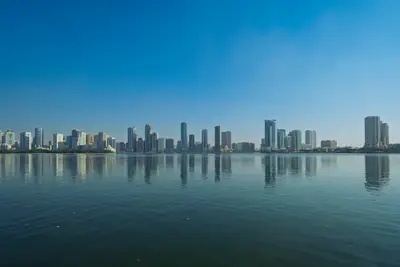
Understanding Dubai's demographic structure is like looking into the engine behind its glittering skyline. With a population where nearly 90% are expatriates, we examine how a constant influx of human capital transformed this barren land into a global hub.
* The correlation between a 90% migrant workforce and rapid economic growth. * The city's dynamic energy driven by nearly 20 million annual visitors. * The unique demographic balance between permanent residents and transient tourists.
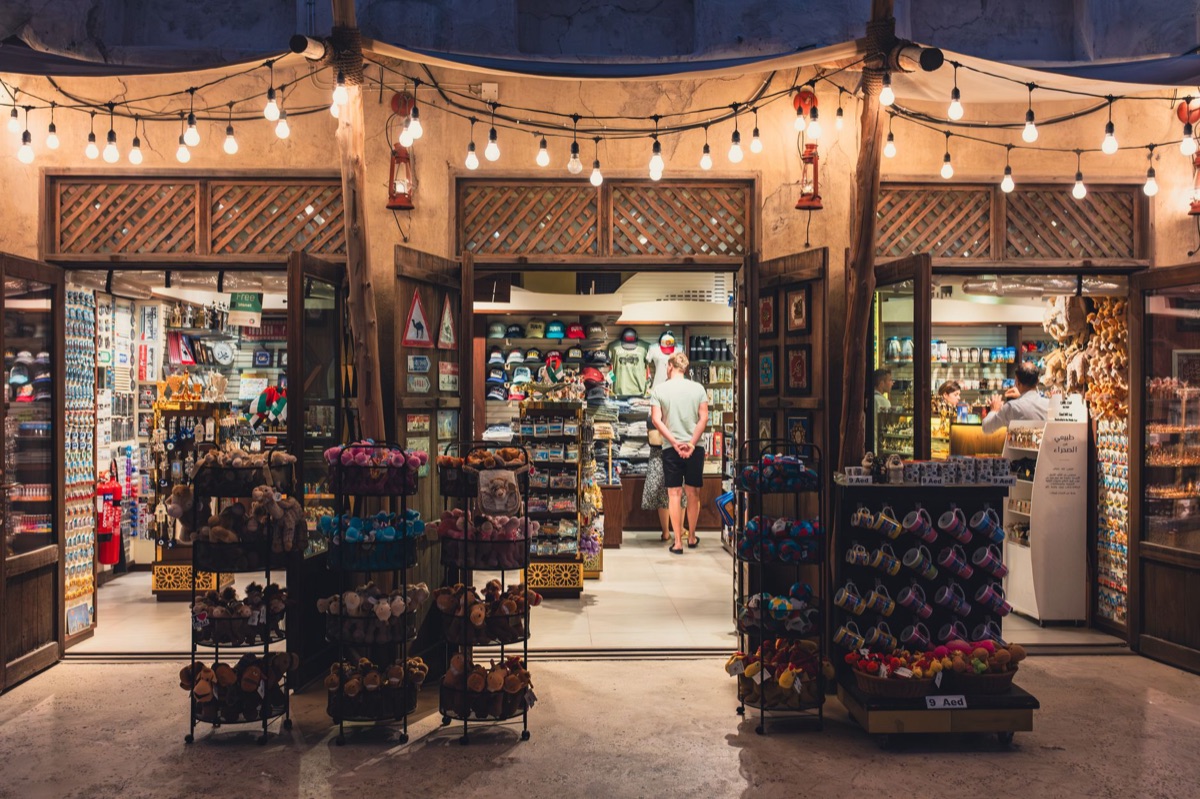
How did strangers build such a massive city?
At 2:00 PM on a Friday, looking out over the endless stream of vehicles on Sheikh Zayed Road, the scale is overwhelming. On the metro cutting through the canyons of skyscrapers, faces of every nationality pass by—Hindi, English, Arabic, and more.
It feels like a giant, compressed version of the entire planet.
Walking through immigration at Dubai International Airport, you realize almost immediately that outsiders far outnumber locals.
The demographic makeup of Dubai is highly unconventional. Most of the population consists of human capital brought in from abroad, a fact directly tied to the city's explosive economic growth.
The core of this structure lies in the ratio of labor to residents. Migrants, particularly migrant workers, make up approximately 80% of the resident population of the UAE and account for 90% of its workforce.
This overwhelming percentage explains how Dubai achieved its leap to global hub status in such a short timeframe.
However, this demographic reality is more than just a matter of numbers; it carries deep social dynamics and complex interests.
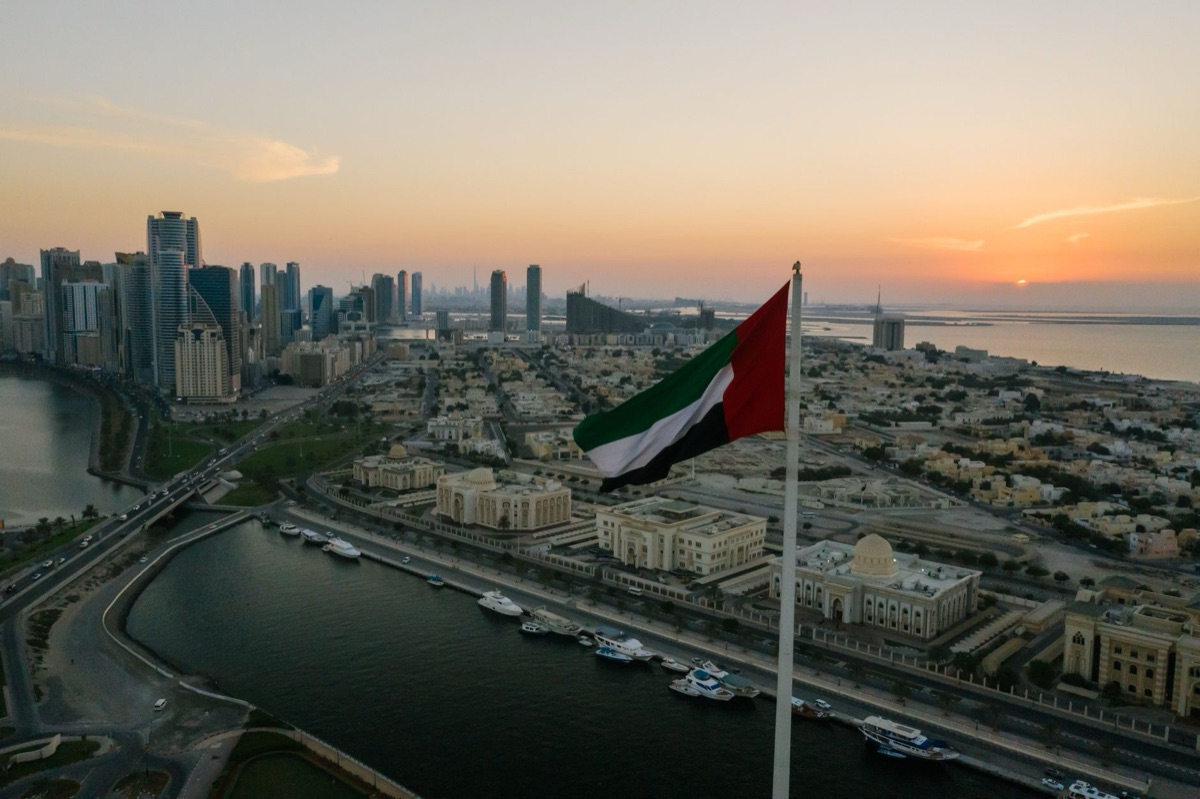
How do growth and population show up in the numbers?
At 8:00 PM, sitting at a dining table near the Dubai Mall, I watch the crowds pass by. The bustling restaurants are filled with a mix of ethnicities, and every table features a different type of cuisine.
Dubai's growth is proven by its data. The influx of tourists and the arrival of new residents have worked in tandem to expand the city's scale. According to World Bank data, the total population of the United Arab Emirates was recorded at 11,513,149 in 2025.
The city's economic magnetism is visible in its record-breaking tourism numbers. According to the Dubai Department of Economy and Tourism (DET), the emirate hosted 19.59 million international overnight visitors in 2025, a 5% increase compared to 2024—the highest annual total ever recorded.
This surge in visitors makes the population structure even more complex. A delicate balance exists between those staying temporarily and those who have moved their entire lives to call this place home.
Specific nationalities also play a massive role in the workforce. For instance, Indian migrants constitute 42.5% of the UAE's workforce. This composition explains why you might find Indian curry and Arabic hummus coexisting on the same street corner.
| Category | Primary Characteristic | Note |
|---|---|---|
| Population Composition | Dynamic, expatriate-led structure | Majority of residents are from abroad |
| Economic Driver | Tourism and service-oriented | Annual record-breaking visitor numbers |
| Demographic Feature | High concentration of specific nationalities | Reflects global hub characteristics |
Why does everyone flock to Dubai?
Looking at the construction sites that never stop moving despite the desert heat, or the opulent shopping malls, people often ask, "Why live here?"
Dubai is a land of opportunity. Tax incentives and a business-friendly environment attract talent and capital from across the globe. However, this rapid expansion has its shadows.
The social issues arising from rapid population growth and labor acquisition are challenges the city must manage. In 2012, a workers' camp in Sonapur, Dubai, experienced 20 days without water and 10 days without electricity, as well as no pay for three months.
Such instances highlight the human rights and living condition challenges that can arise during rapid expansion.
Despite these challenges, the city remains an irresistible destination. December 2025 marked one of the strongest months in nearly two decades, with hotel occupancy exceeding 84% and room rates reaching multi-year highs. These numbers show that the world remains captivated by Dubai's momentum.
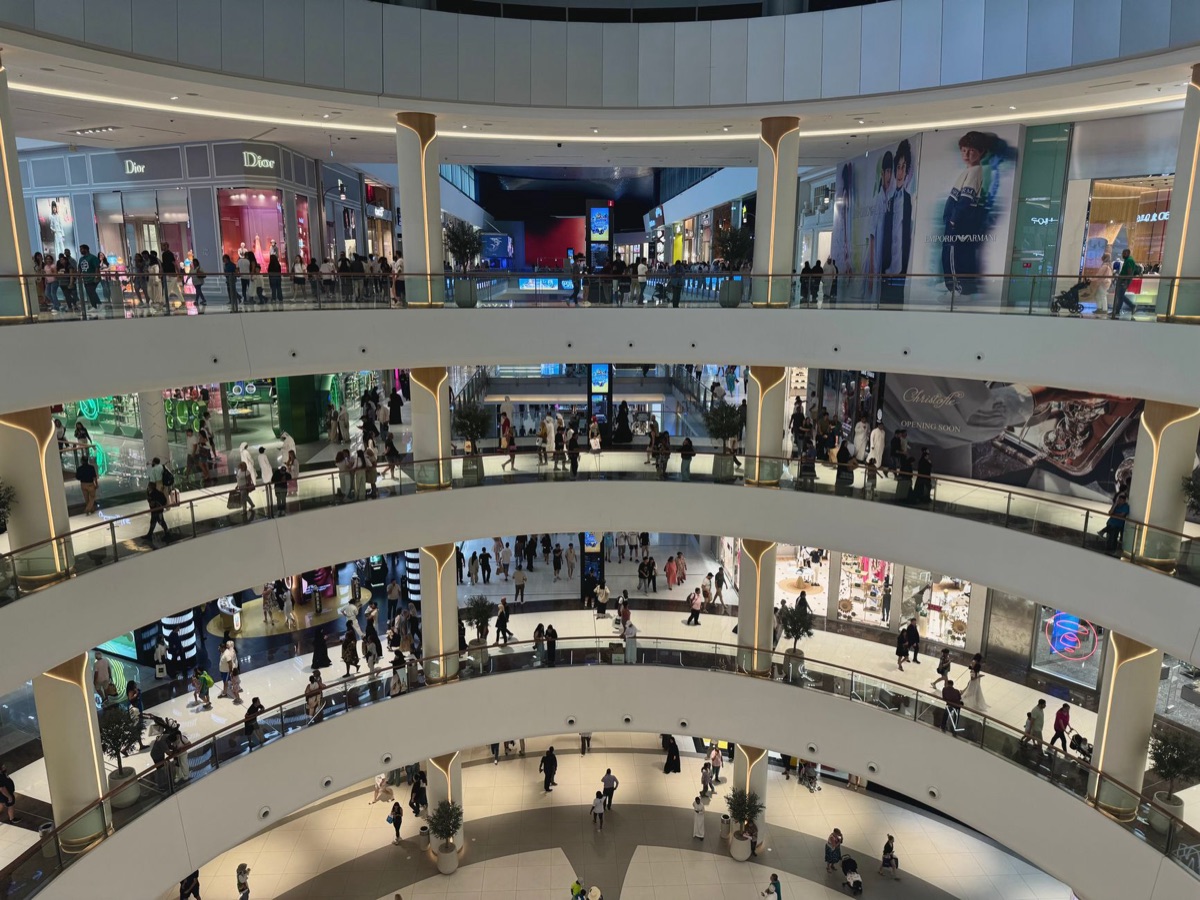
How to understand the line between resident and tourist
Life in Dubai generally falls into two categories: those looking to settle permanently and those visiting for short-term purposes.
The city's demographics are maintained by the interaction of these two groups. In 2025, the average hotel occupancy rate reached 80.7%, up from 78.2% in 2024. This indicates that demand for both leisure and business travel remains consistently strong.
To understand these population flows systematically, consider these four perspectives:
- Resident Group Analysis: Examine the ratio between high-skilled professionals looking for long-term residency and service-sector workers.
- Tourist Influx Patterns: Track the seasonal and purpose-driven (business vs. leisure) distribution of the 19.59 million annual visitors.
- Infrastructure Impact Assessment: Compare living standards in high-density areas like Dubai Marina or Downtown with outlying areas like Sonapur.
- Social Dynamics Measurement: Analyze how specific demographic groups, such as the 42.5% Indian workforce, impact the local economy and culture.
Because of these characteristics, Dubai is never a static city. It is a constant flow of change and new arrivals.
A look at the demographic flip side
Behind the city's brilliance lies a complex social reality.
We must look beyond the raw numbers to understand the social context. A high expatriate ratio brings vitality, but it also necessitates constant management of social safety nets, human rights, and living environments.
Rapidly expanding populations also put pressure on infrastructure. Traffic congestion and rising housing costs are daily realities for those living in the city.
However, these challenges are paradoxically the reason Dubai must continue to innovate and develop.

Comments 0