Optimal Dubai Trip Timing: Beat the Heat, See the Sights
"The desert doesn't care about your itinerary, but your itinerary should definitely care about the desert."
Choosing when to fly into Dubai is the difference between a breezy stroll through the Souks and a survival mission through a furnace. Depending on your month of arrival, you will either be chasing the perfect sunset in the dunes or seeking refuge in the world's most luxurious air-conditioned malls.
Key Takeaways
* Peak Season (October–April): The gold standard for outdoor adventures, desert safaris, and walking tours. * Off-Peak Season (May–September): Extreme heat makes outdoor activities difficult; best for luxury indoor stays and budget-conscious travelers. * The Strategy: Match your itinerary to the thermometer. If you want to hike or explore the Old City, aim for winter. If you want world-class shopping and lower hotel rates, aim for summer.
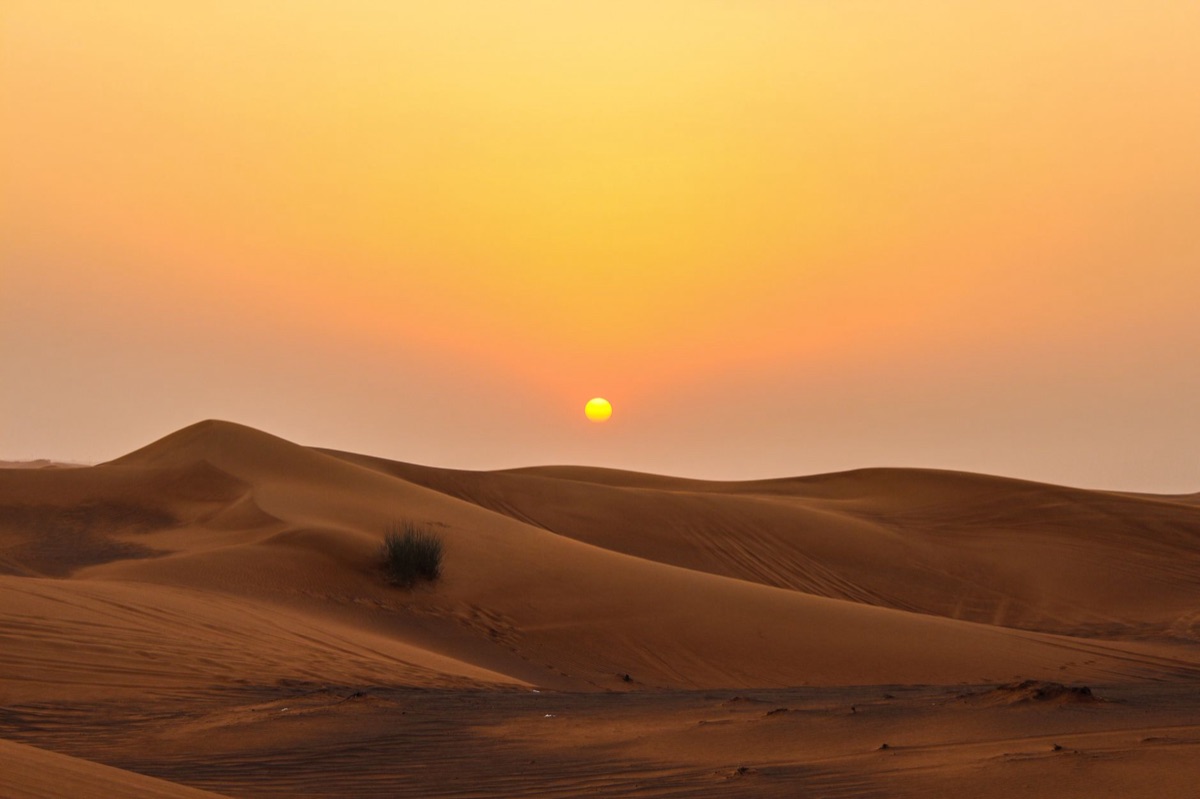
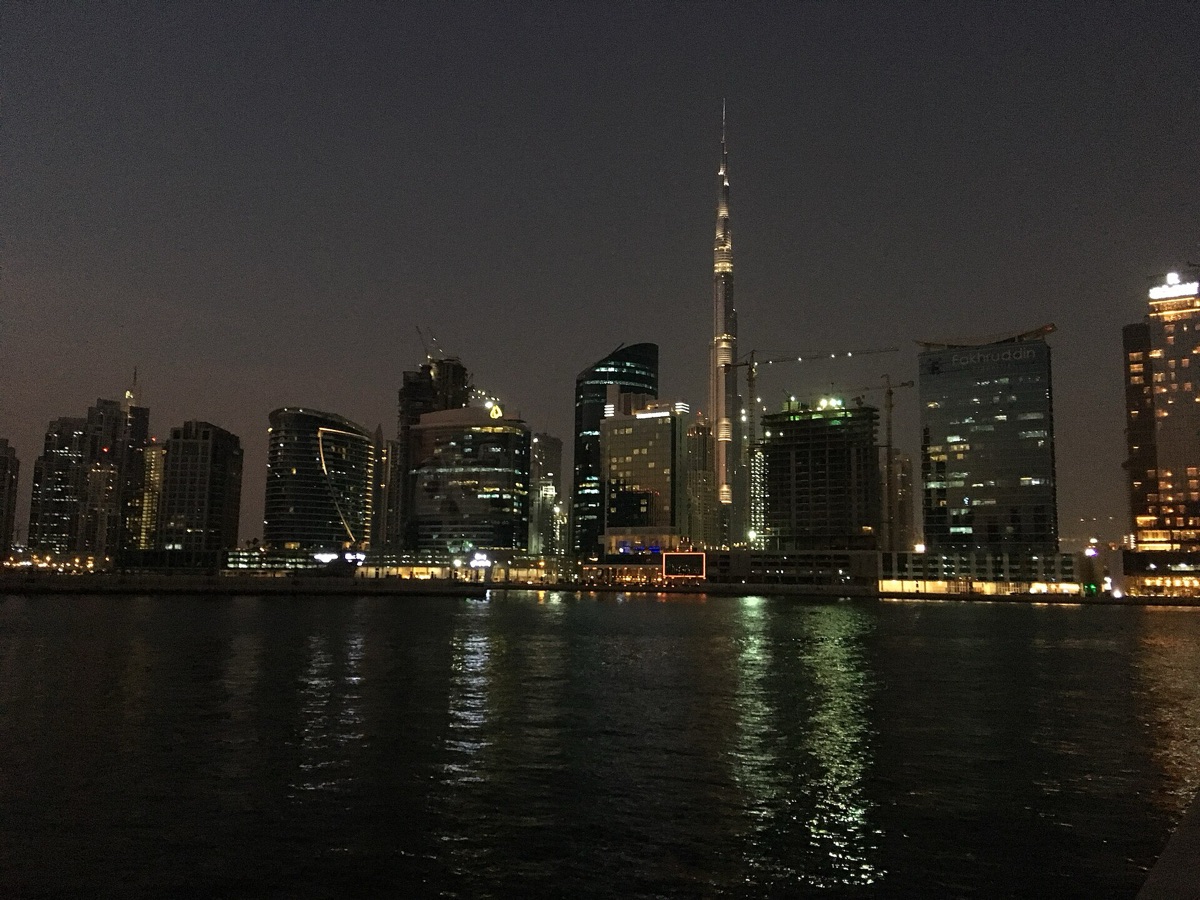
When is the absolute best time to go? The sun hits the pavement at 7:00 AM, and already the air feels heavy and warm. You pull your sunglasses down and realize that today might actually be comfortable enough to walk from the Dubai Mall to the Burj Khalifa without breaking a sweat.
For most travelers, the window between October and April is the undisputed champion of timing. During these months, the desert loses its bite and the sky stays a clear, piercing blue.
In January, for instance, you can expect average highs around 75°F (24°C), making it perfect for wandering through the Al Fahidi Historical Neighborhood or standing on an observation deck.
When the weather is this mild, your activity list expands. You can plan a desert safari where the "dune bashing" feels like an adventure rather than a heat stroke, and you can walk through the Gold and Spice Souks without feeling overwhelmed by the humidity.
This is the time when the city's energy is at its peak, and the outdoor lifestyle is fully realized. But what happens when the temperature climbs and the pleasant breezes vanish?
How can I survive and thrive in the summer heat? The heat hits you like a physical wall the moment you step out of the terminal. The asphalt shimmers in the distance, and the air is so thick with humidity that breathing feels like a conscious effort.
From May through September, the climate shifts into a different gear. Average highs can soar toward 104°F (40°C) and beyond, and the humidity can make the "real feel" temperature even more punishing. During this time, the city undergoes a functional shift.
The lifestyle moves indoors, and the "outdoor" part of your vacation essentially vanishes.
To thrive during these months, you must pivot your mindset. Instead of sightseeing, you are experiencing the pinnacle of indoor luxury.
This is the time to visit the Museum of the Future, explore the massive retail complexes like Dubai Festival City Mall—which recorded a footfall of 23 million visitors and a 95 percent occupancy rate as of 2024—or spend your days in high-end indoor waterparks.
If you time your visit during the summer, you can often find much lower hotel rates, provided you are willing to stay within the air-conditioned bubble. However, the transition between these extremes can be tricky to navigate.
The Shoulder Seasons: Maximizing Value vs. Heat
A gentle breeze carries the scent of oud through the air as the sun begins to dip. It is neither too hot to walk nor too cool to feel the desert's chill, representing that perfect, fleeting moment of transition.
The shoulder seasons—Spring (April and May) and Autumn (September and October)—offer the best compromise for the savvy traveler. These months provide a balance where the heat is manageable enough for outdoor activities, yet the peak-season crowds and prices might be slightly more negotiable.
When booking a desert safari, the shoulder seasons are often the sweet spot. You get the dramatic desert landscapes and the ability to enjoy a night under the stars without the extreme temperature swings of mid-winter or the oppressive heat of mid-summer.
If you are planning a trip, try to time your arrival in late October or early November to catch the start of the pleasant season while avoiding the peak holiday price hikes. But weather is only one part of the equation.
Beyond Weather: Aligning with Dubai’s Cultural Rhythm
The call to prayer echoes softly over the rooftops of Deira, and the streets take on a slower, more contemplative pace. You notice the shift in the atmosphere, a quiet respect that settles over the city during certain times of the year.
Weather isn't the only factor to consider; the cultural calendar plays a massive role in your experience. One of the most significant periods is Ramadan, the holy month of fasting. During this time, the rhythm of the city changes entirely.
While many amenities remain open, the daytime atmosphere is much quieter, and certain public behaviors and dining habits must be strictly respected.
When planning, you should decide if you want to witness the quiet, spiritual side of the UAE or the high-octane energy of the festive periods.
Additionally, always check the local calendar for religious observances to ensure your itinerary respects local customs regarding dress codes and public conduct. This leaves us with the question of how to manage the logistics of the surrounding region.
Beyond Dubai: Day Trips and Regional Timing
The road stretches out toward the horizon, where the modern skyline of Abu Dhabi begins to peek through the haze. The transition from the bustling metropolis to the cultural heart of the UAE is seamless and scenic.
According to the Dubai Department of Economy and Tourism (DET), the emirate hosted 19.59 million international overnight visitors in 2025, a 5% increase compared with 2024 — the highest annual total ever recorded.
According to World Bank data, the United Arab Emirates recorded share of internet users of 100.0% in 2024.
Your timing in Dubai often dictates the success of your regional excursions. If you are visiting during the cooler months, a day trip to Abu Dhabi to visit the Sheikh Zayed Grand Mosque or the Louvre Abu Dhabi is highly enjoyable.
The pleasant weather makes the drive and the walking required at these sprawling sites much easier.
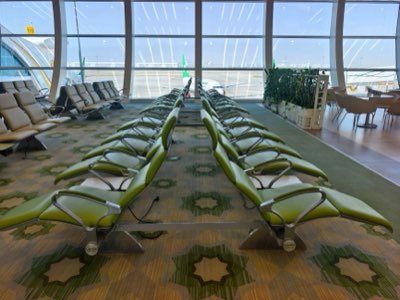
For transit travelers, the time of year can determine the quality of a short-term layover. If you only have 10 hours between flights, a summer layover might mean you stay inside the airport or a nearby mall, whereas a winter layover allows you to actually step out and see the sights.
Always coordinate your transit time with the season to ensure you aren't spending your entire layover trapped in a terminal.
| Season | Temperature Range | Best Activity Type | Travel Style |
|---|---|---|---|
| Winter (Oct-Apr) | 65°F - 85°F | Outdoor / Adventure | Sightseeing & Exploration |
| Summer (May-Sep) | 85°F - 110°F+ | Indoor / Luxury | Relaxation & Shopping |
| Shoulder (Apr/Oct) | 75°F - 90°F | Balanced / Mixed | Value-driven Exploration |
Quick Checklist for Timing Your Trip
- Identify your priority: Is it desert adventure (Winter) or budget luxury (Summer)?
- Check the religious calendar: Will your visit overlap with Ramadan?
- Plan the "Indoor/Outdoor" split: If traveling in summer, book hotels with excellent indoor amenities and proximity to transit.
- Verify event schedules: Check if major festivals like the Dubai Shopping Festival align with your dates.
- � 5. Pack accordingly: Bring light linens for the shoulder seasons and a light jacket for winter evenings.
A Note on Expectations
It is important to remember that no single time of year is "perfect" for everyone. If you are traveling with elderly family members or young children, the summer heat can be physically dangerous and should be approached with extreme caution.
Conversely, the peak winter season can lead to much higher costs and crowded landmarks. Always weigh your personal physical comfort and budget against the seasonal realities.
When I first flew into Dubai during a July afternoon, I remember stepping onto the tarmac and feeling like I had walked straight into a pre-heated oven. It was a stark reminder that the desert is a powerful force that dictates the terms of your visit.
FAQ
Q: Is there a bad time to visit? A: If your primary goal is walking tours and outdoor desert adventures, the peak summer months (June–August) can be very challenging and physically taxing.
Q: What is the best month for a Desert Safari? A: The cooler months between October and April provide the most comfortable and enjoyable conditions for desert excursions.
Q: How does the climate compare year-round? A: The climate ranges from pleasant and mild in the winter to extremely hot and humid in the summer, requiring a total shift in how you plan your daily activities.




Comments 0