Dubai Frame vs Palm Decks: Which View Defines Modern Dubai?
"Are you seeking a window into the soul of a city's history, or a front-row seat to the pinnacle of modern luxury?"
Choosing between the Dubai Frame and the Palm Jumeirah observation decks is a choice between two entirely different versions of the same city. One captures the tension between the past and the future, while the other celebrates the triumph of human engineering over the sea.
Key Takeaways
* The Visual Focus: The Dubai Frame offers a dual-perspective view of Old and New Dubai, while the Palm observation decks provide a sprawling, maritime panorama of luxury living and coastline. * The Experience Style: The Frame is an architectural journey through time; the)\ the Palm is a lifestyle immersion into the world's most famous man-made island. * The Decision Rule: Choose the Dubai Frame if you want to understand the city's growth and history; choose the Palm if you want to witness the sheer scale of modern luxury and coastal beauty.
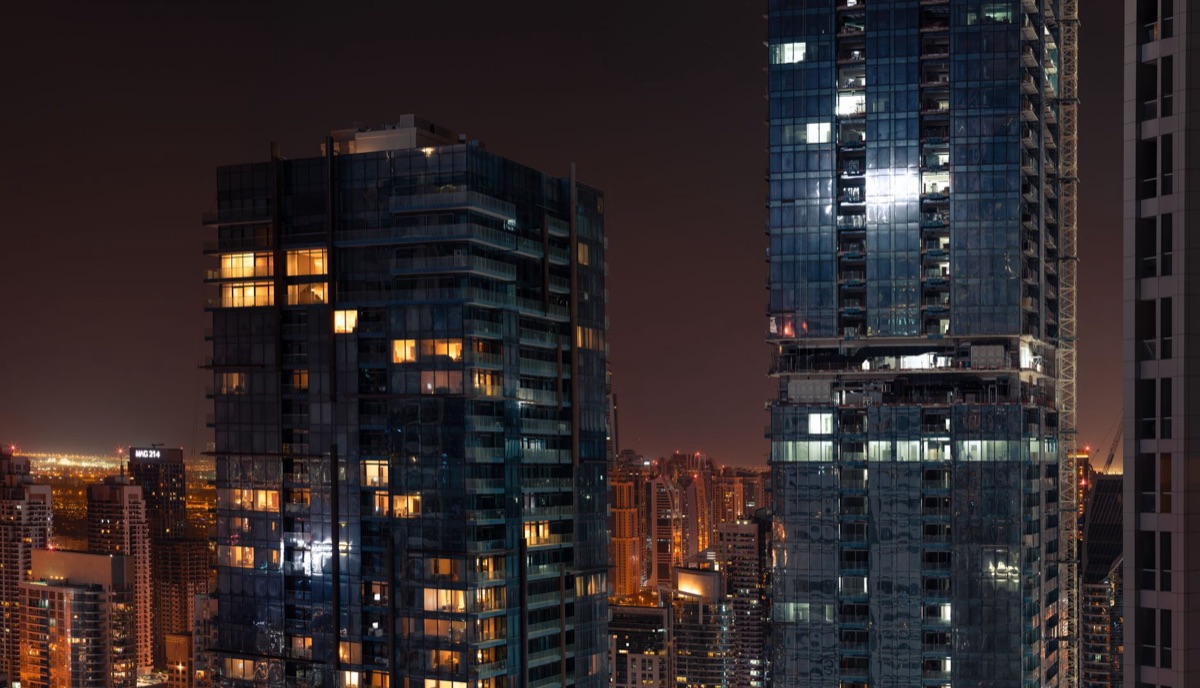
What does each deck say about Dubai's vision? The sun hits the gold-toned steel of the Dubai Frame at Zabeel Park at 10:00 AM, casting a long shadow over the greenery below. Standing at the base, you feel the massive scale of the structure, a literal bridge between two eras.
According to the World Bank, the United Arab Emirates recorded a share of internet users of 100.0% in 2024.
The Dubai Frame was designed to be a gateway. It is a massive, hollowed-out structure that physically separates the cityscape into two distinct chapters.
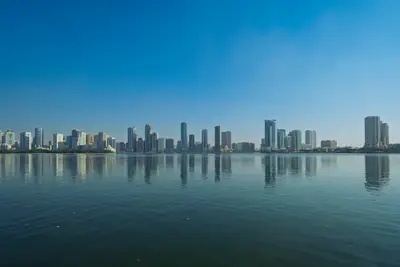
One side looks toward the historic districts and the sprawling residential areas of the "old" city, while the other faces the soaring skyscrapers and the futuristic skyline of Downtown and Sheikh Zayed Road.
It is an architectural timeline, intended to show how a desert outpost transformed into a global metropolis. In contrast, the observation points on the Palm Jumeirah—such as The View at The Palm—are built to celebrate the achievement of the island itself.
There is no "old" versus "new" here; there is only the triumph of the present.
The architecture is designed to pull your eyes outward toward the Arabian Gulf and the crescent-shaped geometry of the island. While the Frame is a window through which you watch the city, the Palm decks are the crown atop the city's greatest feat.
The choice depends on whether you want to see the city's evolution or its current peak.
But the architecture is only the beginning of the story.
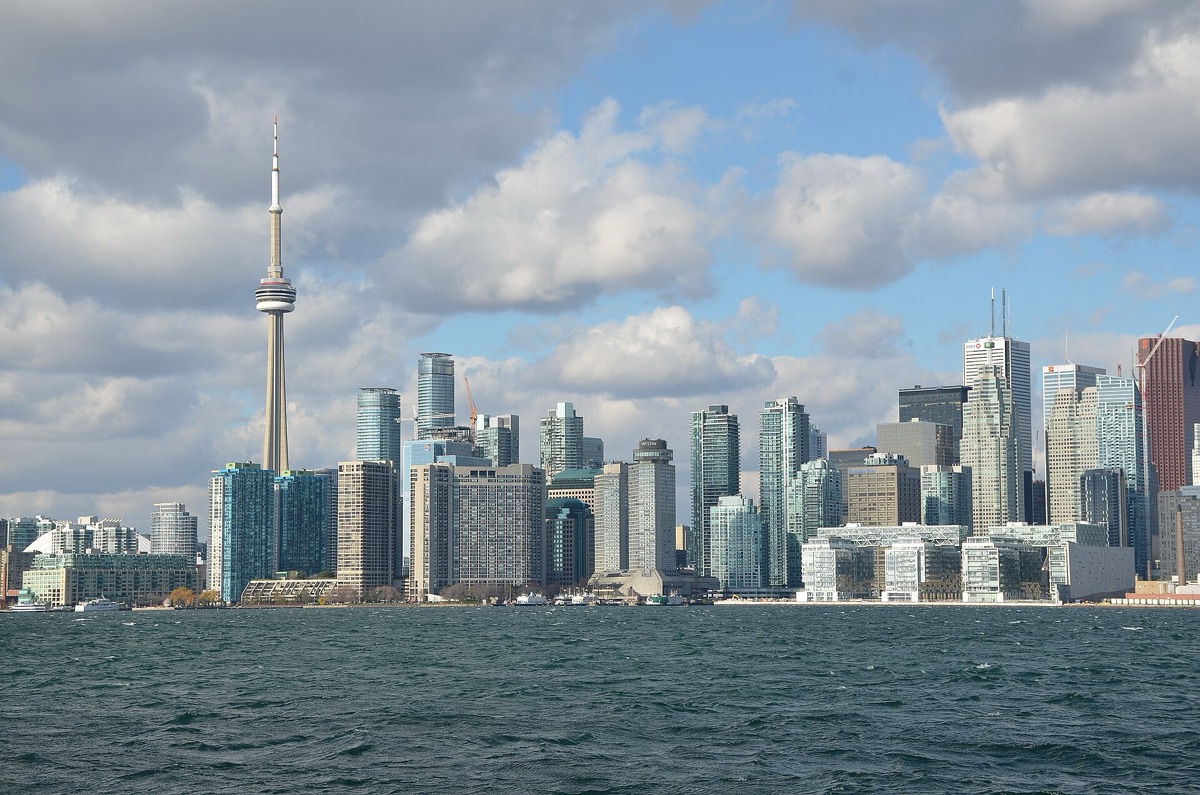
What awaits me beyond the view? A ticket is scanned at the ground level at 2:00 PM, and a glass elevator begins a smooth, silent ascent toward the clouds. The air inside the elevator is cool, and the transition from the ground to the sky happens in a matter of seconds.
At the Dubai Frame, the visit is a structured sequence. You enter at the bottom, ascend through the central pillar, and walk across a glass-floored bridge at the top. The movement is linear and purposeful.
It is an efficient way to spend about 60 minutes, making it a perfect stop between other urban activities. The logistics are straightforward, and the park setting makes the arrival and departure relatively easy to manage.
The experience at the Palm Jumeirah observation decks is often more about the "destination" lifestyle. Access usually involves traveling to the tip of the crescent, often via a scenic drive through the residential branches of the island.
The visit is less about a "walk-through" and more of a "stay-in" experience. You might spend time in a luxury lounge or a high-end café overlooking the water.
The logistics require more planning and travel time, especially if you are coming from the mainland, but the feeling of exclusivity is much higher. One is a transit through an icon; the other is a destination in itself. However, the real question is what you actually see when you get to the top.
Visual Payoff: What Are You Actually Seeing?
The wind whistles slightly against the glass as you step onto the observation deck at sunset, and the horizon stretches out in every direction. The colors of the city shift from the sandy tones of the older districts to the shimmering glass and steel of the skyscrapers.
The visual payoff of the Dubai Frame is the contrast. You aren't just looking at a view; you are looking at a juxtaposition. Through one side of the frame, you see the low-rise, sprawling texture of the older neighborhoods.
Through the other, you see the verticality and density of the modern metropolis. It is an ideal spot for photographers who want to capture the "then and now" narrative of a rapidly evolving city.
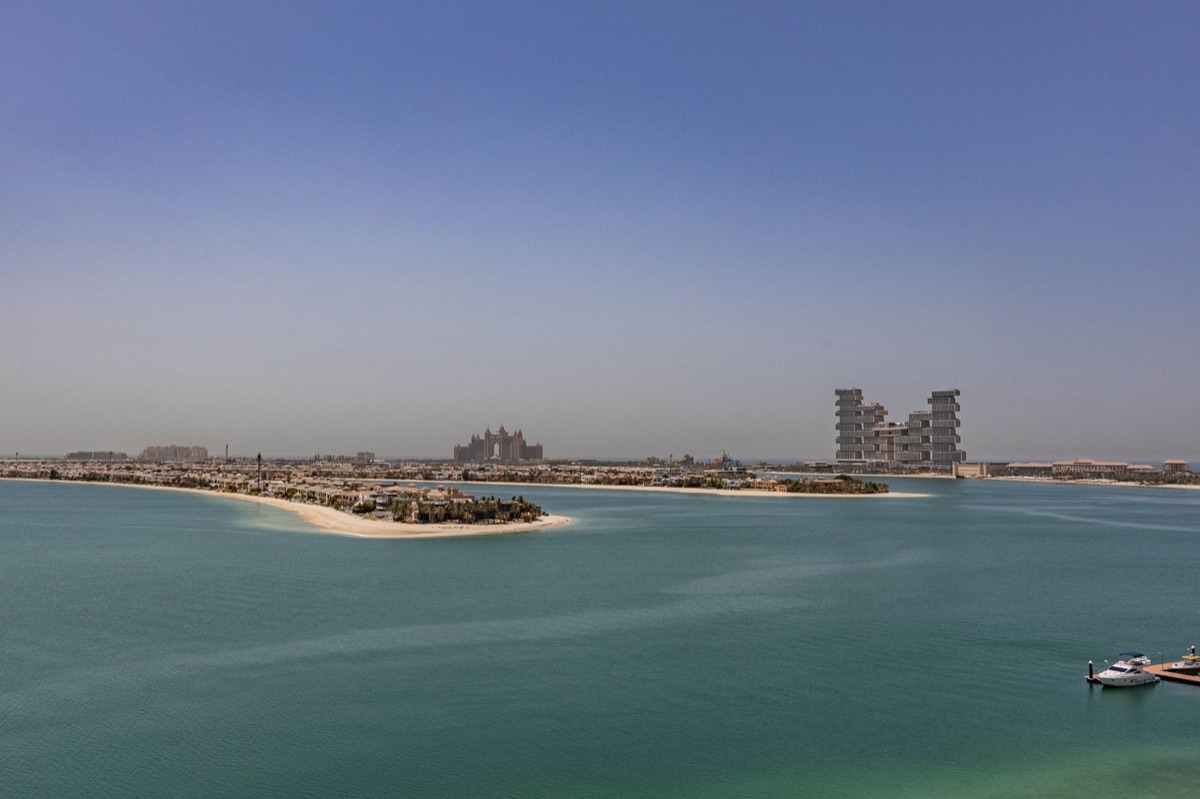
The Palm Jumeirah offers a different kind of visual satisfaction. The view is dominated by the turquoise water and the perfect, geometric symmetry of the palm leaves. You see the sprawling villas, the luxury resorts, and the vast expanse of the sea. It is a landscape of wealth and engineering.
If you want a photo that screams "modern luxury" and "coastal paradise," the Palm is the undisputed winner. The Frame tells a story of time; the Palm tells a story of space and sea. But is the view worth the cost?
Value Proposition: Worth the Ticket Price?
A hand reaches into a wallet to pull out dirhams at a kiosk, and the transaction is quick and seamless. The value of the experience is measured not just in the price paid, but in the memory captured.
Pricing for the Dubai Frame is generally mid-range and designed for mass accessibility. It is priced to allow families and solo travelers to experience a world-class landmark without a massive financial commitment.
The ROI is found in the unique perspective and the ability to see two versions of the city in one single visit.
The Palm observation decks often carry a higher price point, reflecting the premium nature of the location and the luxury amenities available. The cost is higher because you are paying for the exclusivity and the sheer prestige of being at the heart of the Palm.
For the luxury seeker, the price is a small trade-off for the feeling of being at the center of the world's most famous man-made structure.
The Frame is an accessible landmark; the Palm is a premium experience.
| Feature | Dubai Frame | Palm Observation Decks |
|---|---|---|
| Primary View | Old vs. New Dubai | Coastal/Island Panorama |
| Atmosphere | Historical/Architectural | Luxury/Lifestyle |
| Time Required | Approx. 1 hour | 2+ hours (including transit) |
| Best For | History and Urbanism fans | Luxury and Sea lovers |
| Travel Effort | Moderate (Central location) | Higher (Requires transit to the Palm) |
How to Plan Your Visit: A Step-by-Step Guide
When I first visited the Frame in 2025, I realized that timing and logistics make or break the experience. To ensure you don't waste time or money, follow this checklist.
- Check the Weather and Sunset Times: Always check the local forecast and sunset time for the specific date of your visit. Aim to arrive at the observation deck 30 minutes before sunset to catch the transition from day to night.
- Book Tickets in Advance: For both the Frame and the Palm, booking online can save you from long queues and ensure you get the time slot you want.
- Plan Your Transit: If choosing the Palm, allow at least 45 minutes for travel from the mainland to the tip of the crescent. If choosing the Frame, ensure you have enough time to walk through Zabeel Park.
- Dress for the Environment: Wear comfortable walking shoes and light, breathable clothing. The glass walkways and outdoor areas can get warm and require steady footing.
- Capture the Moment: Bring a portable power bank and a clean microfiber cloth for your camera lens to ensure your photos of the skyline and the sea are crisp.
One pairs with the soul of the city; the other pairs with the luxury of the coast.




Comments 0