Dubai's Foreigner Society: 42.5% Indian Migrants Shape Labor
"The landscape of the United Arab Emirates is defined not just by its skyline, but by the vast movement of people that fuels its daily operations."
The United Arab Emirates is characterized by a demographic structure where a significant majority of the resident population consists of foreign nationals. This guide examines the composition of the workforce and the resident population to understand how external contributors shape the nation.
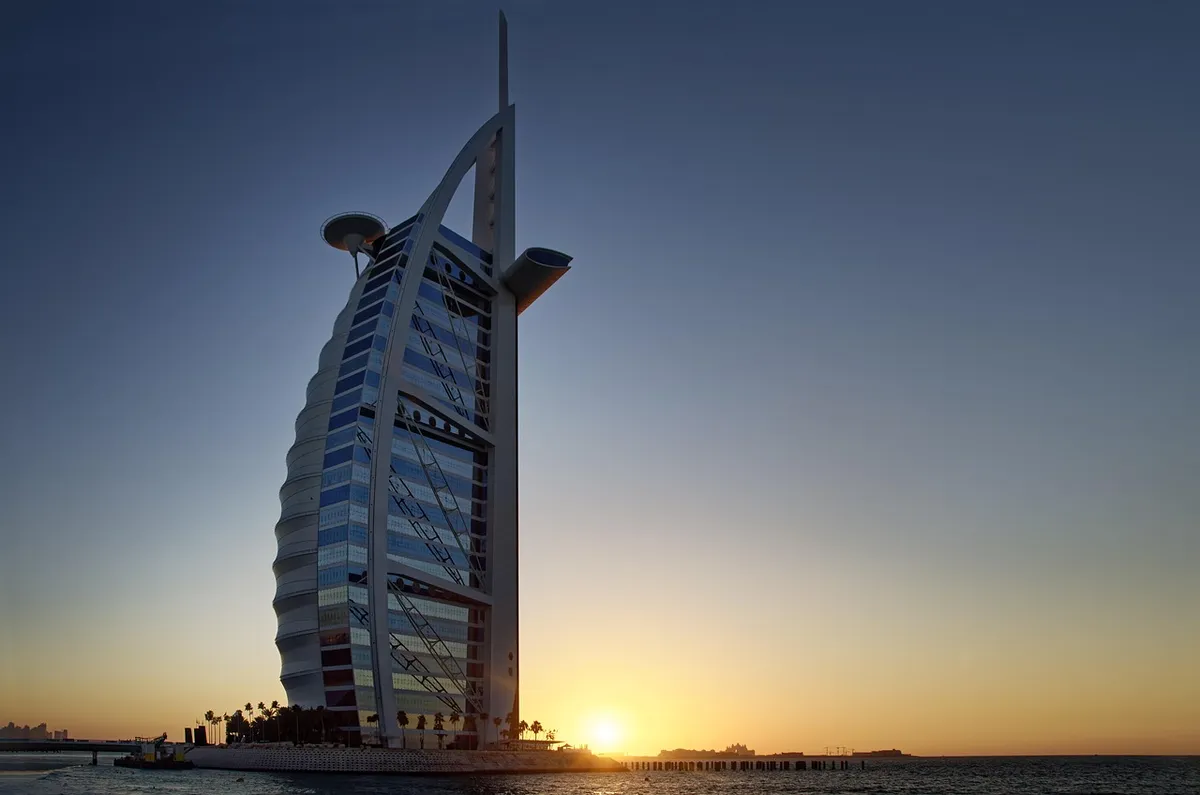
Key takeaways include an overview of the migrant-driven workforce, the specific proportions of various nationality groups, and the living conditions of labor populations.
What exactly is the expat life in Dubai like?
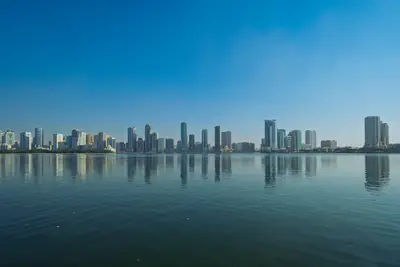
As evening falls over the glittering skyline of dubai, I wipe sweat from my brow while navigating the crowded, fragrant street markets. A traveler walking through the busy streets of a metropolitan hub might notice the wide array of languages and cultures intersecting at every corner. This constant motion defines the unique demographic reality of the region.
The resident population is heavily shaped by international movement, with migrants making up approximately 80% of the resident population. These individuals also account for 90% of the total workforce.
This massive influx of people creates a unique social fabric where the majority of the inhabitants are not local citizens.
A migrant society Dubai relies on this constant influx of talent and labor to sustain its rapid infrastructure development and service sectors. The sheer scale of the non-citizen population ensures that the economy remains highly active and globally connected.
How is the workforce structured in a Migrant society Dubai? Dubai's Foreigner Society
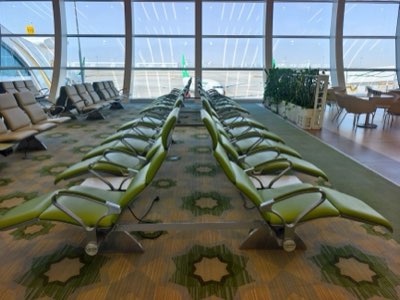
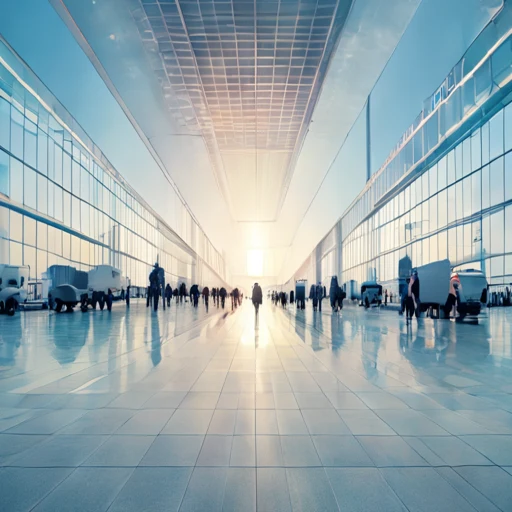
Looking at a crowded terminal or a construction site reveals the sheer volume of people contributing to the nation's growth. The workforce reflects a global tapestry of origins.
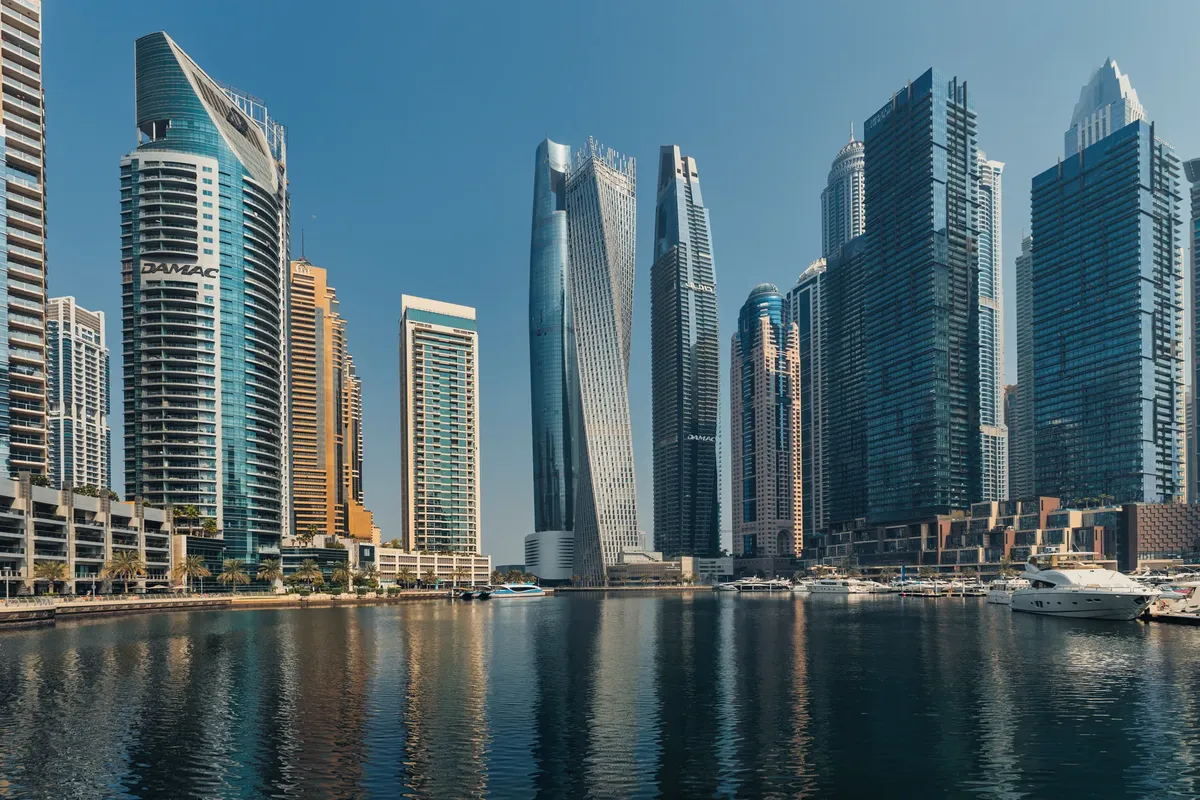
The workforce is heavily influenced by specific nationality groups, with Indian migrants constituting 42.5% of the UAE's workforce. This specific group plays a vital role in the various economic sectors across the country.
Managing such a diverse group requires navigating complex social and economic dynamics. A migrant society Dubai depends on these specialized labor groups to maintain its pace of life.
What struggles will I face living in Dubai? A worker returning to a residential camp after a long shift experiences the personal realities of a transient population. These lived experiences highlight the friction within rapid urbanization.
While the economy thrives, the living conditions for some can be difficult. In 2012, a workers' camp in Sonapur, Dubai, experienced a period where water was cut for 20 days and electricity for 10 days, alongside no pay for three months.
These incidents highlight the vulnerabilities present in large-scale labor environments. A foreigner in Dubai must navigate both the opportunities of the city and the precariousness of certain employment arrangements.
How does the population compare to other regions?
Comparing the scale of the UAE to other nations provides context for its unique density. A researcher looking at global demographic charts might note the stark difference in citizen-to-migrant ratios.
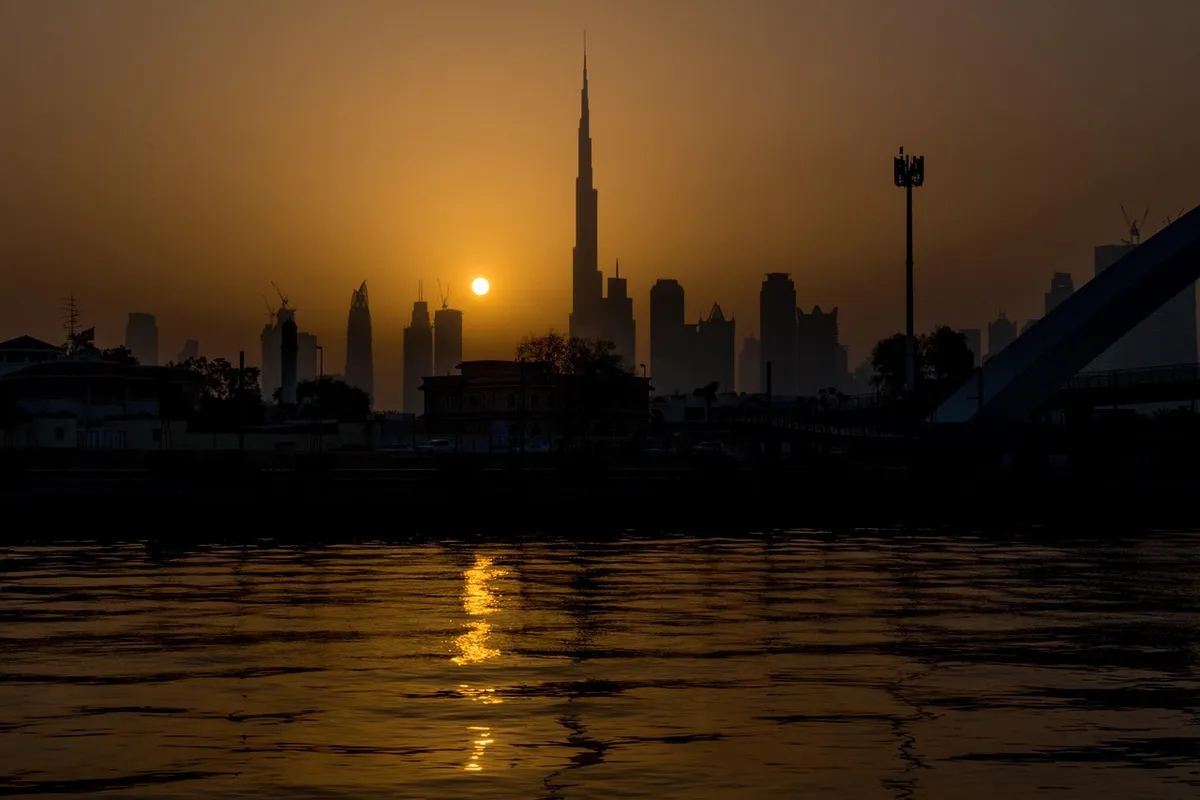
The scale of the population is significant within the regional context.
This figure represents the collective presence of both citizens and the vast resident population. The demographic weight of the nation is largely carried by those who move there for work.
What is the scale of the UAE's workforce?
An economist analyzing labor trends would see a workforce that is almost entirely comprised of non-nationals. This creates a specific type of economic dependency.
The workforce is highly specialized and diverse. Migrants, particularly migrant workers, make up approximately 80% of the resident population and account for 90% of the workforce.
Maintaining this balance is essential for the nation's stability. The workforce is the engine that drives the high-rise developments and service industries.
How do we understand the population mix?
A resident sitting in a cafe might observe that the demographic makeup is almost entirely composed of people from different nations. This creates a highly transient but productive environment.
The demographic reality is that the resident population is predominantly composed of non-citizens. This creates a unique social dynamic where the majority of the workforce is composed of international residents.
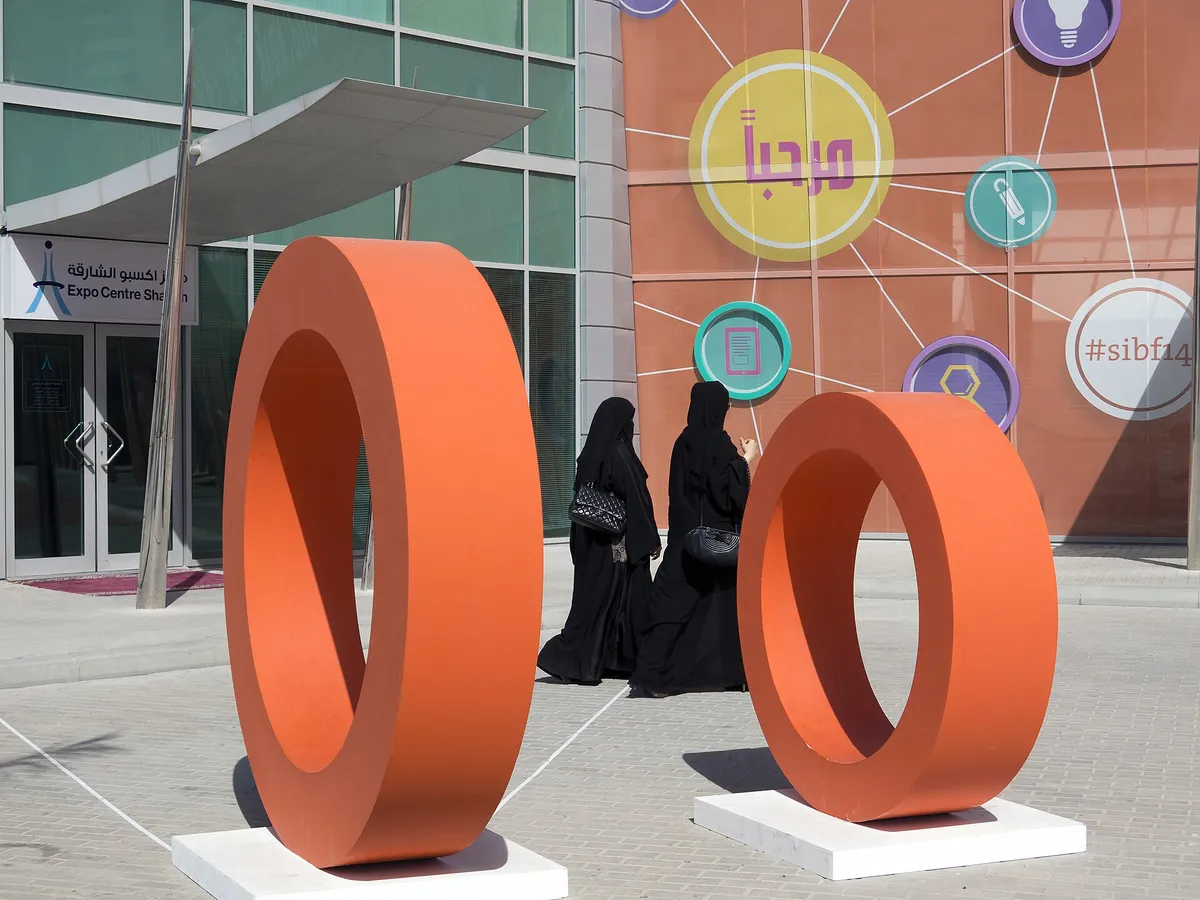
The population mix remains a central feature of the nation's identity. Understanding this mix is key to understanding the country's economic engine.
- What defines Dubai's Foreigner Society?
- How is the workforce structured in a Migrant society Dubai?
- What are the challenges of a Foreigner in Dubai?
The subject here is Dubai's Foreigner Society.
The same subject is also called Dubai expat community.
The same subject is also called Dubai's diverse ranks.
This part also covers 92 percent foreign residents.
This part also covers Multicultural Dubai life.
This part also covers Dubai's population mix.
Related
- Dubai Airport Guide: 51% Passenger Operations
- Dubai rapid growth: Guide to vertical architecture's rise
What is the role of the landscape in this demographic reality?
The landscape of the United Arab Emirates is inextricably linked to the movement of its population, which drives the nation's operations. This movement sustains the rapid development seen in the modern urban environment.
The sheer scale of the non-citizen population is what allows the economy to remain globally connected and highly active.
How does this influx affect the nation's identity?
The identity of the nation is shaped by this constant influx of diverse individuals. The majority of the resident population, which is predominantly composed of non-citizens, contributes to this unique social fabric.
This demographic reality is a defining characteristic of the modern United Arab Emirates.
What is the significance of the scale of the population?
This total figure underscores the demographic weight carried by the transient and resident communities alike.
Wikipedia: Music of the United Arab Emirates (full) Based on the retained excerpt mentioning Grammy Recording Academy: In June 2022, Ihab Darwish became the first Emirati invited to be a voting member of the Grammy Recording Academy.


Comments 0