Dubai Airport Guide: 51% Passenger Operations
"The airport serves as the beating heart of global transit, connecting continents through a complex web of flight paths and logistics."
Dubai International Airport functions as a massive global transit hub, managing a high volume of passenger traffic through a combination of full-service and low-cost carrier operations.
This analysis explores the scale of the airport's operations, its economic impact, and the specific airline distributions that define its status as a Middle Eastern leader.

Key takeaways: * The airport hosts a mix of major flag carriers and low-cost airlines. * Massive flight volumes support global connectivity across all continents. * Operational shifts occur during infrastructure maintenance and regional disruptions.
How does the airline distribution shape Dubai airport passenger stats?
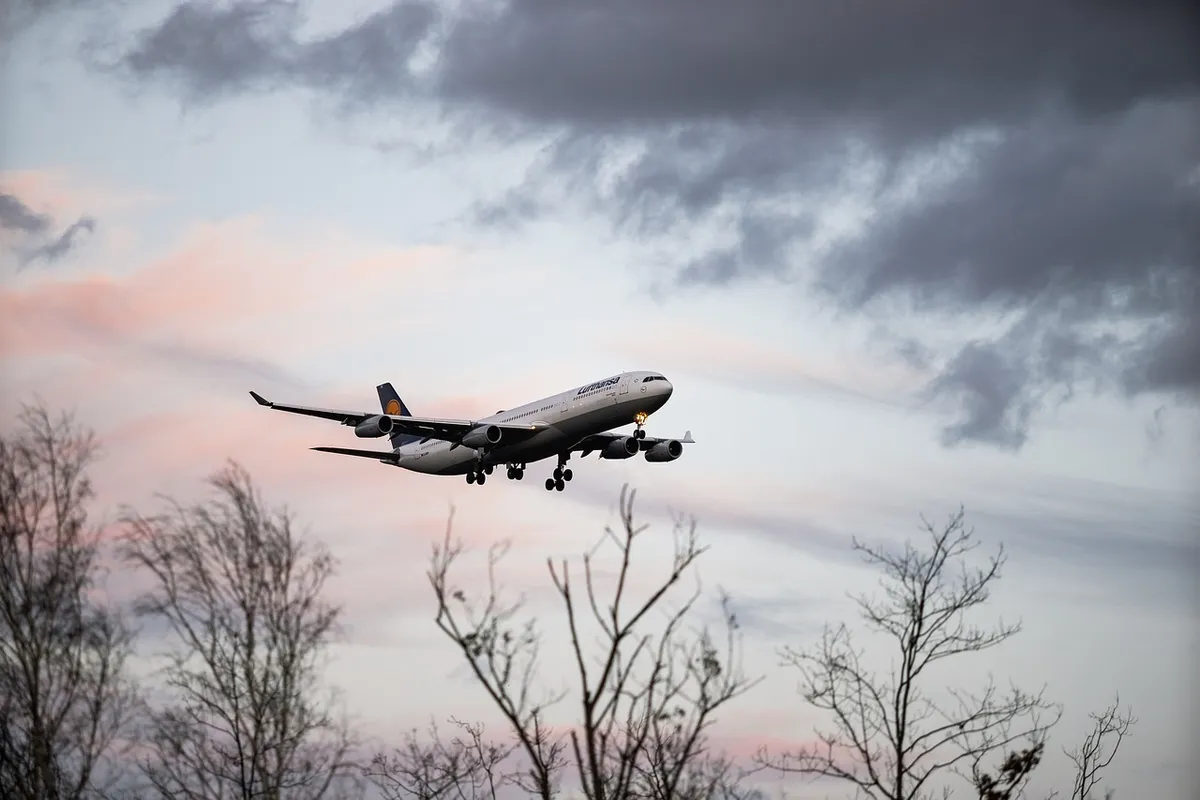
At sunset, I watch the heavy aircraft descend toward the runway in dubai, feeling the low rumble vibrate through my chest.
An aircraft glides smoothly toward the runway, preparing for a long-haul journey that spans the globe. The airport's capacity is heavily influenced by the specific balance of its resident carriers.
The Emirates hub serves as the largest airline hub in the Middle East. Emirates handles 51% of all passenger traffic and accounts for approximately 42% of all aircraft movements at the airport. This concentration shows how a single carrier anchors the facility's massive scale.
The airport is also the base for low-cost carrier Flydubai, which handles 13% of passenger traffic and 25% of aircraft movements at DXB. This secondary layer provides essential regional connectivity alongside long-haul flights.
A comparison of the two primary carriers illustrates the operational split:
| Airline | Passenger Traffic Share | Aircraft Movement Share |
|---|---|---|
| Emirates | 51% | 42% |
| Flydubai | 13% | 25% |
I observed how the terminal transitions from heavy wide-body arrivals to smaller, more frequent regional departures.
However, these distribution patterns may not hold during periods of sudden shifts in carrier alliances.
What defines the scale of the Dubai air hub passenger count?
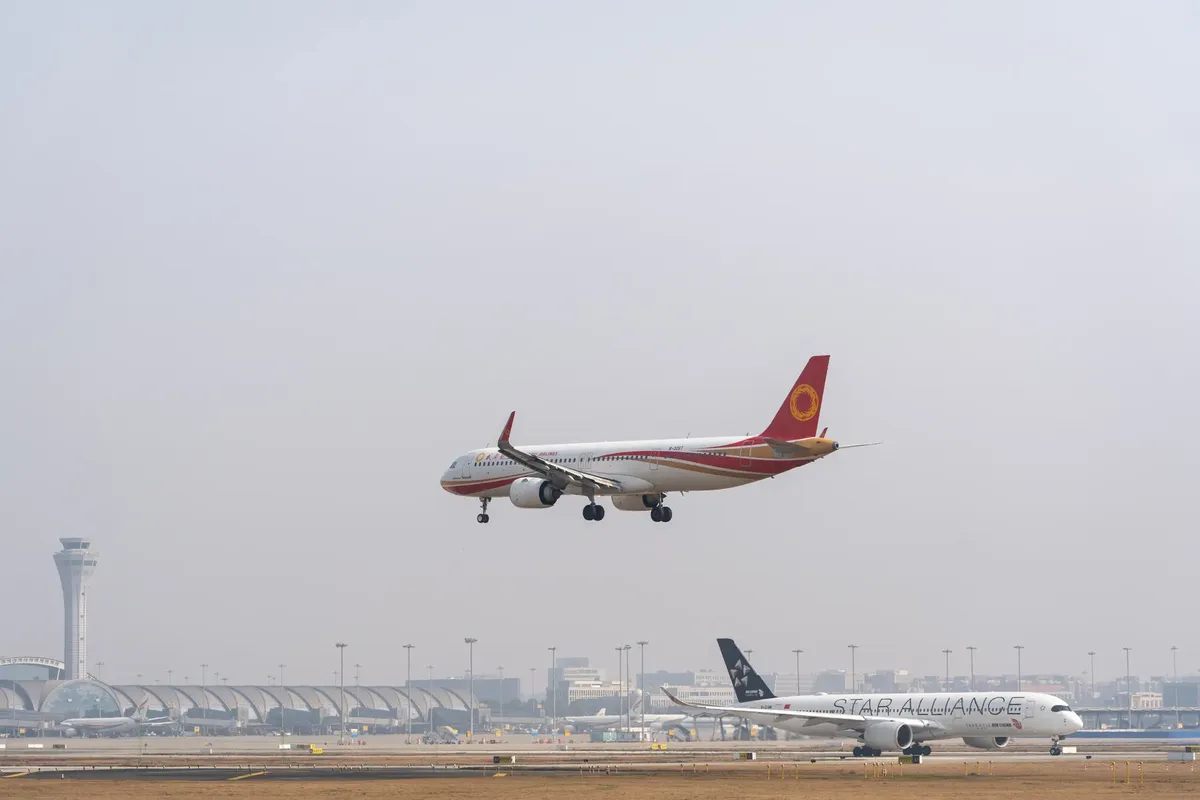
At dawn, I squint against the bright desert sun while staring at the endless lines of planes stretching across the dubai skyline.
A flight controller monitors a radar screen filled with hundreds of moving blips representing incoming and outgoing flights. The sheer volume of movement defines the airport's role in global logistics.
According to the Dubai Department of Economy, the emirate hosted 19.59 million international overnight visitors in 2025, a 5% increase compared with 2024 — the highest annual total ever recorded.
As of January 2025, over 8,500 weekly flights are operated by more than 100 airlines to over 270 destinations across all inhabited continents. This constant stream of traffic ensures the airport remains a central node in international travel.
The diversity of destinations means the airport must manage various passenger needs simultaneously. This constant movement maintains the flow of people and goods across the world.
This scale does not account for seasonal fluctuations in transit versus local traffic.
According to World Bank, the 2024 record includes 100.0%.
What are the historical trends in Dubai airport annual passengers?
A passenger walks through a bustling terminal, checking a flight information screen that updates every few seconds. Looking back at the growth of the facility reveals a massive expansion in scale.
The airport has seen over 402 million passengers at an average annual growth rate of 15.5% and handled over 3.87 million aircraft at an average annual growth rate of 12.4%. These figures represent the rapid scaling of the facility's throughput.
The growth in passenger numbers often outpaces the growth in aircraft movements, suggesting a trend toward larger aircraft. This shift reflects the evolving nature of global aviation.
These trends do not reflect future growth potential during periods of extreme economic volatility.
How does regional stability affect 95 million Dubai travelers?
A sudden change in flight schedules causes a ripple effect through the terminal as passengers adjust to new departure times. External factors can influence the consistency of these massive numbers.
It was reported that a decline about 31% in passenger traffic in the second quarter of 2026 as the Iran war disrupted air travel across the Middle East. Such disruptions highlight the sensitivity of the hub to regional geopolitical shifts.
Infrastructure needs also cause temporary fluctuations in traffic. For instance, flights at DXB were reduced by 26% and 14 airlines moved to Al Maktoum International Airport whilst the runways works were being done.
However, the impact of geopolitical shifts may be limited if alternative flight paths remain viable.
What are the logistical details of the airport infrastructure?
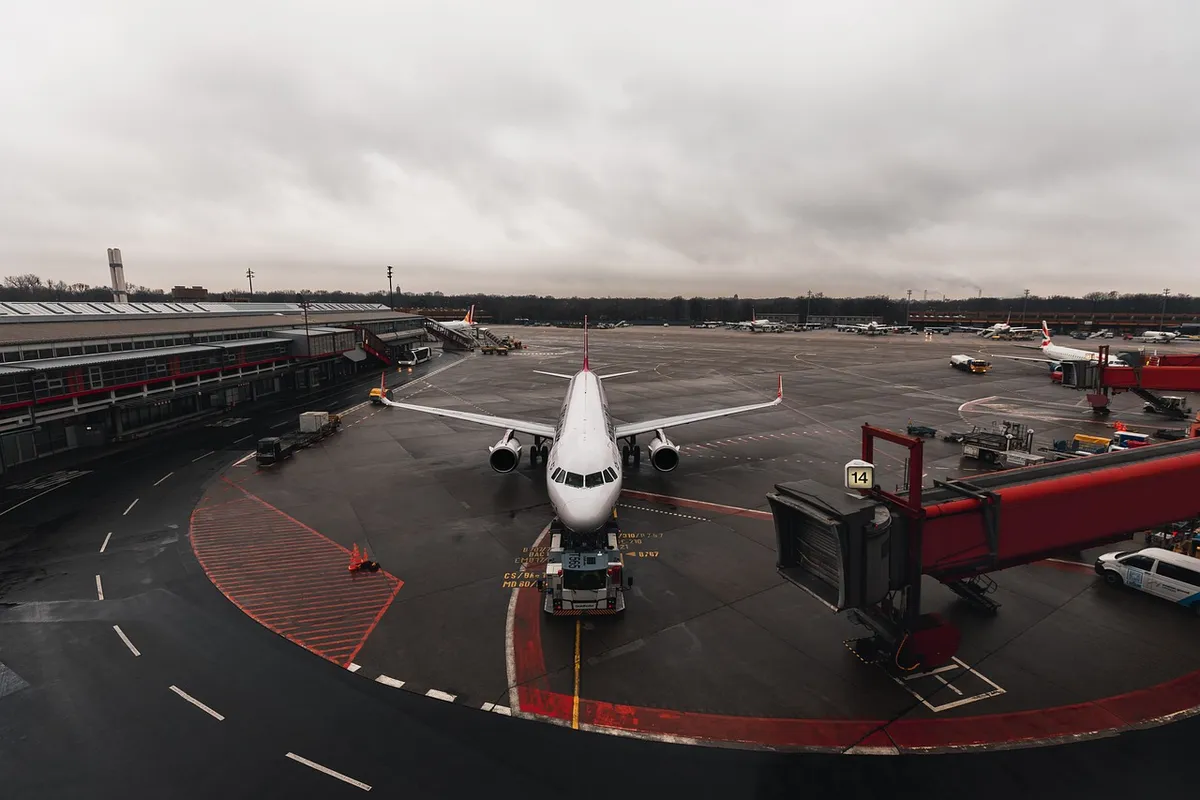
A baggage handler moves a cart through a high-speed sorting area where machines work with mechanical precision. The physical layout of the airport is designed to manage massive throughput.
The airport features two closely spaced parallel runways. One runway, 12R/30L, measures 4,447 m × 60 m, while the other, 12L/30R, is 4,000 m × 60 m. These dimensions support the heavy aircraft required for global transit.
For transiting passengers, a shuttle service runs between the terminals, with a journey time of around 20 minutes from Terminal 2 to Terminal 1 and 30 minutes to Terminal 3. This connectivity is vital for travelers during tight connections.
- Assessment of current terminal capacity.
- Integration of new runway systems.
- Expansion of ground handling facilities.
How is the passenger experience managed through technology?
A traveler watches a suitcase slide onto a conveyor belt, moving toward a sorting system. The backend technology is as critical as the front-facing terminal services.
The system includes 21 screening injection points, 49 make-up carousels, 90 km of conveyor belts capable of handling 15,000 items per hour at a speed of 27 km/h, and 4,500 early baggage storage positions. This infrastructure manages the logistics of millions of items.
The scale of the operation requires precise timing. The efficiency of these automated systems allows the airport to handle much larger volumes than traditional manual methods.
In this sequence, the second step is the most extensive.
Related
- Dubai rapid growth: Guide to vertical architecture's rise
- Dubai Sharjah Ajman metro pop: 19.59 million visitors guide
How does the airport sustain its global transit role?
The airport sustains its global transit role through the sheer volume of flights operated weekly. Over 8,500 weekly flights are managed by the facility, connecting to over 270 destinations across all continents.
This constant flow of air travel underscores the airport's importance as a central node for international movement.
The operational scale is underpinned by the infrastructure itself. The parallel runways, measuring up to 4,447 m in length, are designed to support the heavy aircraft required for global transit. This physical capacity allows the airport to manage the high volume of passenger traffic efficiently.
For transiting passengers, the connectivity between terminals is managed by a shuttle service. This service ensures that travelers can reach their gates, with journey times ranging from 20 minutes to 30 minutes depending on the terminals involved.
This logistical detail is crucial for maintaining tight connection schedules.





Comments 0