Dubai Food Guide: 3 Cultures Meet in Spice Symphony
"In Dubai, the table is a vessel that holds the entire world."
A culinary journey through Dubai offers a unique intersection of traditional desert flavors and extravagant global fusion. From heritage Emirati dishes to the vibrant spices of Indian and Levantine cuisines, this city provides a sensory map of human migration and trade.
* Experience a blend of traditional Emirati heritage and international fusion. * Allocate 2–3 hours per meal to fully appreciate the diverse flavor profiles. * Book reservations in advance for restaurants with scenic views.
Why is Dubai's food scene so captivating?
The midday sun beats down on the narrow, winding alleys of the Deira district, where the sharp, intoxicating scent of spices catches in the back of your throat.
Smoke from charcoal grills drifts between buildings, serving as a sensory reminder that this city has long been a crossroads of global trade.
According to the Dubai Department of Economy and Tourism (DET), the emirate hosted 19.59 million international overnight visitors in 2025, a 5% increase compared with 2024—the highest annual total ever recorded.
The culinary landscape of Dubai is built on three distinct pillars. First is the local Emirati cuisine, which serves as the foundation of the region. Second is the influence of Levantine and Arab flavors from neighboring Middle Eastern countries.
Finally, there is the massive wave of international fusion created by a global population. These layers of flavor collide to create a dining scene that feels both ancient and cutting-edge.
Dubai offers a spectrum of dining, from Michelin-starred luxury in high-rise hotels to humble street food in the souks of Old Dubai. One traveler might spend a fortune on a tasting menu overlooking the skyline, while another finds joy in a piece of freshly baked bread from a roadside stall.
This extreme coexistence of luxury and local grit defines the city's identity.
But to truly understand the soul of these flavors, you have to look past the neon lights and toward the desert roots.
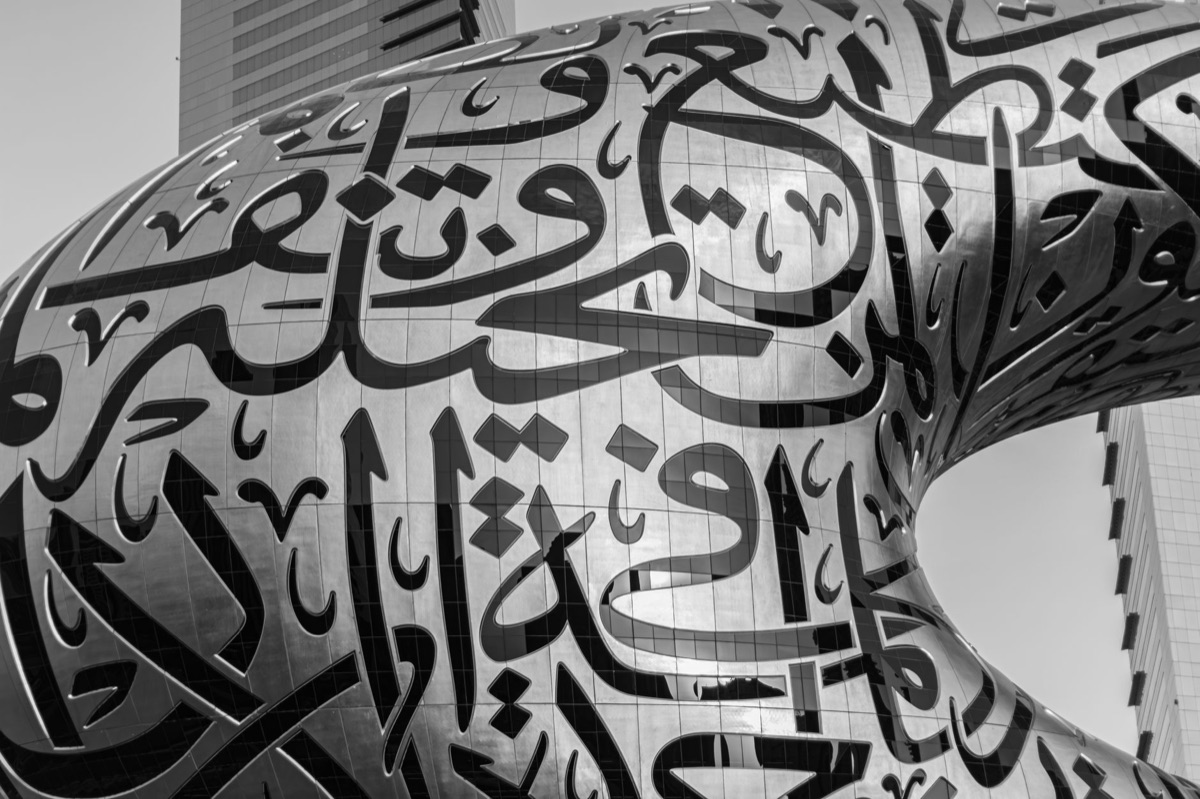
What does traditional Emirati cuisine actually taste like? In the quiet of an early morning, the aroma of Gahwa—traditional Bedouin coffee—fills a sunlit living room. A small, handleless cup of spiced coffee sits beside a plate of sweet, sticky dates, a classic symbol of hospitality.
Emirati cuisine is a testament to survival and ingenuity in a desert environment. Because of the harsh climate and the history of nomadic life, dishes often focus on ingredients that are easy to store and provide high energy.
* Key Dishes and Characteristics * Machboos: A fragrant rice dish heavily seasoned with spices and loaded with meat or fish, serving as a staple of the local diet. * Harees: A slow-cooked, porridge-like dish made from wheat and meat, often served during festive gatherings. * Luqaimat: Sweet, deep-fried dough balls drizzled with date syrup, perfect for sharing over tea.
Many of these traditional recipes are now being reimagined in modern, high-end restaurants. Chefs are preserving original spice blends while presenting them with sophisticated, contemporary plating. But how do these desert flavors change when they meet the neighbors of the Middle East?
How do Lebanese and Arab flavors differ from local traditions?
As evening approaches, you step into a brightly lit Lebanese restaurant where the table is instantly crowded with colorful plates of Mezze. Small dishes of hummus, tabbouleh, and falafel arrive in waves, turning the meal into a visual feast.
Middle Eastern flavors form a massive part of the Dubai dining experience. Lebanese cuisine, in particular, is a favorite among travelers due to its heavy use of fresh vegetables, olive oil, and herbs, offering a lighter and fresher profile than some of the heavier meat dishes.
| Dish Type | Primary Characteristics | Best For |
|---|---|---|
| Mezze | A variety of small appetizers, dips, and salads | Sharing among a group |
| Grill | Charcoal-grilled meats like lamb or chicken | A hearty, filling main course |
| Hummus & Wraps | Chickpea-based dips and handheld sandwiches | A light lunch or quick snack |
These dishes are designed for social connection; they are best enjoyed when ordered in large quantities and shared among friends. The constant interplay of acidity, herbiness, and creamy textures makes every bite a discovery.
Yet, for those seeking something more intense, there is another culinary force waiting.
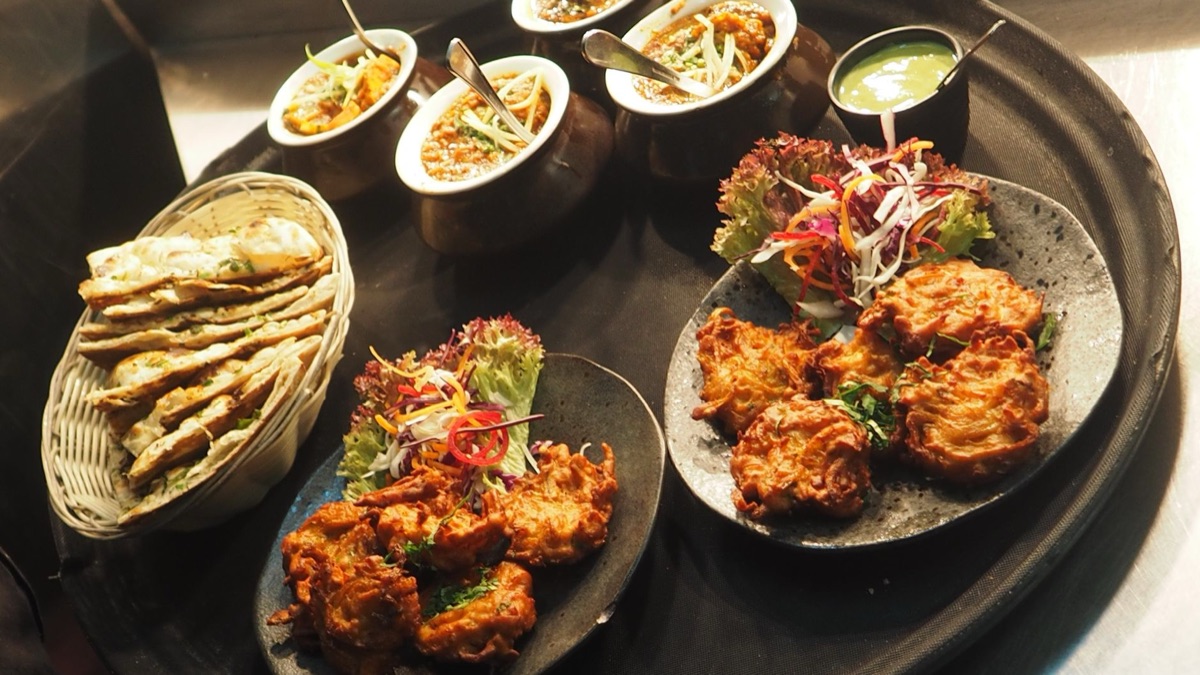
Will the spices of India and Pakistan explode my senses? In the bustling neighborhoods where South Asian communities gather, the air is thick with the heavy, unmistakable scent of curry. Tearing into a piece of warm, pillowy naan and dipping it into a rich, spiced gravy creates a flavor profile that is both comforting and complex.
Because a significant portion of Dubai's population has roots in India and Pakistan, South Asian influence is woven into the city's fabric. While authentic Indian food is available everywhere, the depth of flavor varies significantly between casual eateries and fine-dining establishments.
* Recommended Menu Items * Butter Chicken: A creamy, tomato-based sauce that is a crowd-pleaser for all palates. * Biryani: A fragrant, layered rice dish cooked with meat and a complex blend of spices. * Tandoori: Meat marinated in yogurt and spices, then roasted in a clay oven for a smoky, tender finish.
The food here is about more than just heat; it is about the intricate balance of hundreds of different spices. For those seeking authentic, old-world flavors, the eateries in Old Dubai are a must-visit, while the Marina and Downtown areas offer more polished environments.
To navigate this, you need a plan.
A practical guide for your culinary expedition
Walking into a restaurant, you might find yourself scanning the room—observing the decor, the dress code of the patrons, and the general energy of the crowd. Some guests are in formal attire, while others are in casual summer wear, yet everyone is focused on the ritual of the meal.
When I first arrived in the city, I spent my first evening wandering through the souks, realizing that a single meal could cost as little as 30 dirhams or as much as 3,000 dirhams depending on the district.
According to World Bank data, the United Arab Emirates recorded a share of internet users of 100.0% in 2024.
To ensure your food tour is a success, follow these practical steps:
- Master the Art of Reservation: For restaurants with a view or those ranked highly by critics, booking 2–3 weeks in advance is essential. Weekend dinners are particularly difficult to secure without a plan.
- Understand Regional Themes: Plan your itinerary by district. For luxury dining, focus on Downtown and Dubai Marina; for local authenticity and better value, head to Deira and Old Dubai.
- Respect Cultural Sensitivities: As an Islamic country, always be mindful of pork and alcohol availability. During the holy month of Ramadan, check specific dining hours as many restaurants may change their schedules.
- Prepare Your Payment Methods: While credit cards are accepted almost everywhere, keep some cash on hand for small shops or traditional stalls within the local souks.
Once you have the logistics handled, you can focus on the ultimate prize: the view.
Finding the perfect balance of view and flavor
You sit at a table, looking out through a floor-to-ceiling window at the sprawling city skyline as the sun sets. In Dubai, a great view is often as much a part of the meal as the food itself.
To maximize your experience, you must balance the setting with your appetite.
* Downtown Dubai: This area is the heart of luxury, offering meals with the Burj Khalifa and the Dubai Fountain as your backdrop. It is expensive but perfect for celebrations. * Dubai Marina & Palm Jumeirah: These spots provide sweeping views of the ocean and luxury yachts. It is the ideal setting for sophisticated international cuisine. * Old Dubai: For those who prefer history and atmosphere over skyline views, this area offers deep flavors and a glimpse into the city's original soul at a much lower price point.








Comments 0