Burj Khalifa Decks: 124th vs 148th Floor View Guide
Conquer the heights of Dubai’s modern marvel: A deep-dive comparison to match your visit to the perfect Burj Khalifa viewing experience.
Choosing between the lower observation decks and the ultra-exclusive higher levels is the difference between seeing a city and feeling like you are hovering above the world.
* Different observation decks offer distinct views and experiences, such as the 124th versus the 148th floor. * Advance booking is crucial to secure optimal pricing and specific time slots. * The visit serves as a perfect centerpiece to a broader Dubai itinerary involving desert safaris or souk tours. * Understanding logistical realities, like temperature changes and elevator history, ensures a smoother ascent.
Should I visit the 124th or 148th floor? The elevator doors slide open, and the sudden shift in air pressure makes your ears pop as you step into a space that feels suspended between the clouds and the desert floor.
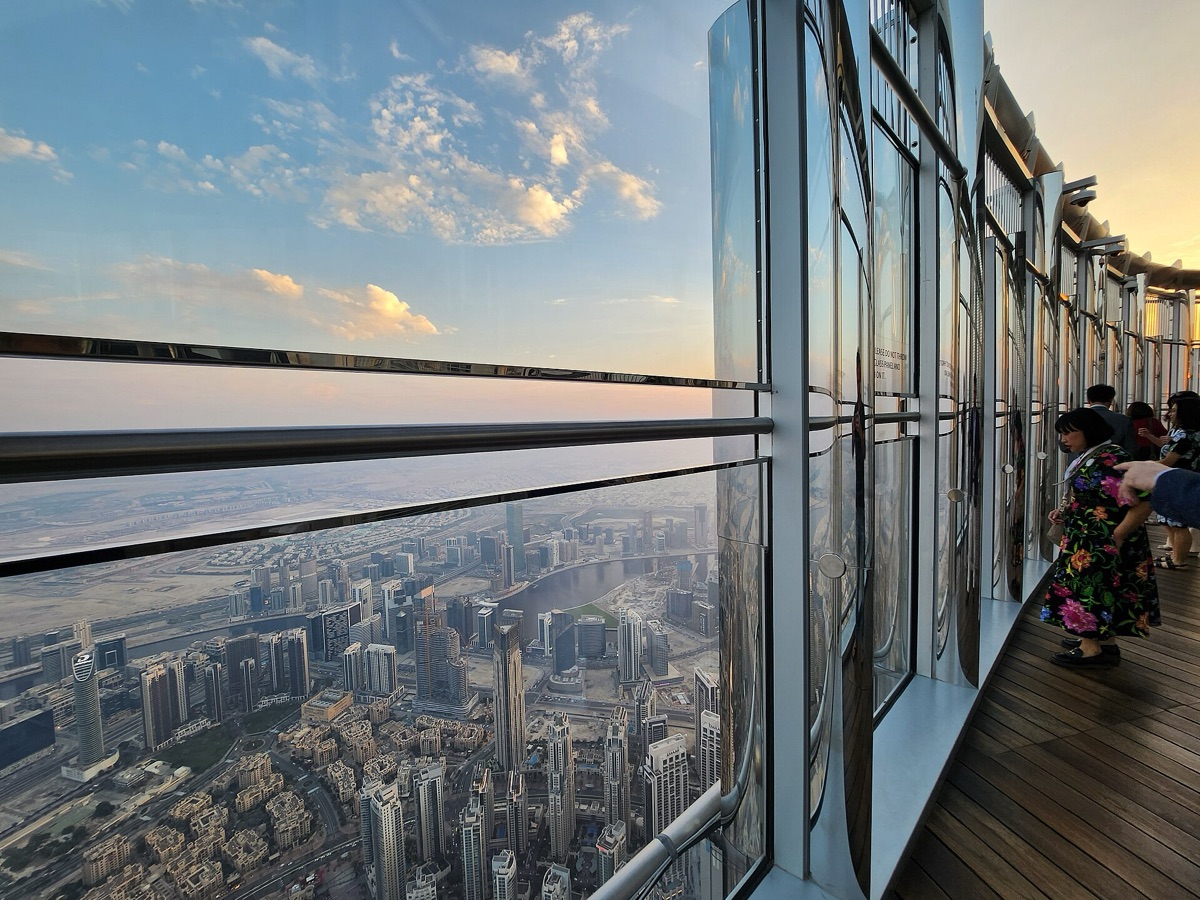
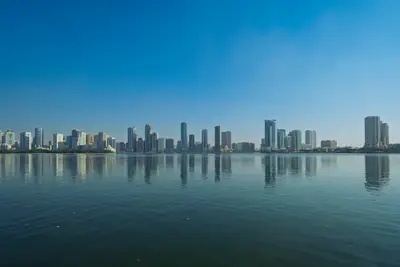
You look out through the floor-to-ceiling glass, and the sprawling metropolis of Dubai looks like a miniature model kit laid out on a vast, sandy canvas.
The primary choice for most visitors is between the standard observation decks on the 124th and 125th floors and the much higher, more exclusive levels. The lower decks provide a sweeping, wide-angle view of the entire city, including the Persian Gulf and the sprawling suburbs.
It is a massive, bustling space designed for high-volume tourism, offering a sense of scale that is almost overwhelming.
In contrast, the higher levels—specifically the 148th floor—offer a much more intimate and quiet atmosphere. While the lower decks are about the sheer magnitude of the city, the higher levels are about exclusivity.
The price difference reflects this; the premium tickets for the higher floors are significantly more expensive, but they provide a lounge-style setting with much less crowding.
For those seeking a quiet moment to contemplate the architecture, the higher deck is the clear winner, whereas the lower deck is perfect for those who want the classic "top of the world" photo without the luxury price tag.
But how do you actually manage the logistics of getting there without losing your mind in the crowds?
When should I go and how do I get tickets? Standing in a long queue under the midday sun in July 2026, you realize that the heat of the Dubai streets is a far cry from the controlled climate of the tower's interior.
You check your phone, hoping your pre-booked slot arrives soon so you can escape the humidity and reach the cool, breezy heights.
Timing your visit is just as important as choosing your floor. To reduce the daily rush of sightseers, management allows visitors to purchase tickets in advance for a specific date and time, at a 75% discount on tickets purchased on the spot.
If you walk up to the ticket counter without a reservation, you will likely pay a much higher premium and may find yourself stuck in a line that stretches through the Dubai Mall.
When planning your ascent, consider the transition in environment. The exterior temperature at the top of the building is thought to be 6 °C (11 °F) cooler than at its base. This temperature drop is noticeable, especially if you transition from the sweltering street level to the high-altitude decks.
Additionally, remember that operational history matters; on 8 February 2010, the observation deck was closed to the public for two months after power-supply problems caused an elevator to become stuck between floors, trapping a group of tourists for 45 minutes.
While modern maintenance is rigorous, always check for any scheduled maintenance or temporary closures before you head to the Downtown district.
However, the view is only half the battle; you also have to figure out how to fit this into your actual vacation.
Beyond the View: Integrating Your Dubai Journey
The sun begins to dip below the horizon, turning the desert sands into a sea of liquid gold, and you realize that the view from the tower is just one chapter of a much larger story. You transition from the vertical heights of the city to the horizontal expanses of the surrounding desert.
A visit to the Burj Khalifa is rarely a standalone event; it is usually the centerpiece of a larger Dubai itinerary. For many, the morning is spent exploring the gold and spice souks in Old Dubai, followed by a late-afternoon ascent to catch the sunset.
Others might pair a morning visit with a luxury shopping spree at the Dubai Mall or a late-afternoon desert safari.
Because the tower is located in the heart of Downtown Dubai, it integrates perfectly with other high-end experiences. You can easily transition from the observation deck to a fine-dining experience in the surrounding district or head toward the Palm Jumeirah for a seaside evening.
The tower represents the modern vision of the UAE—a testament to human ambition—which contrasts beautifully with the Bedouin heritage you might experience during a traditional desert camp dinner.
But before you step into that elevator, there are practical realities you need to prepare for.
Visitor Logistics: What to know Before You Go
Walking through the polished marble lobby of a luxury hotel in 2026, you feel the weight of the city's ambition, but you also remain mindful of the local customs that govern this desert metropolis.
You adjust your attire to ensure you are respectful of the local culture while staying comfortable in the heat.
When visiting the Burj Khalifa, it is important to respect local dress codes. While the tower is a global tourist hub, Dubai is a place where modest dress is appreciated, especially when moving between the tower and other public spaces.
It is wise to carry a light jacket or wrap, as the air conditioning in the tower can be quite chilly compared to the outdoor heat.
The scale of tourism in this region is massive, reflecting Dubai's status as a global crossroads. For context, the United Arab Emirates recorded international tourist arrivals of 8,084,000 in 2020, according to World Bank data.
This high volume of travelers means that logistics—like transport via the Dubai Metro or pre-booked taxis—are essential to avoid wasting precious vacation time.
| Feature | 124th/125th Floor | 148th Floor |
|---|---|---|
| Atmosphere | Bustling, high-energy | Quiet, luxury lounge |
| Crowd Level | High-volume tourism | Exclusive, limited guests |
| Price Point | Standard/Budget-friendly | Premium/Luxury |
| Best For | Families and photographers | Couples and luxury seekers |
How to Plan Your Perfect Visit
To make the most of your time, follow this checklist to ensure you don't miss the magic of the skyline.
- Book in Advance: Secure your tickets online at least two weeks before your trip to lock in the 75% discount and your preferred time slot.
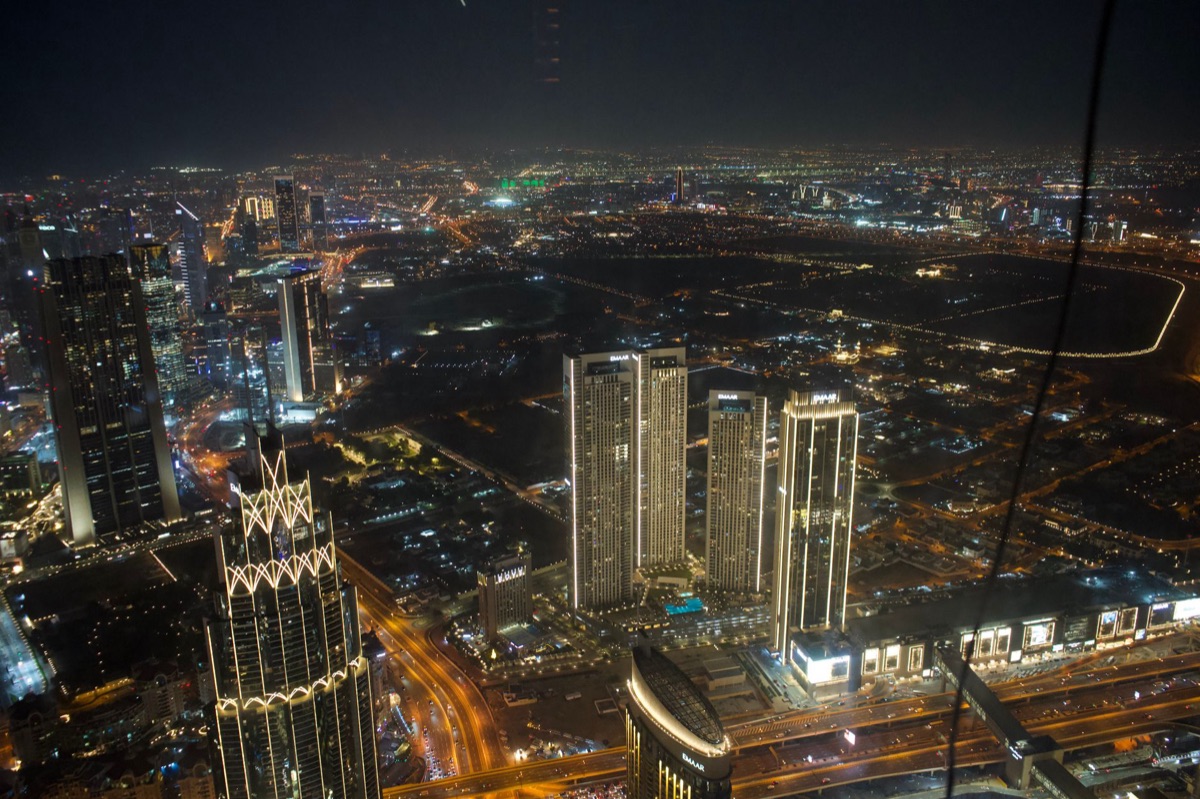
- Time Your Arrival: Aim for a slot 30 minutes before sunset to experience both the daytime clarity and the golden hour transition.
- Layer Your Clothing: Wear breathable fabrics for the street, but keep a light cardigan in your bag for the high-altitude air conditioning.
- Check the Weather: In the summer months of 2026, verify visibility forecasts; sometimes dust can obscure the horizon.
- Plan the Return: Coordinate your exit with a dinner reservation in Downtown Dubai to avoid the post-sunset rush at the elevators.
It is important to note that these tips apply to standard tourist visits. If you are visiting for a private event or through a specific luxury concierge service, the entry points and protocols may differ entirely.


Comments 0