Beyond Transit: DXB's Vital Role in Global Supply Chains
"The desert sky is never quiet; it is a constant choreography of heavy metal and high-speed commerce."
Dubai International Airport (DXB) acts as the central nervous-system for global trade, where high-end luxury travel meets the relentless pulse of international logistics. It is not merely a transit point but a massive engine of economic throughput.
* Unrivaled Scale: DXB serves as a critical global node, managing massive passenger volumes alongside high-density cargo flows. * Supply Chain Integration: The airport acts as a primary transshipment hub, bridging East and West through high-efficiency logistics. * Economic Driver: The airport's operational capacity underpins Dubai's status as a leader in global tourism and trade spending.
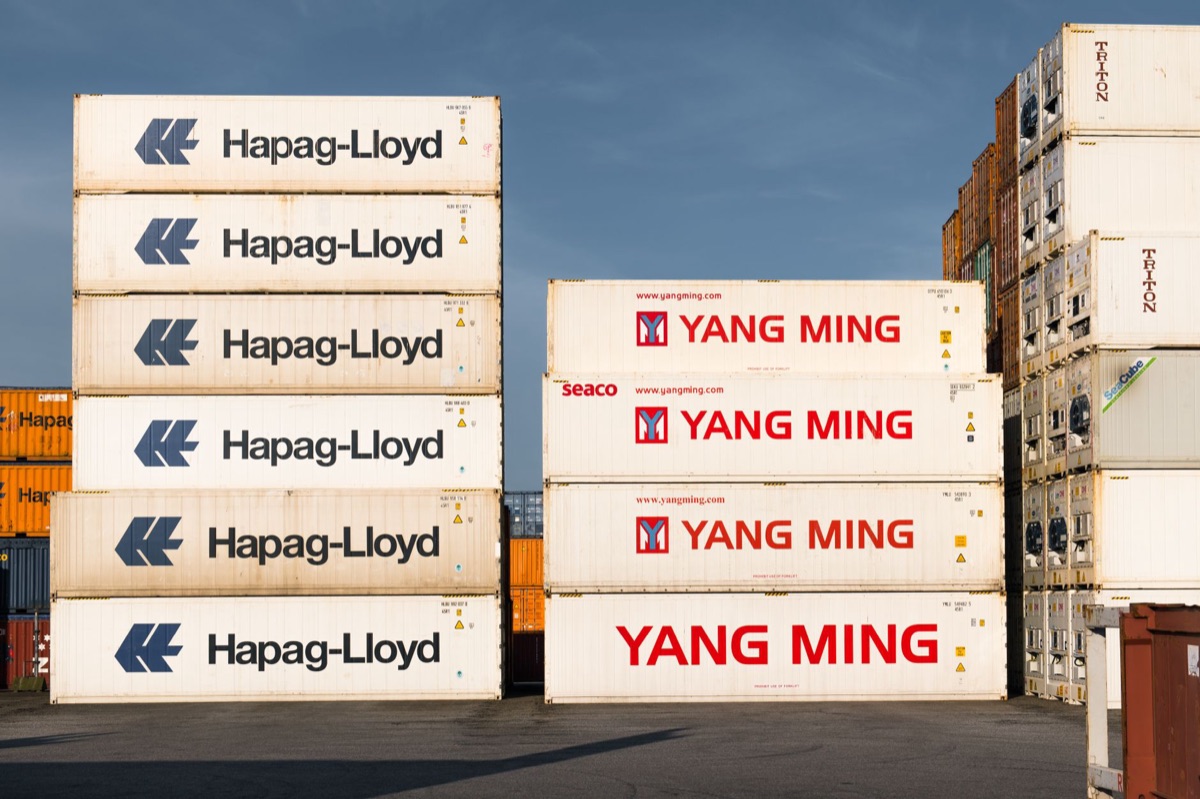
How Does DXB’s Scale Compare to Global Transit Demands?
At dawn, the terminal glass shimmers with a bruised purple light as a massive aircraft crawls toward the gate, vibrating the floor beneath the feet of waiting travelers.
At 5:30 AM, the terminal glass reflects a bruised purple sky as the first wave of wide-body aircraft taxies toward the gates, signaling the start of a high-volume cycle. According to World Bank data, the United Arab Emirates recorded a share of internet users of 100.0% in 2024.
The sheer volume of human movement through Dubai is a benchmark for global aviation.
According to the Dubai Department of Economy and Tourism (DET), the emirate hosted 19.59 million international overnight visitors in 2025, which represented a 5% increase compared to 2024—marking the highest annual total ever recorded.
This massive influx of people requires an infrastructure capable of handling constant, high-density movement.
This growth is not a sudden spike but a sustained trajectory. In 2019, Dubai welcomed 16.73 million international visitors, which was a 5.09% increase over 2018, maintaining its position as one of the world's fastest-growing major tourism markets.
This momentum demonstrates a capacity to scale rapidly to meet global demand.
Beyond just numbers, the economic weight of these travelers is significant. The scale of visitor spending and the sheer density of the passenger load create a unique set of pressures on the airfield and the terminal.
This high-value passenger flow necessitates an airport ecosystem that can handle both mass transit and premium logistics simultaneously.
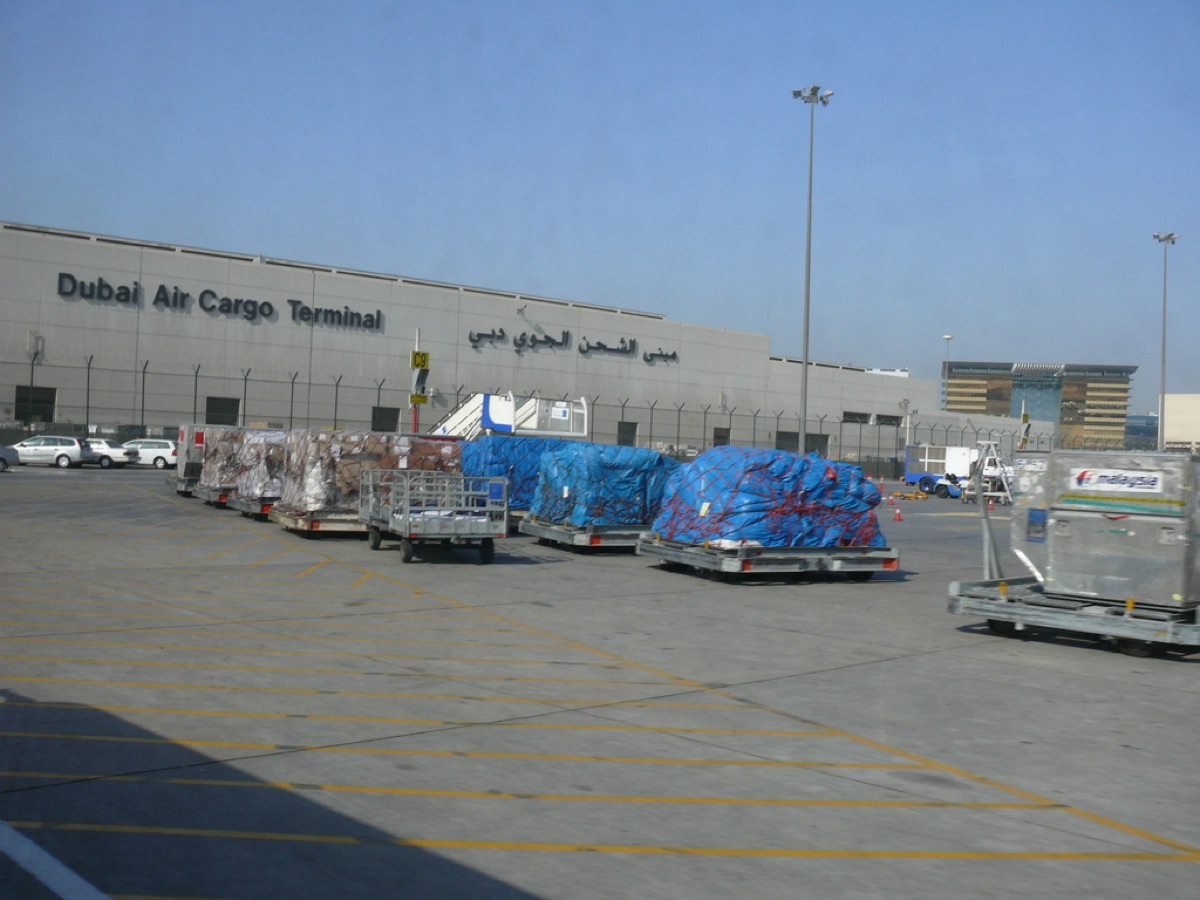
How does DXB drive global trade through cargo? Under the pitch-black midnight sky, a forklift driver grips a cold metal lever to slide a heavy pallet into the belly of a waiting plane.
A forklift driver maneuvers a heavy pallet toward a cargo plane at midnight, the movements timed to the second to ensure no delay in the flight schedule.
While passengers occupy the terminals, the cargo-handling capacity is what makes DXB a global logistics powerhouse. The airport functions as a high-speed transshipment point, where goods are rapidly sorted, processed, and re-routed to different parts of the world.
This capacity allows for the seamless integration of Dubai into global supply chains, particularly for time-sensitive high-value goods.
The efficiency of these operations is driven by the airport's ability to manage high-density throughput. Because DXB serves as a bridge between major global markets, its cargo operations must maintain a high operational tempo to prevent bottlenecks.
This requires sophisticated customs clearance, advanced warehouse management, and a highly skilled workforce capable of managing rapid-turnaround logistics.
The relationship between passenger and cargo movement is symbiotic. The same infrastructure that allows 19.59 million visitors to move through the city also facilitates the movement of goods that fuel the local and regional economy.
This dual-purpose capability is a rarity in global aviation, placing DXB in a unique competitive position. But how do they manage the logistics of such a massive, moving target?
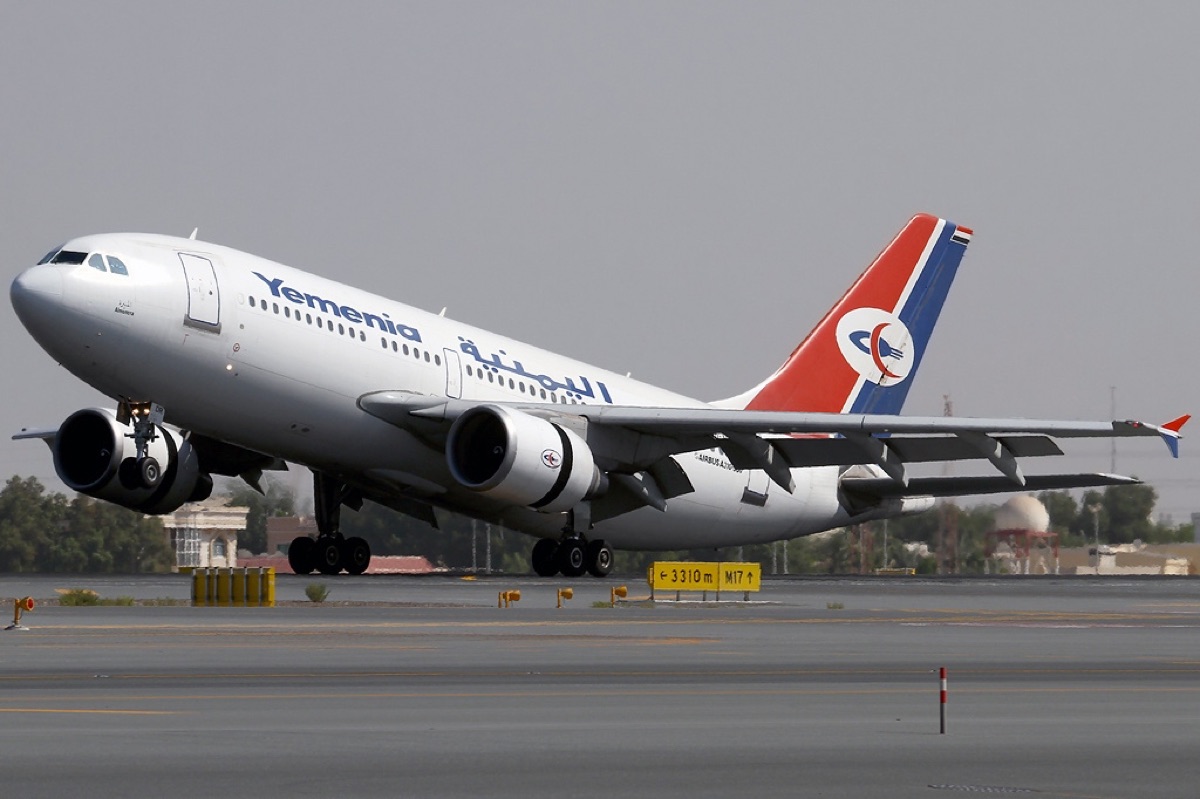
How do flight operations measure global connectivity? The hum of jet engines vibrates through the terminal floor at noon as a flight departs, heading toward a distant continent.
The connectivity of DXB is measured by its flight frequency and the diversity of its carriers. It is not just a destination; it is a junction.
The airport supports a massive variety of airlines, from global flag carriers to specialized cargo operators, all utilizing the hub to reach disparate corners of the globe.
This high operational strength is maintained through rigorous scheduling and infrastructure management. The ability to handle a constant stream of departures and arrivals—often occurring minutes apart—is what allows DXB to function as a true global gateway.
This operational tempo is essential for maintaining its market position, as any disruption would ripple through global trade and travel networks.
The sheer volume of flight operations underpins the airport's status. It is a constant cycle of arrival and departure that keeps the city's economy moving.
This connectivity ensures that whether it is a high-net-worth traveler or a critical shipment of electronics, the transit is handled with standardized, high-speed precision. However, the logistics of the runway are only half the story.
DXB’s Ecosystem: Beyond the Tarmac
A business traveler checks their watch while walking toward a luxury lounge at 2:00 PM, moving seamlessly from a flight to a high-level meeting.
The airport's success is not limited to the runways; it is an integrated ecosystem. The connectivity to ground transport, such as the Dubai Metro and specialized logistics corridors, ensures that the movement of people and goods continues smoothly once they leave the airfield.
This integration is vital for supporting the business services and corporate headquarters that rely on DXB for global access.
The economic impact of this ecosystem is profound. The airport zone acts as a catalyst for wider economic growth, driving investments in hospitality, technology, and logistics-related industries.
This creates a feedback loop where the airport's growth fuels the city's expansion, which in turn increases the demand for the airport's services.
Looking toward the future, the airport remains central to Dubai's vision for global connectivity. As digital and physical trade grows, the infrastructure is designed to evolve, ensuring that the city remains a primary hub for the 21st-century global economy.
When I first walked through the arrivals hall, the sheer scale of the ceiling and the synchronized movement of thousands of people felt less like a building and more like a living organism. It was overwhelming, yet perfectly ordered.
Comparative Advantage: DXB vs. Global Competitors
| Feature | DXB Operational Profile | Competitive Advantage |
|---|---|---|
| Primary Function | High-volume transshipment hub | Rapid East-West connectivity |
| Passenger Scale | 19.59M+ annual visitors (2025) | Massive, high-value market share |
| Logistics Integration | Integrated cargo/passenger flow | High-efficiency turnaround |
| Economic Driver | Multi-sector growth catalyst | Centralized global trade node |
The success of the DXB model lies in its ability to balance two distinct worlds: the high-touch, luxury-driven passenger experience and the high-speed, high-volume requirements of global logistics. While many airports specialize in one, DXB has mastered the intersection of both.
This dual-focus requires a level of operational excellence that is difficult to replicate. The infrastructure must be robust enough to handle heavy cargo loads while remaining sophisticated enough to provide a seamless experience for millions of travelers.
It is this ability to manage complexity at scale that defines DXB's ability to remain a leader in global aviation.
Operational Checklist for Global Transit Hubs
- Strategic Location: Positioned at the crossroads of major flight paths to minimize transit time between hemispheres.
- Multi-Modal Integration: Seamlessly linking airside operations with ground-based logistics and urban transit.
- Scalable Infrastructure: Designing terminals and runways that can accommodate both massive passenger surges and heavy cargo loads.
- Digital and Physical Synergy: Implementing advanced tracking and customs technology to ensure rapid turnaround.
Limitations and Trade-offs
It is important to note that the extreme density and high-speed nature of a hub like DXB can lead to significant operational pressure. The reliance on a single, massive node means that local disruptions can have immediate and widespread effects on global schedules.
Additionally, the focus on high-volume transit requires constant, expensive reinvestment to prevent the infrastructure from becoming a bottleneck.





Comments 0