Pearl Diving Roots: How Dubai Became a Global Trade Hub
"The desert sands and the salt spray of the Gulf created a people who learned to trade survival for prosperity long before the first skyscraper touched the clouds."
Before the glass towers of Downtown Dubai dominated the skyline, the city was a quiet maritime settlement defined by the rhythm of the tides and the search for pearls. Understanding this history reveals why Dubai transformed so rapidly into a global powerhouse.
Key Takeaways
* Early survival depended entirely on maritime industries, specifically pearl diving and fishing. * The transition from subsistence to trade was driven by a strategic geographical location in the Arabian Gulf. * The entrepreneurial spirit developed during the pearl era laid the foundation for modern logistics and free-trade zones. * Cultural values like hospitality and trade-based negotiation remain central to Dubai's identity today.
What was life like in early Dubai? The sun beat down on the wooden dhows as fishermen hauled in their nets, their hands calloused by salt and rope. In these early years, life was dictated by the seasons of the sea rather than the whims of global markets.
Before the discovery of oil, the economy was built on the back of the maritime industry. Pearl diving was the lifeblood of the community, a high-stakes endeavor that required immense courage and physical endurance.
Divers would plunge into the deep, dark waters of the Gulf, often using nothing but a nose clip and a weighted stone to reach the oyster beds.
Fishing provided the daily sustenance, but the pearl trade provided the capital. This industry created a social structure where maritime expertise was the most valuable currency.
While these activities were localized, they established a community of skilled navigators and merchants who understood the complexities of sea trade.
As the community grew, so did the need for connectivity. Even in these formative years, the seeds of organization were being planted, such as the early efforts to establish communication, which eventually led to milestones like the first telephone company in 1959.
This early drive to connect helped transition a small settlement into a functioning town.
The transition from these humble beginnings to a bustling trade center happened faster than anyone could have imagined.

How did the trading nexus rise? Under the midday sun, a merchant wipes sweat from his brow while watching heavy wooden ships dock at the harbor.
A merchant stands in a narrow alleyway, weighing small grains of gold against a heavy brass scale, looking toward the harbor where ships await. This scene was common as Dubai began to pivot from a purely extractive economy to a commercial one.
As the pearl industry faced fluctuations, the community looked toward its geographical advantage. Dubai sat at a natural crossroads of trade routes between the East and the West.
This location allowed the emirate to act as a middleman, moving goods between the interior of the Arabian Peninsula and the maritime routes of the Indian Ocean.
The early trade wasn't just about pearls; it evolved into a sophisticated exchange of commodities. Gold and other precious goods began to flow through the city, establishing its reputation as a secure and efficient trading post.
The Souks—the traditional marketplaces—became the heart of this activity, where negotiations were an art form and relationships were built over tea.
This period marked the shift from a survival-based economy to a growth-based one. The ability to manage complex trade logistics became a specialized skill. This early mastery of commerce is what allowed the city to handle the massive influx of global trade that would define its future.
The leap from these regional markets to a global stage required a massive leap in vision.
From Local Trade to Global Gateway
A massive cargo ship glides past the coastline, its shadow momentarily covering the quiet waters where divers once worked. The scale of change is staggering when looking at the transition from small dhows to mega-vessels.
The shift from local dependency to an international hub was not accidental; it was a deliberate expansion of the maritime identity.
The entrepreneurial vision of local leaders recognized that the skills learned in the pearl trade—logistics, negotiation, and maritime management—could be scaled globally.
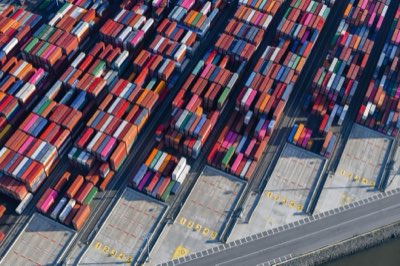
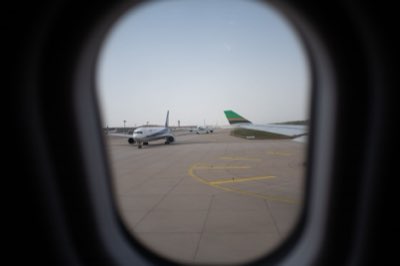
Early small-scale operations laid the groundwork for what would eventually become world-class infrastructure. The need to move goods efficiently led to the development of sophisticated ports and, eventually, one of the world's busiest aviation hubs.
This transition mirrors the evolution from a local fishing village to a global logistics leader.
This vision eventually manifested in the creation of modern Free Zones. These zones, which allow for seamless international business, are the direct descendants of the early trading spirit. They turned a geographical advantage into a permanent, institutionalized global gateway.
The success of these massive systems relies on a foundation that predates any modern technology.
The Enduring Spirit: Bedouin Roots Meet Global Ambition
An elder pours thick, aromatic Arabic coffee from a decorative dallah, the scent of cardamom filling the air as guests gather. This ritual is a bridge between a nomadic past and a high-tech future.
The resilience of Dubai’s modern economy is deeply rooted in its Bedouin and maritime heritage. The ability to thrive in a harsh, unpredictable environment created a culture of adaptability.
This "survive and thrive" mentality is what allowed the city to pivot from pearls to trade, and from trade to global tourism.
Cultural elements like hospitality are not just traditions; they are business assets. The tradition of welcoming travelers and negotiating with respect created a stable environment for international commerce.
Even today, the ritual of Arabic coffee and the etiquette of the Majlis reflect a culture that values relationship-building as much as the transaction itself.
This continuity of spirit is why Dubai remains a leader. While the tools have changed from wooden boats to digital logistics, the core values of trade, hospitality, and ambition remain unchanged.
The journey from the sea to the sky can be summarized through these distinct eras.
Transitioning Through Eras
The evolution of Dubai can be viewed as a steady climb from subsistence to global dominance. According to the Dubai Department of Economy and Tourism (DET), the emirate hosted 19.59 million international overnight visitors in 2025, marking the highest annual total ever recorded.
According to the World Bank, the United Arab Emirates recorded a share of internet users of 100.0% in 2024.
- Subsistence Era: Focused on fishing and basic survival in a desert maritime environment. 2. Specialized Trade Era: The rise of the pearl industry and the establishment of regional trade networks. 3. Global Hub Era: The transition to large-scale international commerce, logistics, and tourism.
This timeline shows that Dubai's current status is not a sudden phenomenon, but the result of centuries of maritime and commercial evolution.
Comments 0